Introduction
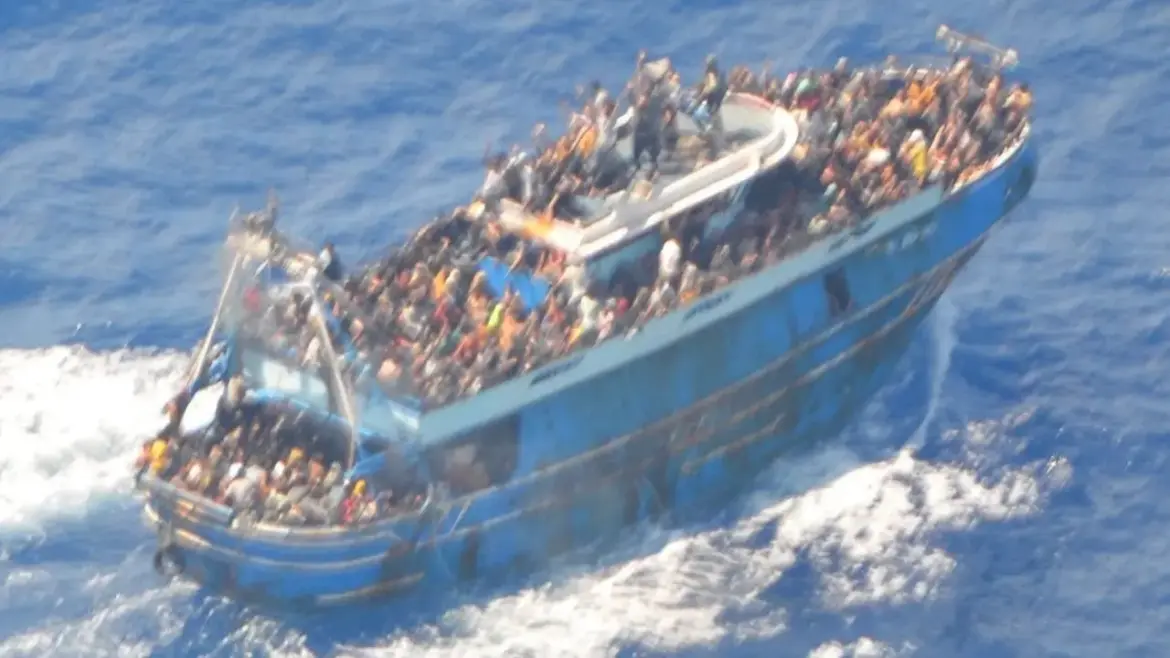
The Channel migrant boat sinking in late 2022 shocked the world, highlighting the perils faced by individuals attempting to cross the English Channel in search of safety and a better life. The tragedy, which resulted in the loss of multiple lives, has spurred an urgent inquiry as part of ongoing discussions surrounding immigration policies and maritime safety. As authorities aim to understand the factors that led to this disaster, the findings could have significant implications for both future policy and the treatment of vulnerable migrants.
Details of the Inquiry
The inquiry, launched by the UK government, is focusing on all aspects that contributed to the sinking of the small, overcrowded boat. Eyewitnesses have testified about the harrowing conditions that the migrants faced, with reports indicating that the vessel was severely overloaded and poorly equipped for the treacherous journey. Furthermore, documents obtained during the inquiry suggest that there were systemic failures in monitoring and patrolling the Channel, which exacerbated the risks encountered by those on board.
Among the key areas of investigation are the response times of search and rescue teams, and whether vital resources were allocated adequately to prevent such tragedies in the region. The testimonies from survivors have not only shed light on the circumstances leading up to the incident but also the desperate measures many took to reach the UK.
Broader Implications
The Channel migrant boat sinking inquiry has wider implications for asylum-seeking processes and the handling of migrant crises. As the inquiry progresses, there are calls for reforms to improve safety measures for those embarking on similar journeys. Advocates for migrant rights have emphasised the importance of offering safe and legal routes for asylum seekers, rather than subjecting them to the dangers of human trafficking and perilous sea crossings.
Moreover, the findings of the inquiry will likely shape future government policies regarding border control and refugee assistance. They may serve as a catalyst for international cooperation, with various European nations being prompted to collaborate on developing comprehensive solutions to manage irregular migration effectively.
Conclusion
The inquiry into the Channel migrant boat sinking reflects a critical juncture in addressing the complexities of migration in the modern era. As authorities dissect the events of that tragic day, the hope is that meaningful change will emerge from this tragedy. Improved safety protocols, greater international cooperation, and more humane immigration policies could significantly alter the landscape for refugees, ultimately leading to a reduction in similar incidents in the future. The outcomes of this inquiry will be closely watched by many, from policymakers to humanitarian advocates, signifying its importance not just for the UK, but for global migration discourse as well.