Introduction
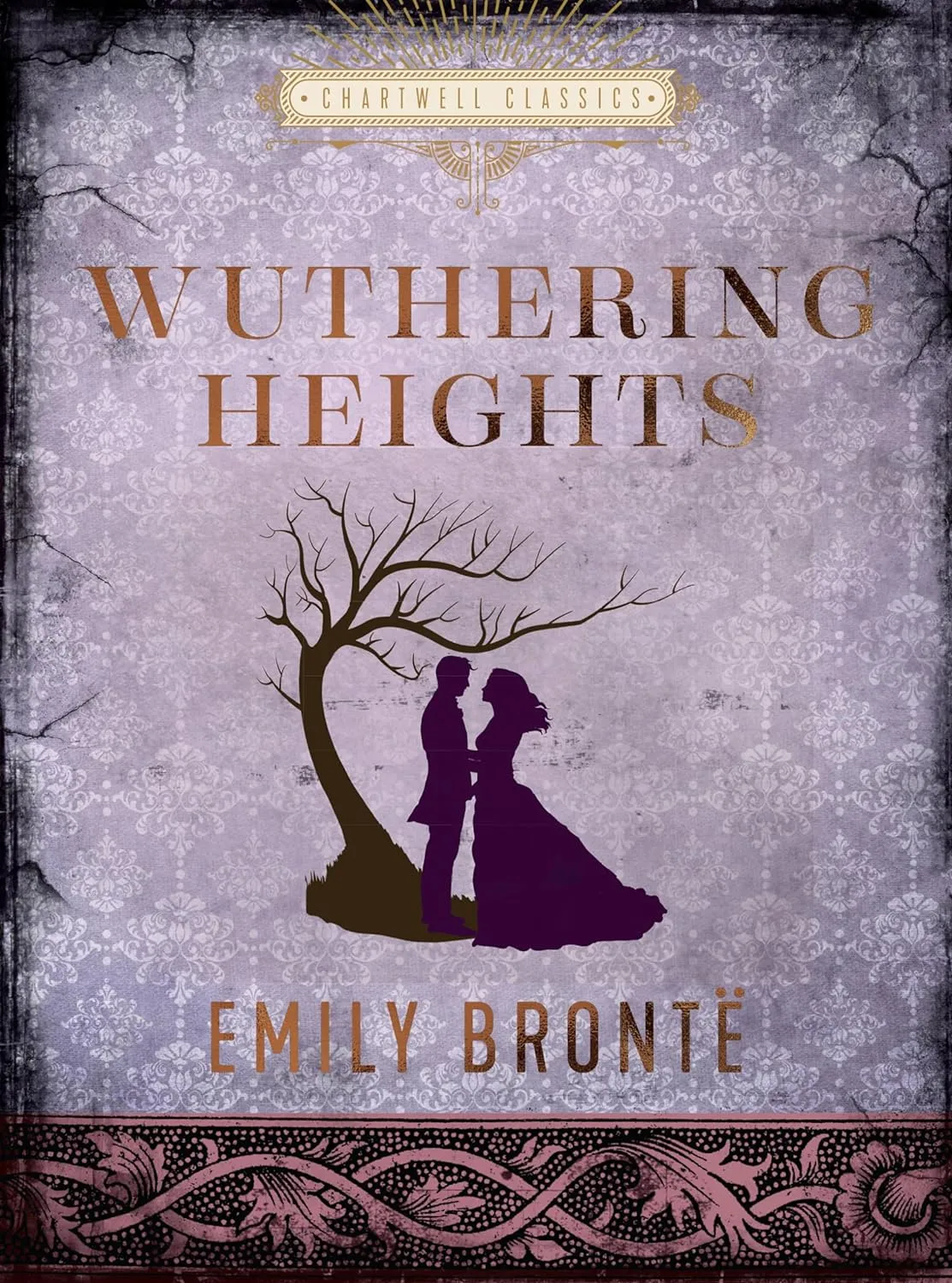
Wuthering Heights, the sole novel by Emily Brontë, is a cornerstone of English literature, first published in 1847 under the pseudonym Ellis Bell. Its intricate exploration of love, revenge, and the supernatural has captivated readers for generations. The novel is particularly relevant today as it raises pertinent questions about passion and the human condition, making it a timeless study.
Plot Overview
Set in the Yorkshire moors, Wuthering Heights tells the tumultuous story of Heathcliff and Catherine Earnshaw. Their intense relationship defies social norms, leading to destruction and tragedy. The narrative is framed through the perspective of Mr. Lockwood, a newcomer to the area, who becomes embroiled in the complex histories of the Earnshaw and Linton families. Through multiple narrators, the tale unfolds in non-linear fashion, heightening its emotional impact and depth.
Themes and Analysis
At the heart of Wuthering Heights are themes of love and revenge. Heathcliff’s obsessive love for Catherine drives him to seek vengeance against those who wronged him, leading to a cycle of suffering that engulfs both himself and others. Furthermore, the novel starkly contrasts the wild, natural setting of the moors with the artificiality of social conventions, suggesting that nature itself is a powerful force influencing human behaviour.
Literary Significance
Wuthering Heights has often been lauded for its innovative structure and passionate characterisation. Critics have noted Brontë’s groundbreaking approach to describing emotions, existential struggle, and elements of Gothic fiction. The novel has inspired countless adaptations, including film, theatre, and even music, reflecting its lasting impact on culture and literature.
Conclusion
In conclusion, Emily Brontë’s Wuthering Heights remains a vital part of literary studies, offering profound insights into love’s duality and the darker aspects of the human psyche. As readers continue to dissect its layered narrative, the novel’s themes resonate even in a modern context, ensuring its relevance for future generations. Engaging with Wuthering Heights invites a deeper understanding of human emotions and relationships, making it a timeless classic worth revisiting.