Introduction to RSV and Its Impact
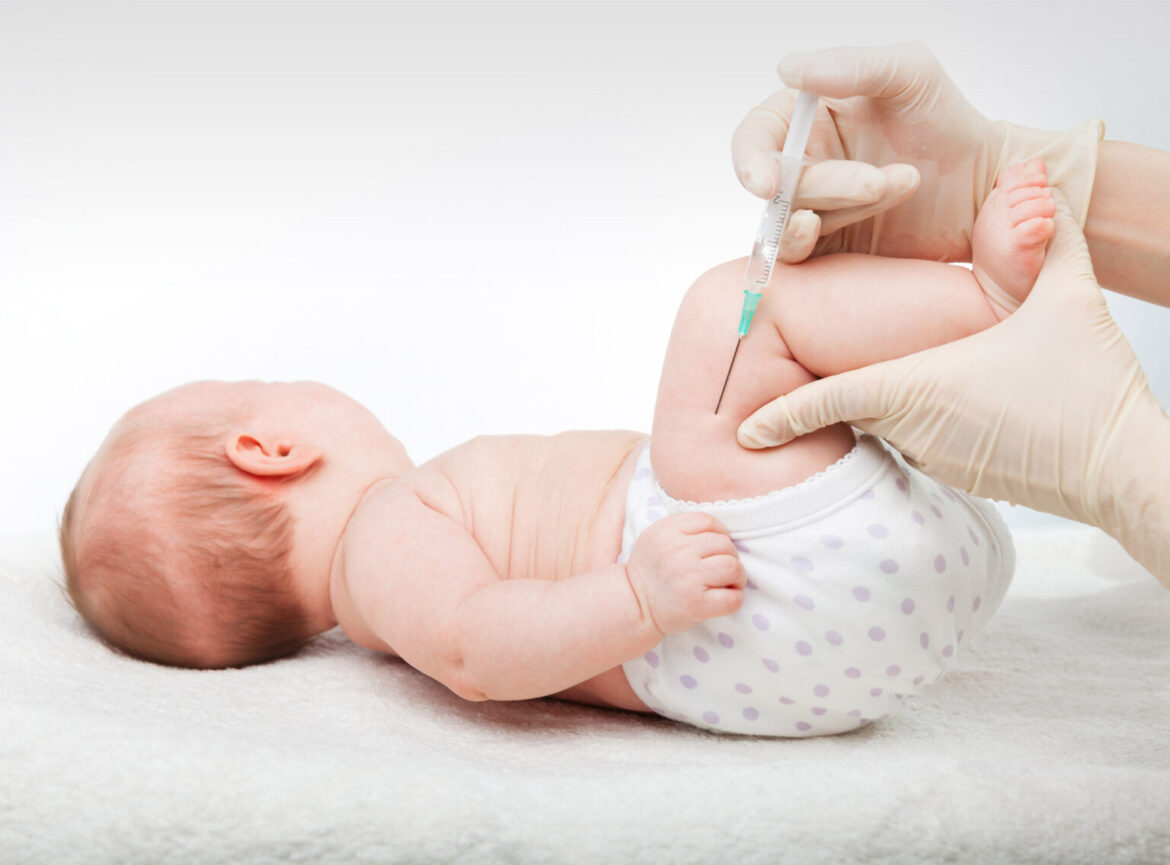
Respiratory Syncytial Virus (RSV) is a common respiratory virus that typically causes mild, cold-like symptoms. However, it can lead to severe respiratory illness, particularly in young children and the elderly. The introduction of an RSV vaccine is crucial, as it promises to reduce hospitalisations and deaths associated with this virus, making it an important focus in public health.
Recent Developments in RSV Vaccine Research
In recent months, there has been substantial progress in the development of RSV vaccines. In October 2023, several pharmaceutical companies reported promising results from their clinical trials. Notably, the vaccine developed by Pfizer demonstrated an impressive efficacy rate in preventing RSV in infants when administered to mothers during pregnancy. Other manufacturers, such as Moderna and GlaxoSmithKline, are also advancing in their research, aiming to provide a comprehensive solution against RSV.
Public health officials have emphasised the importance of a universal RSV vaccine, as it addresses a significant gap in protection for vulnerable populations. Hospital data shows that RSV is a leading cause of pneumonia and bronchiolitis in children under five. Additionally, it poses a serious risk to older adults, often exacerbating underlying health conditions.
Health Implications and Future Expectations
The anticipated rollout of the RSV vaccine is expected to have far-reaching implications. Experts predict a decline in RSV-related hospital admissions, which would alleviate pressure on healthcare systems already burdened by seasonal respiratory illnesses. Additionally, the vaccination of pregnant women can provide passive immunity to newborns, safeguarding them during the critical early months when they are most vulnerable.
Moreover, the vaccine is expected to be included in routine immunisation schedules for children, similar to other vaccines targeting respiratory illnesses. As the vaccine receives regulatory approvals and begins distribution, educational efforts will be vital to inform the public about its benefits.
Conclusion: A Hopeful Future for Respiratory Health
The RSV vaccine represents a significant milestone in the fight against respiratory diseases. It not only promises to protect the most vulnerable populations but also enhances the overall quality of public health. As research continues and the vaccine becomes widely available, the hope is to ultimately reduce the impact of RSV across communities and improve health outcomes for both children and the elderly. The significant investment in vaccine research and development from global health organisations signals a proactive approach to combating RSV-related illnesses in the future.