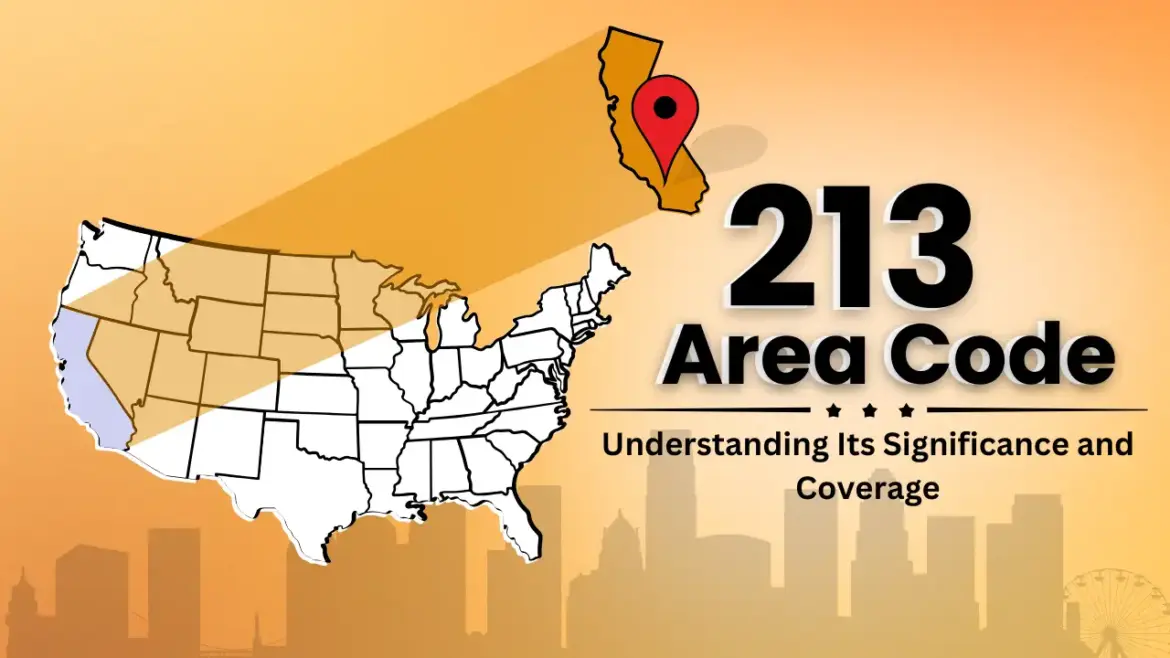
The Importance of Understanding US States
The United States is composed of 50 unique states, each with its distinct geography, culture, and economy. Understanding these variations is crucial for anyone interested in American politics, history, or travel. The differences among states influence everything from legislative policies to local traditions, making them vital for societal understanding.
Diversity of US States
The US states range widely in size, population, and economic output. For instance, California is the most populous state with over 39 million residents and a GDP surpassing that of many countries. In contrast, Wyoming is the least populous, with just over 580,000 residents, showcasing the great demographic disparities that exist across the nation.
Geographical Features
Geography also plays a significant role in defining each state. From the coastal beaches of Florida to the mountainous terrains of Colorado, each state boasts unique landscapes that attract various forms of tourism and agriculture. Seasonal changes vary dramatically as well, affecting local economies and lifestyles.
Cultural Significance
The cultural landscape varies among states. New York is known for its iconic skyline and diverse population, while Texas boasts a rich history of independence and a blend of Mexican and American cultures. Such cultural variances influence local festivals, cuisine, and even the music scene, contributing to the rich tapestry that is the American identity.
Economic Differences
The economy of each state varies significantly. States like New York and California are economic powerhouses driven by technology, finance, and tourism. Meanwhile, states such as Montana and North Dakota rely more on agriculture and energy production. Understanding these economic foundations is essential for comprehending regional employment opportunities and the American job market as a whole.
Conclusion
Each of the US states contributes to the country’s overall identity in its own way, making them significant for a variety of reasons—politically, culturally, and economically. By appreciating the unique attributes of each state, individuals can gain a deeper understanding of the United States as a whole. As demographics continue to shift and state policies evolve, the relevance of knowing about US states will only increase, especially as citizens engage more in local and national issues.