Introduction
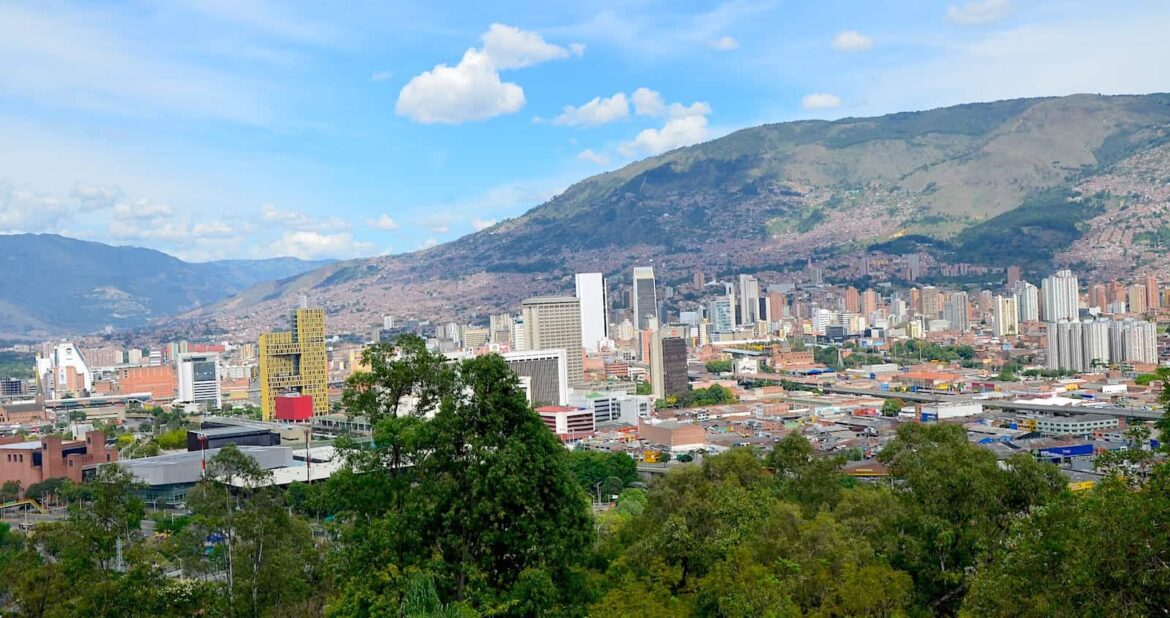
Medellin, the second-largest city in Colombia, has undergone a remarkable transformation over the last couple of decades. Once infamous for crime and violence, it now stands as a beacon of innovation and social change. This shift has heightened interest in Medellin as a travel destination, as well as a case study for urban development, making it increasingly relevant in global discussions about city planning and social equity.
The Transformation of Medellin
The city of Medellin was once synonymous with the notorious drug cartel led by Pablo Escobar in the 1980s and 90s. However, since the end of Escobar’s reign, the city has embraced profound change. Strategies such as the implementation of the “Metrocable,” a cable car system that connects the city’s impoverished hillside communities to the urban centre, have revolutionised daily commutes and access to employment and services. The integration of innovative public transport and infrastructural development has not only bridged the gap between socio-economic classes but has also boosted tourism.
Social Innovation and Education
Medellin has also made significant investments in education and social programs aimed at reducing violence and poverty. Cultural initiatives have been launched, such as the “Evenings of Culture” program, encouraging art, music, and community engagement. Furthermore, the city has been recognised for its real estate developments that include libraries, parks, and public spaces designed to inspire creativity and social interaction. In recognition of these efforts, Medellin was awarded the “Innovative City of the Year” title by the Urban Land Institute in 2013.
Current Events and Future Prospects
As of October 2023, Medellin continues to grow as a hub for innovation and entrepreneurship. The city’s government has been investing in technology startups, fostering a climate that encourages collaboration among businesses, universities, and local communities. The yearly “Medellin Innovation Festival” attracts entrepreneurs, artists, and tech enthusiasts from across the globe, further establishing the city as a relevant player in the international arena. Additionally, the ongoing improvements in public safety have solidified the perception of Medellin as a safe travel destination, promoting research and tourism.
Conclusion
The narrative surrounding Medellin has switched from one of despair to one of hope and inspiration, serving as an exemplar for other cities grappling with similar issues. The city’s proactive stance on social problems, culture promotion, and urban development offers a promising model for sustainable growth. As Medellin continues to evolve, it remains crucial for readers to stay updated on its developments, as they provide insightful lessons on resilience and transformation in urban settings.