Introduction
Bolivia, a landlocked country in the heart of South America, is renowned for its incredible biodiversity, rich cultural heritage, and historical significance. With a variety of ecosystems ranging from high Andean peaks to tropical lowlands, Bolivia is not only an extraordinary destination for adventurers but also a crucial player in the global conversation on environmental issues and cultural preservation.
Rich Cultural Tapestry
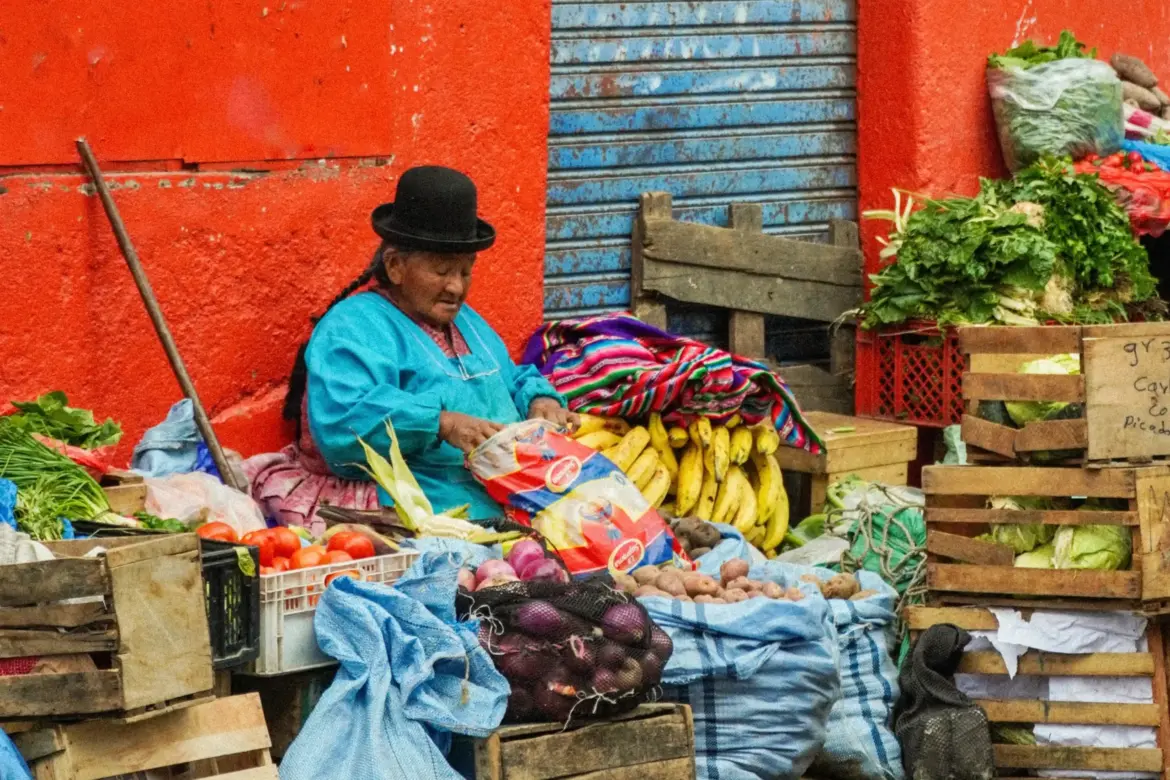
The Bolivian culture is a unique blend of indigenous traditions and Spanish colonial influences. Home to 36 officially recognised indigenous groups, Bolivia boasts a vibrant tapestry of languages, traditions, and art forms. Festivals such as the vibrant Carnival of Oruro, recognised by UNESCO, highlight the country’s deep-rooted traditions. Each region hosts its own distinct celebrations, often rooted in ancestral beliefs that celebrate the connection to Pachamama (Mother Earth).
Stunning Landscapes
Bolivia is famous for its stunning natural landscapes, including the Salar de Uyuni, the world’s largest salt flat, which attracts photographers and tourists alike with its stunning reflective surface after rains. The Amazon rainforest in the northern region teems with wildlife and offers eco-tourism opportunities, while the Andes mountains provide hiking trails and breathtaking scenery. Examples include the challenging trek to La Paz’s Huayna Potosi, rewarding climbers with panoramic views of the snow-capped peaks.
Current Events and Environmental Concerns
In recent months, Bolivia has been making headlines due to its commitment to protection of its natural resources amid growing concerns about deforestation and climate change. As the government discusses legislative measures to curb environmental degradation, activists are calling for stronger protections for Bolivia’s expansive biodiversity. Attention is also being placed on the socio-economic challenges that the pandemic has exacerbated, notably affecting the indigenous communities who rely heavily on tourism and natural resources.
Conclusion
With its rich cultural heritage and spectacular natural beauty, Bolivia remains an important destination for both tourism and environmental advocacy. As Bolivia navigates the challenges of the modern world, maintaining its cultural integrity and environmental resources will be pivotal for the nation’s future. Readers interested in travel, culture, or conservation will find that Bolivia has much to offer both in breathtaking sights and in the continuation of its diverse cultural narratives.