Introduction
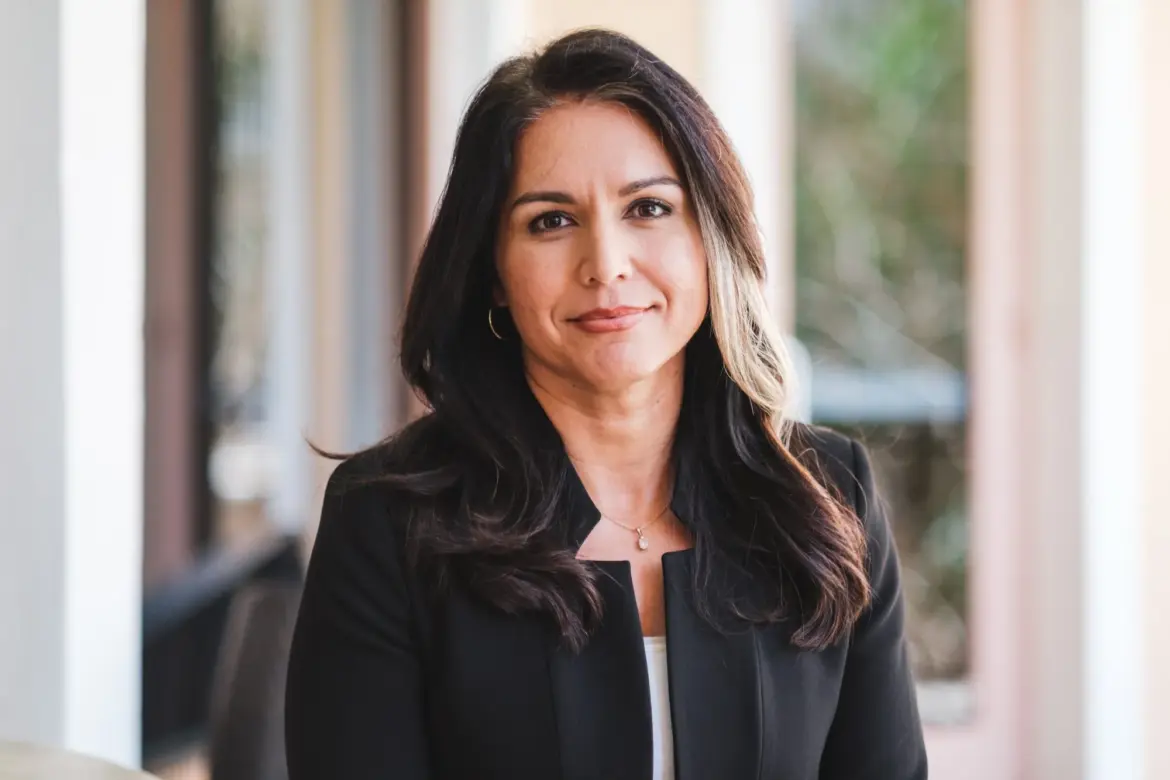
Tulsi Gabbard, a prominent figure in American politics, has emerged as an influential voice on issues ranging from foreign policy to civil liberties. Her unique background as a military veteran, combined with her diverse cultural heritage, has shaped her perspectives and policies throughout her political career. As she continues to engage in activism and public discourse, Gabbard remains a significant character to watch in the evolving landscape of U.S. politics.
A Political Journey
Tulsi Gabbard was born on April 12, 1981, in American Samoa, and she has served as a member of the U.S. House of Representatives for Hawaii’s 2nd Congressional District since 2013. Gabbard’s political career is marked not only by her local governance but also by her distinctive decision to oppose military interventions and advocate for diplomatic solutions. This stance garnered her attention during the 2020 presidential primaries, where she stood out among candidates with her non-interventionist views.
Gabbard’s military service as a Major in the Army National Guard, including a tour in Iraq, has greatly influenced her policy positions. She has been vocal about the need to end endless wars and has pushed for reform in how America engages internationally. Her advocacy for veterans and mental health awareness has also reinforced her image as a representative who understands the challenges faced by service members.
Current Activism and Influence
Despite her decision to leave the Democratic Party in 2022, Gabbard continues to be active in political discussions, focusing on issues like free speech, civil liberties, and public health policies. She has expressed concern over the impact of censorship and government overreach during the COVID-19 pandemic, advocating for individual rights and freedoms. Gabbard has been engaging audiences through social media and podcasts, where she addresses contemporary issues and seeks to foster open dialogue.
Her platform remains appealing to a diverse audience, including libertarians and disillusioned Democrats, as she positions herself against the mainstream narratives often seen in both major parties.
Conclusion
Tulsi Gabbard’s continued engagement in public affairs illustrates her dedication to advocating for her beliefs, despite the polarising nature of contemporary politics. Her journey reflects a growing trend where non-traditional candidates are reshaping political discourse in the United States. As she explores future endeavors, including potential runs for office or broader roles in public policy, her influence is expected to resonate among both supporters and critics alike. Gabbard’s story offers insights not only into her personal convictions but also into the shifting dynamics of American political identity.