Introduction
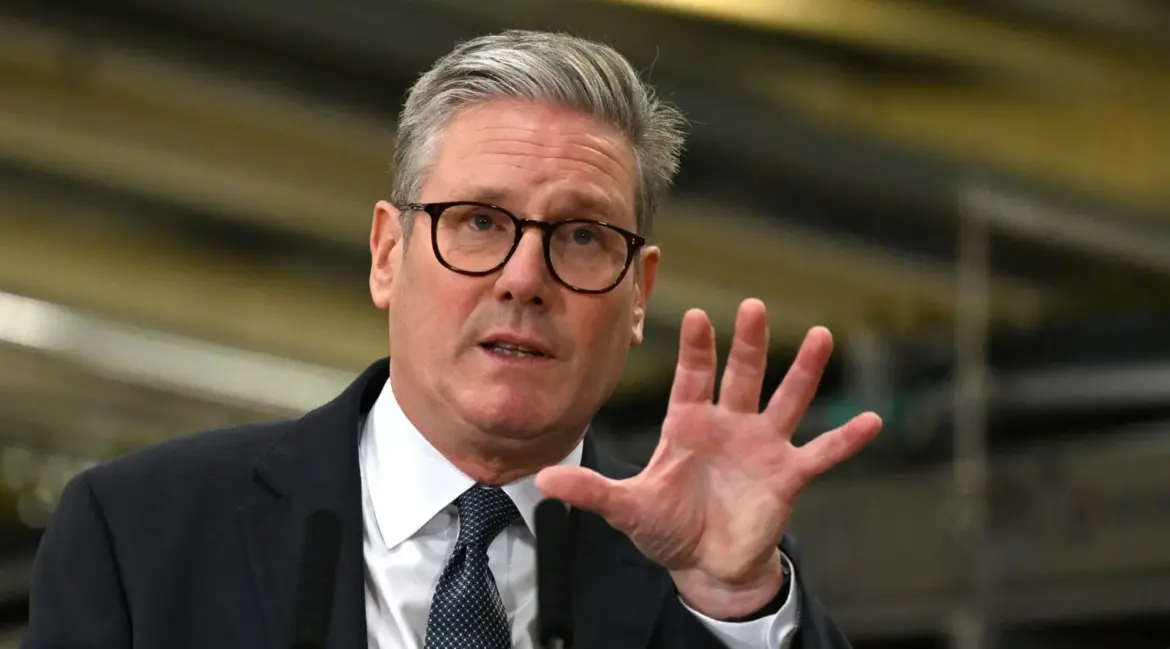
Keir Starmer, the leader of the Labour Party, has emerged as a prominent figure in UK politics since he took over the reins in April 2020. His leadership comes at a crucial time when the nation grapples with pressing issues such as the cost of living crisis, healthcare reforms, and the shifting political dynamics following Brexit. Understanding Starmer’s stance and policies is essential for those keen on the future direction of the UK.
Political Background
Before entering politics, Starmer had a notable career as a barrister and served as the Director of Public Prosecutions from 2008 to 2013. He was elected as the Member of Parliament for Holborn and St Pancras in 2015. His legal background informs his approach to governance, stressing the importance of law and social justice. Starmer succeeded Jeremy Corbyn, whose leadership was characterised by divisive politics and internal party strife.
Current Policies and Initiatives
Starmer has focused on revitalising the Labour Party by promoting a vision of social and economic equity. His key policies include enhancing workers’ rights, addressing climate change, and improving the National Health Service (NHS). Recently, Starmer reiterated his commitment to ensuring that every child has access to quality education and dedicated resources for mental health services.
In 2023, Starmer faced the challenge of connecting with voters who feel disillusioned with traditional politics. In the wake of the last local elections, where Labour made significant gains, he emphasised a more centrist approach, aiming to attract both traditional Labour supporters and voters from other parties.
The Road Ahead
As the UK approaches the general elections expected in 2024, Starmer’s leadership is under intense scrutiny. Analysts suggest that his ability to maintain party unity and clarify his policies will be crucial measures for Labour’s success. Recently, he has increased public engagements and media interactions to bolster his image and connect directly with constituents.
Conclusion
Keir Starmer represents a shift in the leadership approach of the Labour Party, focusing on inclusivity and pragmatism. His journey as a politician is still unfolding, but his knack for strategic thinking positions him as a viable candidate for the next Prime Minister. As he navigates the challenges ahead, his policies and public perception will be pivotal in shaping the Labour Party’s future and, ultimately, the political landscape of the UK.