Introduction
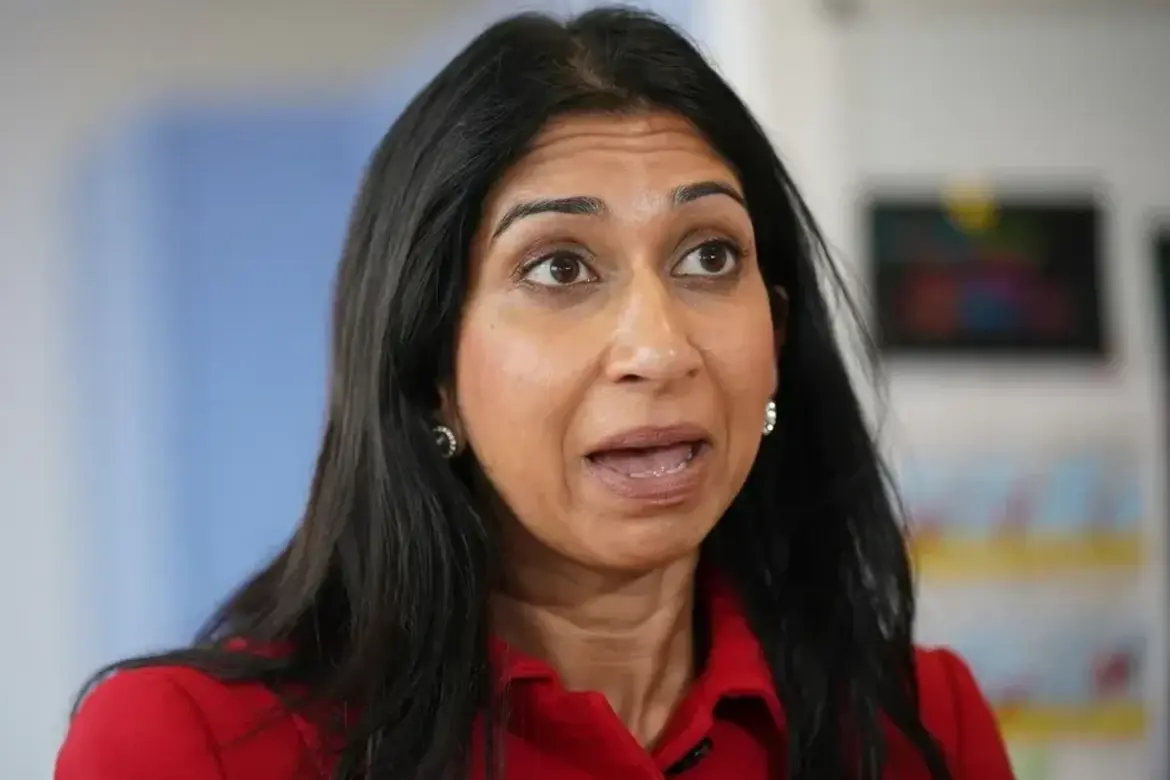
Suella Braverman, the current Home Secretary, has emerged as a significant figure in UK politics, particularly in the context of immigration and law enforcement. Her recent actions and statements have sparked discussions not only within the Conservative Party but also across the political spectrum. As the UK grapples with various challenges related to immigration and national security, understanding Braverman’s role and influence is crucial.
Recent Developments
Since her appointment, Braverman has been vocal about her commitment to addressing illegal migration, particularly through the controversial Rwanda asylum plan. This initiative, aimed at dissuading dangerous channel crossings, has attracted both support and fierce criticism. In October 2023, Braverman reaffirmed her stance during a speech at the Conservative Party Conference, where she outlined plans to further tighten immigration controls, citing the need to ‘take back control’ of UK’s borders against the backdrop of rising asylum applications.
Braverman’s approach has resonated with a portion of the electorate who prioritise border security; however, it has also incited backlash from human rights groups. For instance, the plans involving Rwanda have been challenged in the courts amid concerns over the safety and legality of deportation. The ongoing legal disputes have placed additional pressure on Braverman as she strives to fulfil the government’s pledges on immigration.
Impact on Climate of Political Discourse
Braverman’s assertive rhetoric and policies are indicative of the broader shift within the Conservative Party towards a more hardline stance on immigration. Political analysts note that her influence may steer party policies for the upcoming general elections scheduled for 2024. This shift could alienate moderate voters but may simultaneously energize more right-leaning constituents who favour stringent immigration laws.
Moreover, Braverman’s role as Home Secretary has intersected with discussions on public safety amid rising crime rates in certain urban areas. Her focus on increasing police funding and her advocacy for tougher sentences are aimed at reassuring the public and restoring confidence in the legal system.
Conclusion
As Suella Braverman continues to navigate complex political waters, her influence on UK policies, especially regarding immigration and law enforcement, remains pivotal. While her strategies may galvanise some voters, they have also raised ethical and legal concerns. Observers predict that her actions will play a significant role in shaping the upcoming election narratives and ultimately, the future of the Conservative Party’s policies. For voters and stakeholders, staying informed about Braverman’s decisions will be critical as the UK’s political landscape evolves in the lead-up to 2024.