Background on Current Events
The Iran war has entered its second week, prompting supply disruptions that may send oil prices higher. In this context, Saudi Aramco has been redirecting oil cargoes to Red Sea facilities to avoid the Strait of Hormuz, a critical chokepoint for global oil shipments.
Recent Developments
In a significant development, Saudi Aramco shares climbed as much as 4.9% in Riyadh before closing up 4.1%. This surge coincided with Brent crude prices topping $90 a barrel on Friday, reflecting heightened market tensions.
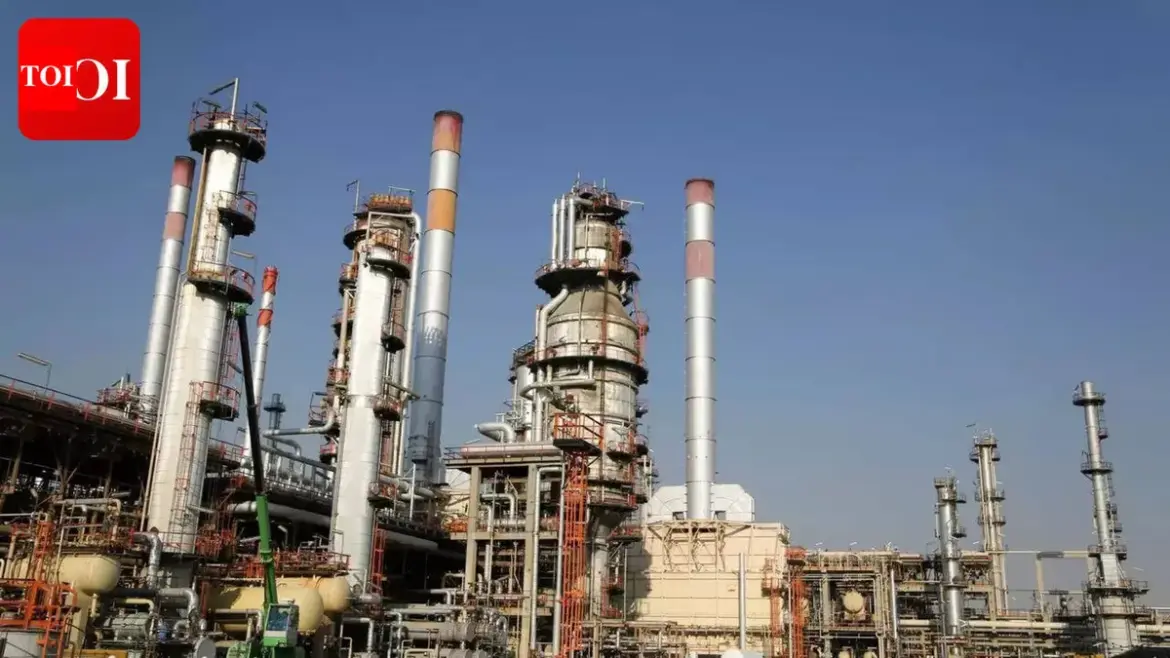
However, the situation escalated when Aramco’s Ras Tanura refinery was forced to halt operations following a drone strike. The strike triggered a small fire that was quickly brought under control, but it raised concerns about the security of oil infrastructure in the region.
Impact of the Drone Strike
Ras Tanura has a processing capacity of about 550,000 barrels of oil per day and its associated port handles roughly 75% of Saudi Arabia’s total oil exports. The drone strike has led to an 8-9% increase in Brent crude prices, highlighting the immediate impact of such attacks on global oil markets.
Junaid Ansari, an analyst, commented, “For Aramco, we believe that the gain in oil prices would offset a decline in exports.” This suggests that despite the operational challenges, Aramco may benefit from rising oil prices.
Reactions and Future Outlook
Iranian officials have characterized their response to attacks as a ‘crushing’ retaliation with ‘no red lines’, indicating a potential escalation in hostilities. Observers are closely monitoring the situation, as the implications for oil supply and prices could be significant.
As the conflict continues, the global oil market remains on edge, with analysts predicting further volatility. Details remain unconfirmed regarding the long-term impacts of the drone strike on Aramco’s operations and overall oil supply in the region.