Reaction from the field
The upcoming launch of Artemis II, set for April 1, 2026, represents a pivotal moment in space exploration, as it will be the first crewed spacecraft to depart for the Moon in 53 years. This mission is not only a technological achievement but also a significant step towards inclusivity in space travel, featuring a four-member international crew that includes the first woman and the first person of color to embark on a lunar trajectory.
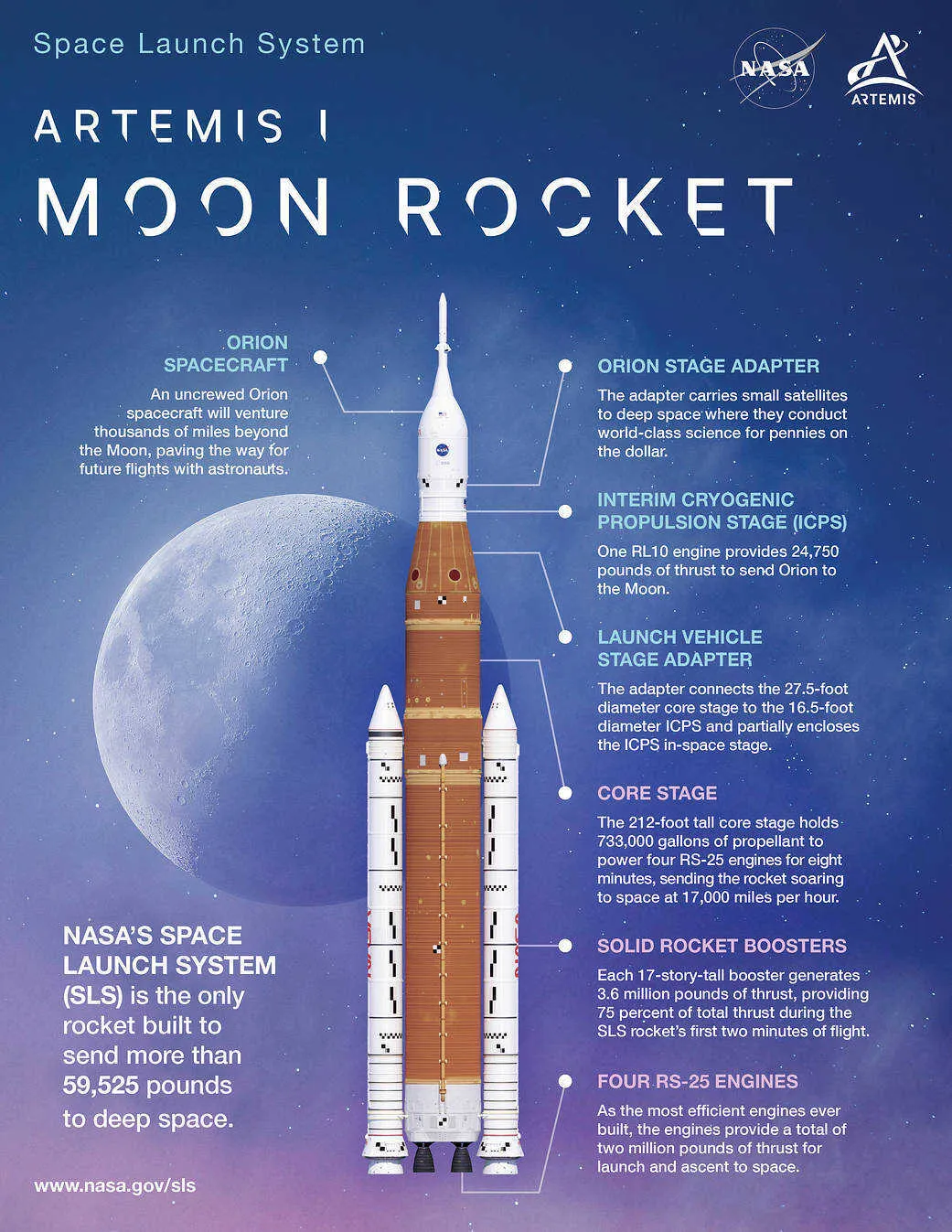
The Artemis II mission, while not landing on the lunar surface, will execute a high-velocity mission around the Moon, lasting approximately 10 days. This ambitious endeavor aims to pave the way for future lunar landings and deeper space exploration. The countdown for the launch officially began on March 30, 2026, with NASA teams currently engaged in critical pre-launch activities, including the liquid oxygen (LOX) topping process for the interim cryogenic propulsion stage.
NASA’s commitment to transparency and public engagement is evident as the launch will be broadcasted across multiple platforms, including NASA+, Amazon Prime, and YouTube. This approach not only democratizes access to space exploration but also inspires a new generation of scientists and engineers. As the launch date approaches, the excitement surrounding the mission is palpable, with ground teams and crew members aligned and ready to proceed towards liftoff.
Historically, the Artemis II mission marks a significant return to crewed lunar exploration, following decades of robotic missions and the last crewed Moon landing in 1972. The Space Launch System (SLS) rocket, which will propel Artemis II, stands at an impressive 32 stories tall, underscoring the scale and ambition of NASA’s Artemis program.
As the countdown continues, NASA has reported that the launch countdown, which started at 4:44 p.m. EDT on March 30, is currently in a built-in hold. This pause allows teams to ensure all systems are functioning optimally before proceeding. The meticulous planning and execution of these pre-launch procedures highlight the complexities involved in modern space missions.
With the Artemis II mission, NASA aims to not only explore our nearest celestial neighbor but also to establish a sustainable human presence on the Moon. This mission is a crucial step towards future endeavors, including potential manned missions to Mars. The international collaboration represented by the Artemis II crew symbolizes a united front in the quest for knowledge and exploration beyond our planet.
As the launch date approaches, uncertainties remain regarding the final preparations and any potential delays that could arise. Details remain unconfirmed, but the enthusiasm surrounding this mission is undeniable. The Artemis II mission promises to be a landmark event in the history of space exploration, setting the stage for a new era of human presence in space.