How it unfolded
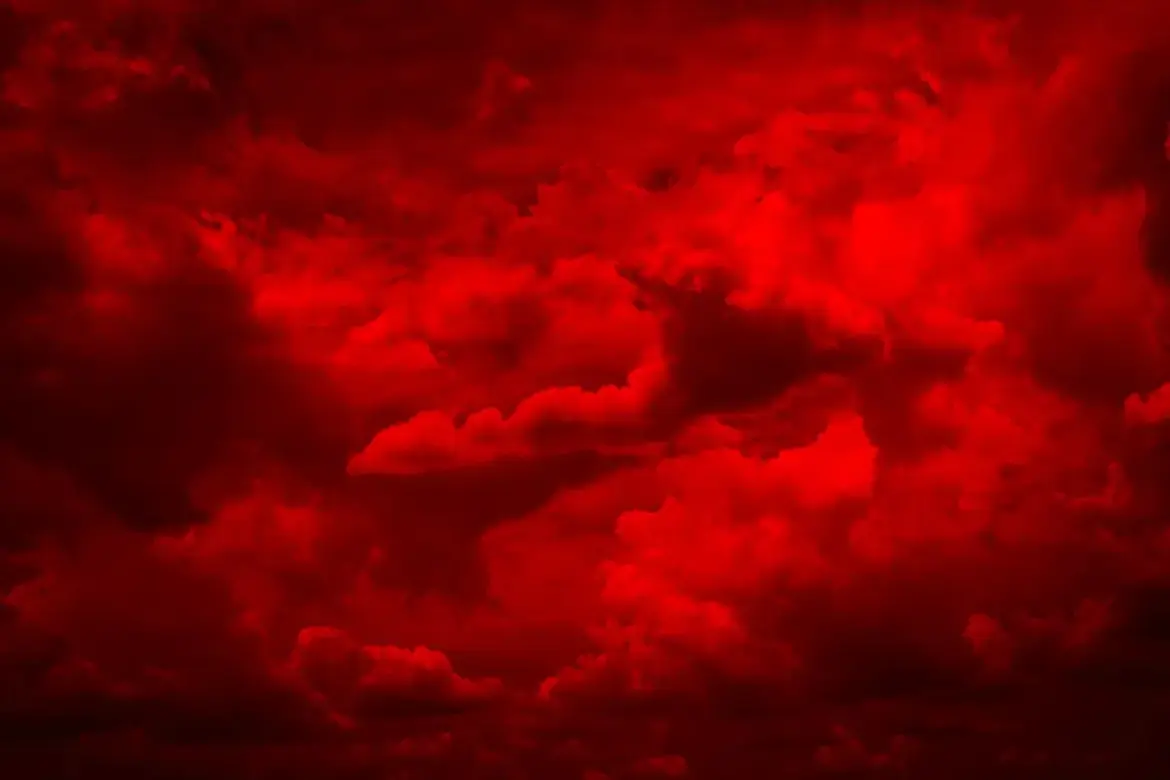
On March 30, 2026, a remarkable meteorological event unfolded across Western Australia, where residents were greeted with an unusual red sky. This phenomenon was attributed to atmospheric dust stirred up by Tropical Cyclone Narelle, which had recently made landfall in multiple Australian states, including Queensland, Northern Territory, and Western Australia.
The cyclone, which formed near the Solomon Islands approximately 2,000 kilometers northeast of Australia, traveled an impressive distance of 5,700 kilometers before reaching the Australian mainland. As it approached, the cyclone’s winds extended 200-260 kilometers from its center, creating conditions that were ripe for dust storms, a rarity during tropical cyclones typically characterized by heavy rainfall.
In the weeks leading up to the cyclone’s arrival, the greater northwest region of Australia had experienced only 10-50 mm of rainfall, which contributed to the dry conditions necessary for the dust storms to develop. The red dust that filled the atmosphere was rich in iron oxide, a characteristic of the red soils found in the Pilbara region. This high concentration of iron oxide is what gave the sky its striking hue, leading to a surreal landscape that caught the attention of many.
Tom Gill, a local observer, remarked, “This is pretty extreme! It’s about the reddest dust levels I’ve ever seen.” His observation reflects the astonishment of many who witnessed the vivid transformation of the sky. Meanwhile, a holiday park owner expressed a more cautious sentiment, stating, “Not a lot of wind yet. Let’s hope we get enough rain to wash it all off. It’s an inside day for us, that’s for sure.” This highlights the mixed feelings of awe and concern among residents as they navigated the unusual weather.
The occurrence of such a phenomenon is relatively rare; NASA noted that it is uncommon for a storm to make landfall in three Australian states and territories simultaneously. This rarity adds a layer of significance to the event, as it not only showcases the power of nature but also the unique climatic conditions of Australia, where tropical cyclones can dramatically affect arid desert climates.
As of now, the aftermath of Tropical Cyclone Narelle continues to unfold, with communities assessing the impact of the cyclone and the unusual atmospheric conditions it created. The red sky serves as a vivid reminder of the complex interactions between weather systems and the environment, illustrating how a single cyclone can lead to extraordinary and unexpected outcomes.
This sequence of events matters significantly for those involved, as it underscores the importance of understanding tropical cyclones and their potential to create unique weather phenomena. The implications extend beyond mere aesthetics; they affect local ecosystems, agriculture, and the daily lives of residents in the impacted areas. As Australia continues to grapple with the challenges posed by climate change, events like these will likely become more frequent, prompting a need for increased awareness and preparedness.