Key moments
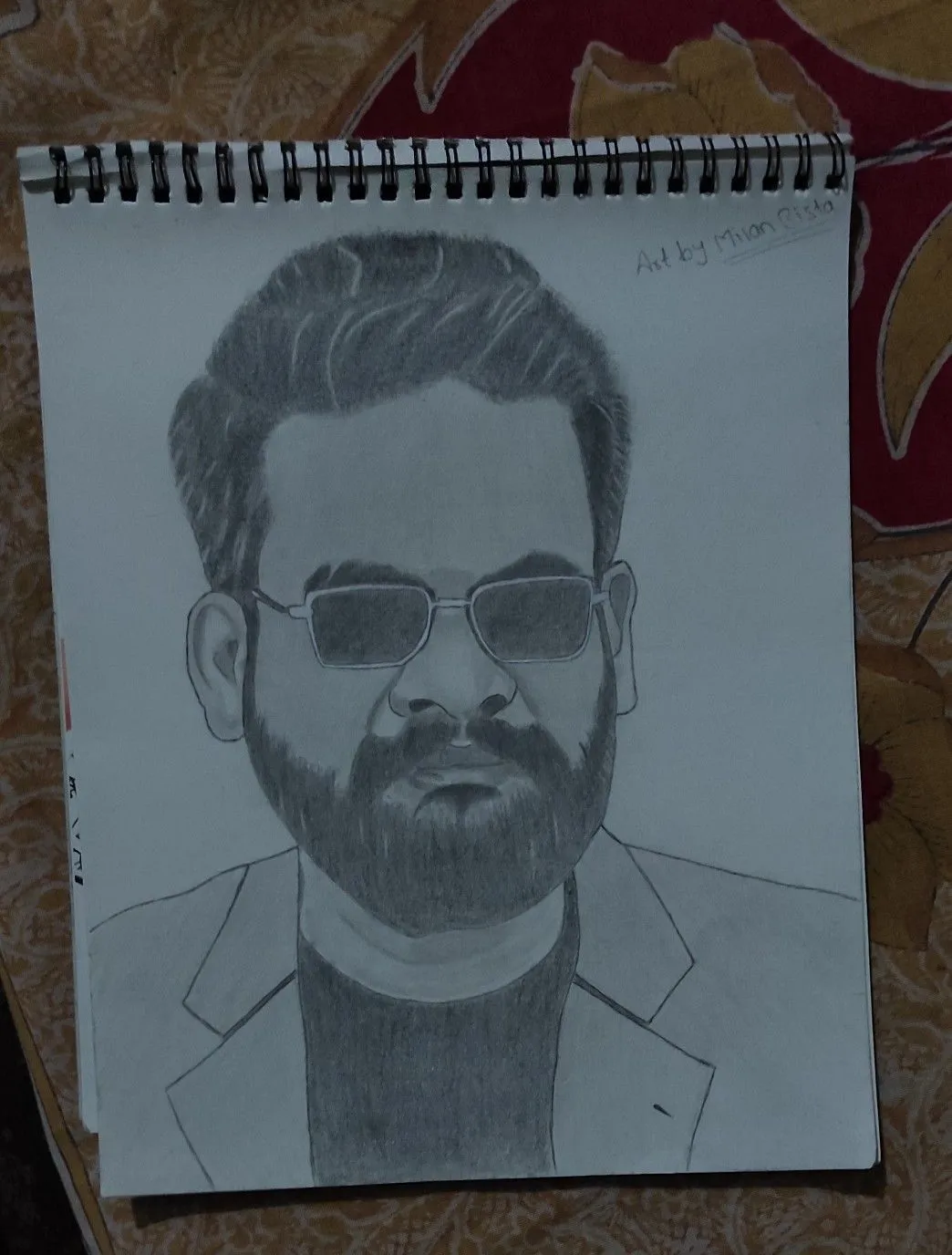
Balen Shah was sworn in as Nepal’s prime minister on March 27, 2026, marking a pivotal moment in the nation’s political landscape. At just 35 years old, Shah becomes the youngest individual to hold this office, representing a significant generational shift in leadership. His ascension follows a remarkable electoral victory for the Rastriya Swatantra Party (RSP), which secured 125 out of 165 first-past-the-post seats in parliament, a feat that underscores the party’s rapid rise since its formation just four years ago.
The immediate circumstances surrounding Shah’s election are rooted in the recent political upheaval that saw the ousting of former Prime Minister KP Sharma Oli. This change was catalyzed by a Gen Z-led uprising in 2025, which emerged in response to a controversial social media ban and widespread concerns regarding corruption within the government. The protests, often referred to as the “September Uprising,” galvanized a younger demographic, leading to a significant shift in voter sentiment and ultimately paving the way for Shah’s election.
Shah’s political journey is notable not only for his age but also for his previous role as the mayor of Kathmandu, where he garnered a reputation for being a progressive leader. His party’s overwhelming mandate has been described as a historical and unprecedented opportunity, with political analysts like Bishnu Sapkota noting, “There is so much excitement with the heavy mandate. This is a historical and unprecedented opportunity for him to execute his agenda because his party is likely to have close to a two-thirds majority.” This majority positions Shah to potentially implement significant reforms.
However, the political landscape remains complex. Shah’s relationship with Rabi Lamichhane, the chairman of the RSP, will be closely scrutinized as they navigate the dual power centers within the party. Political commentator Gehendra Lal Malla remarked, “Balen needed a party to contest the election, and Rabi needed Balen’s popularity,” highlighting the interdependence that characterizes their partnership. As they move forward, the dynamics of their collaboration will be critical in shaping the government’s direction.
Amidst this backdrop, Shah’s administration has pledged to prioritize anticorruption measures, including investigations into the wealth of senior officials. This commitment is particularly significant given the context of the protests that brought him to power. The Karki Commission has been established to investigate the killings and property damage that occurred during the Gen Z movement, reflecting the administration’s acknowledgment of the need for accountability and reform.
As Shah embarks on his tenure, he faces the challenge of addressing governance issues while meeting the high expectations of voters who propelled him into office. The political environment is charged, with observers noting that the RSP’s large majority may weaken parliamentary opposition, leading to a situation where public dissent could manifest on the streets. Yujan Rajbhandari, a political analyst, stated, “With the RSP’s large majority, parliamentary opposition will be weak. So the streets will play a major role as opposition,” indicating that civil society may remain a vital force in holding the government accountable.
Internationally, Shah’s election has garnered attention, with Indian Prime Minister Narendra Modi extending congratulations following the election results. This gesture underscores the importance of Nepal’s political developments in the broader regional context, particularly in relation to India, which shares deep historical and cultural ties with Nepal.
As the new government enters its honeymoon period, which is expected to last for 100 days, the focus will be on how effectively Shah can translate the enthusiasm of his electoral victory into tangible policy changes. The coming weeks will be crucial in determining whether Shah can maintain the momentum of the Gen Z uprising and fulfill the promises made to the electorate, as the nation watches closely to see how this young leader navigates the complexities of governance in a rapidly changing political landscape.