Introduction
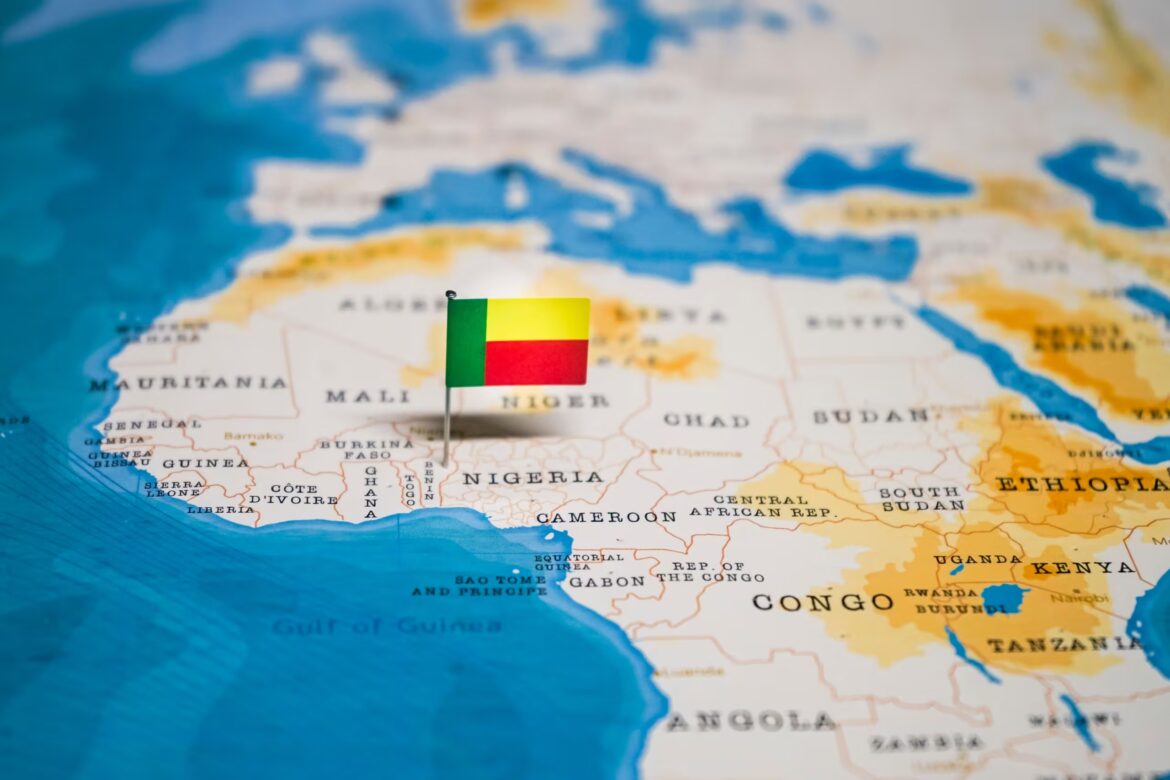
Benin, located in West Africa, is a nation rich in cultural heritage and natural beauty. Known for its historical significance as the centre of the Dahomey Kingdom, Benin has become increasingly important on the global stage due to its growing economy and political stability. Understanding Benin’s current status is crucial for investors, tourists, and anyone interested in the dynamics of contemporary Africa.
Historical Context
The Republic of Benin gained independence from France in 1960 and has since navigated a myriad of political transitions, including periods of military rule and democratic reforms. Today, democracy is firmly established, and the country has made considerable strides in promoting good governance.
Economic Developments
In recent years, Benin’s economy has shown a positive trajectory, with the World Bank projecting a growth rate of 6% for 2023. Key sectors contributing to this growth include agriculture, trade, and services. The agricultural sector remains pivotal, providing employment for about 70% of the population. Recent governmental initiatives aimed at improving infrastructure and trade policies have facilitated economic expansion.
Social and Cultural Aspects
Benin is renowned for its vibrant cultural heritage, illustrated by its diverse music, dance, and festivities. The country is also acknowledged as the birthplace of Vodun (or Voodoo), which plays a significant role in the lives of many Beninese people. This rich tapestry of culture draws tourists who are eager to explore the historical significance and traditional practices that define Benin.
Future Outlook
Looking ahead, Benin has the potential to enhance its position as a key player in the regional economy of West Africa. Foreign investment, particularly in the infrastructure sector, is expected to continue growing, leading to improved living standards and increased job opportunities. However, challenges such as poverty and environmental sustainability remain pressing issues that require ongoing attention from policymakers.
Conclusion
Benin is a nation on the rise, blending a rich cultural past with modern economic initiatives. As the country progresses, it is essential for stakeholders to remain informed about developments in Benin, as its growth could present valuable opportunities. In an increasingly interconnected world, understanding Benin’s role will provide insights into the broader trends shaping West Africa and beyond.