The US-Iran war has resulted in a physical chokepoint, taking offline part of the supply of oil and gas due to the closure of the Strait of Hormuz. This critical waterway is responsible for about 20% of global oil and liquefied natural gas flows, making its accessibility vital for energy markets worldwide.
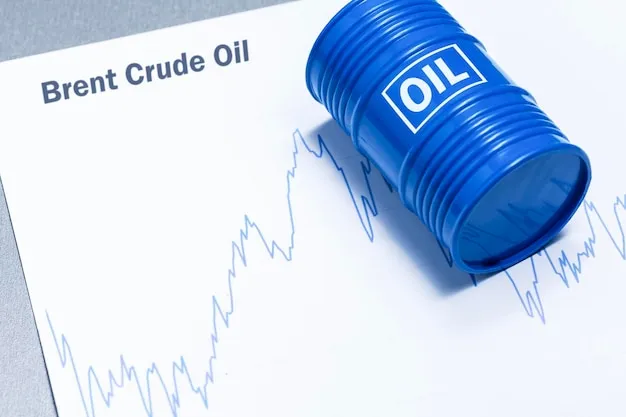
In a dramatic turn of events, Brent crude futures slumped 14.43% to hit an intraday low of $96 per barrel, while West Texas Intermediate (WTI) crude futures tanked 14.25% to reach an intraday low of $84.23 per barrel. This plunge comes on the heels of President Donald Trump’s announcement that the US would halt military strikes on Iranian power plants and energy infrastructure.
Trump stated, “I am pleased to report that the United States of America and the country of Iran have had, over the last two days, very good and productive conversations regarding a complete and total resolution of our hostilities in the Middle East.” He further indicated that military actions would be postponed for five days, contingent upon the success of ongoing discussions.
Despite the temporary reprieve, the International Energy Agency (IEA) has assessed that the current episode represents the largest supply disruption in the history of the global oil market. Flows through the Strait of Hormuz have collapsed from 20 million barrels per day to a trickle, exacerbating fears of a prolonged conflict.
Saudi Arabia has forecasted that if the war continues beyond April, oil prices could skyrocket to $180 per barrel. Similarly, Qatar’s Energy Minister warned that Brent could reach $150 if disruptions persist.
The war has already damaged major energy facilities in the Gulf and nearly halted shipping through the Strait of Hormuz. Observers note that the longer the conflict continues and the free transit through the strait remains disrupted, the longer oil and gas prices will remain elevated.
As the situation develops, the US has been actively trying to reopen the Strait of Hormuz for energy shipments, but uncertainties remain regarding the stability of the region.
With Brent crude prices up around 46% so far this month, the volatility in the market is palpable. The implications of these developments will likely reverberate through the global economy, affecting everything from consumer prices to energy policy decisions.
Details remain unconfirmed as stakeholders await further updates from the ongoing negotiations and military assessments in the region.