Introduction
The excitement in the world of motorsport is ramping up as the iconic American automotive brand, Cadillac, announces its plans to enter Formula 1 racing by 2026. This move signals not only a significant investment in the high-octane world of F1 but also reflects the brand’s ambition to revive its presence in competitive racing—a domain it historically influenced in the early 20th century. With the introduction of new regulations aimed at enhancing the sport’s sustainability, Cadillac’s venture into F1 is timely and poised for relevance in modern motorsport.
Details of Cadillac’s Entry
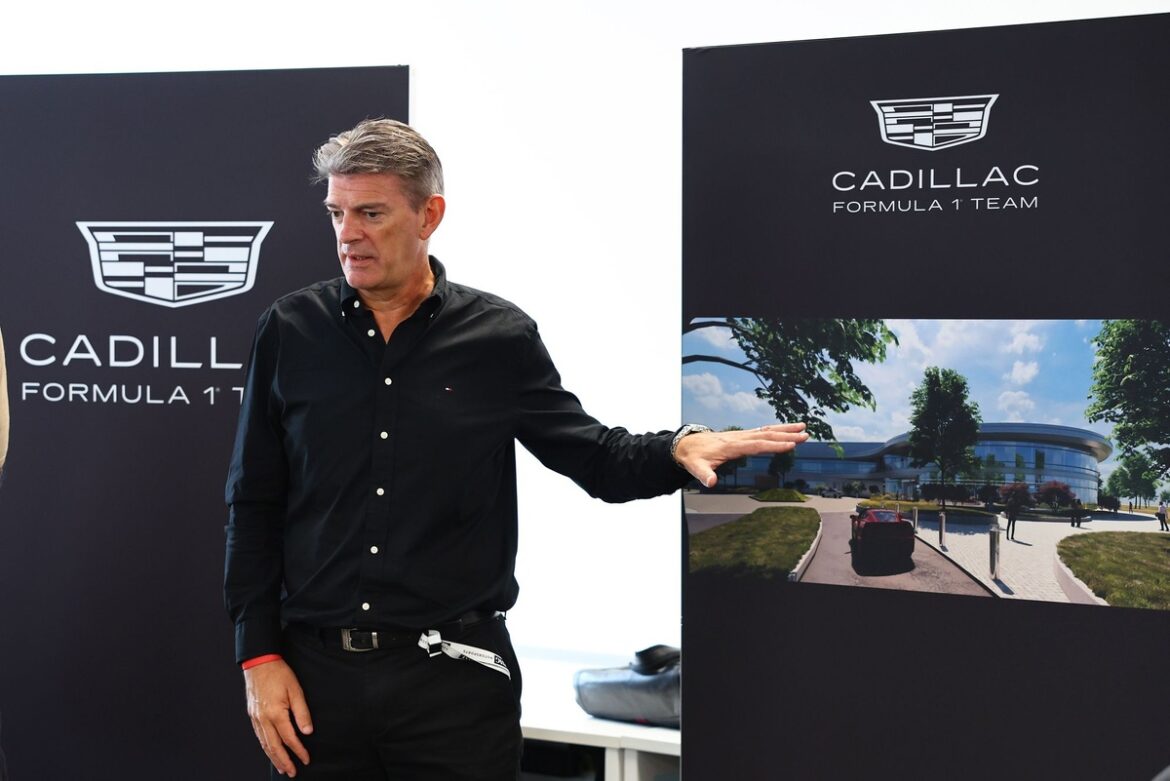
General Motors, Cadillac’s parent company, unveiled its intentions in a recent press conference. The new F1 regulations mandate power units that significantly reduce carbon emissions, and GM’s Ultium battery technology may play a pivotal role in their F1 strategy. The team intends to collaborate with existing F1 entities and has already initiated dialogues about potential partnerships with well-established racing teams to facilitate their entry.
Cadillac’s venture isn’t just about building a racing team; it comes in alignment with global motorsport trends emphasising eco-friendliness and innovation. The 2026 regulations are expected to focus on hybrid engines and sustainable fuel sources, providing an ideal platform for Cadillac to showcase its cutting-edge technology. Industry experts believe that this could also resurrect the competitive spirit that American brands once had in the sport, fostering a competitive atmosphere alongside traditional European teams.
Reactions and Significance
The announcement has elicited a wave of enthusiasm among fans and experts alike, raising discussions about what Cadillac brings to F1. Analysts speculate that Cadillac’s involvement will not only enhance the visibility of their brand among younger consumers but will also inject fresh competitiveness into the sport, previously dominated by teams with deep historical roots in racing.
In the wider context of American motorsports, Cadillac’s entry into F1 could catalyse a surge in interest and investment in the U.S. racing scene. This move may encourage other American manufacturers to consider F1, potentially breaking the long-standing dominance of European car makers.
Conclusion
In conclusion, Cadillac’s entrance into the Formula 1 circuit signals an exciting new chapter for both the brand and the motorsport. As the world moves towards a greener future, Cadillac’s implementation of advanced technology in conjunction with F1’s evolving regulations might not only attract new enthusiasts but also reshape the competitive landscape of racing in the years to come. Fans and stakeholders will be keenly watching how Cadillac navigates this complex terrain leading up to their anticipated debut in 2026.