Introduction
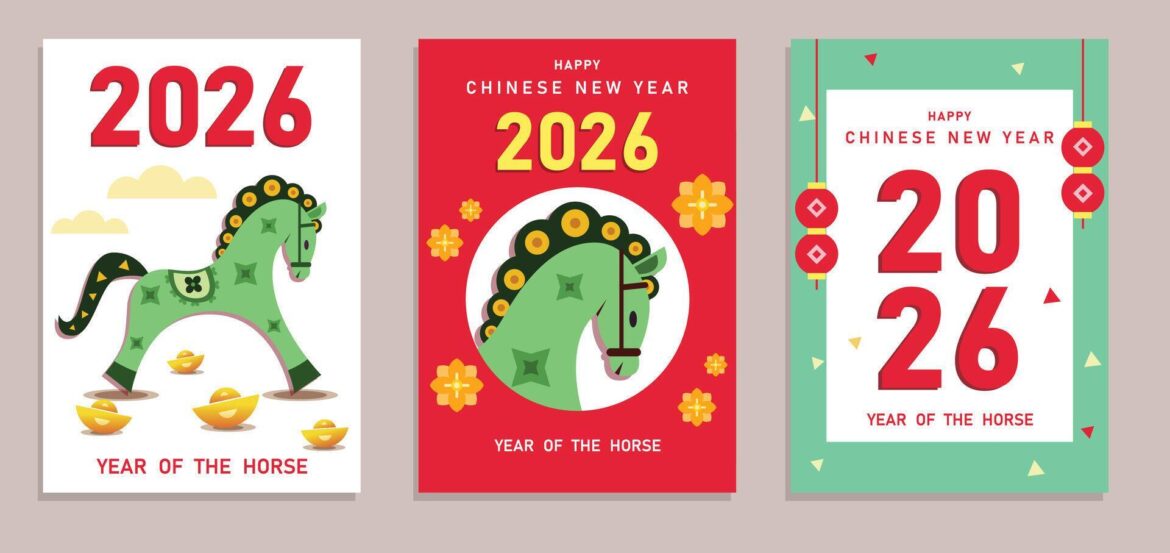
Chinese New Year, also known as the Spring Festival, is one of the most important celebrations in Chinese culture. It marks the beginning of the lunar new year and is a time filled with various traditions, family reunions, and festivities. The year 2026 will be particularly significant as it will usher in the Year of the Horse, a symbol of strength and freedom in Chinese culture. Understanding the relevance of this festival in 2026 can offer insights into its cultural impact and the rich traditions that accompany it.
Significance of 2026 and the Year of the Horse
Chinese New Year 2026 will commence on February 17, 2026. Each year in the Chinese zodiac is associated with an animal and the Horse is celebrated for its positive traits such as confidence, energy, and enthusiasm. The Horse is known for its ability to inspire others, making this an auspicious year for various ventures. Businesses and individuals alike may feel motivated to embark on new projects, drawing on the horse’s spirited qualities.
Traditional Celebrations
Chinese New Year is rich with customs that have been passed down through generations. Preparations often start weeks in advance. Families clean their homes thoroughly to sweep away any bad luck and make way for good fortune in the new year. Decorations, typically in red—a colour symbolising luck—are hung around homes, and traditional foods are prepared in abundance, with dumplings often taking centre stage as they are believed to bring prosperity.
The lunar new year is also a time for reunion dinners, where family members gather to enjoy meals together, reinforcing family bonds. The festival typically includes firework displays and the iconic dragon and lion dances, which are performed to scare away evil spirits and bring good luck.
Global Impact and Observance
Chinese New Year is not just celebrated in China but across the globe wherever there is a Chinese diaspora. Cities such as London, San Francisco, and Sydney host vibrant parades and communal events, showcasing the cultural richness of this festival. In 2026, global celebrations are expected to return in full swing following the easing of pandemic restrictions, allowing communities to participate in person and restore traditions of togetherness and joy.
Conclusion
The Chinese New Year in 2026, marked by the Year of the Horse, is anticipated to be a vibrant and meaningful celebration for communities worldwide. The traditions observed during this festival are not only vital for cultural preservation, but they also promote unity and hope for the future. As the world continues to acknowledge the importance of preserving cultural identities, Chinese New Year provides a bright reminder of the significance of heritage, family, and joy in the human experience.