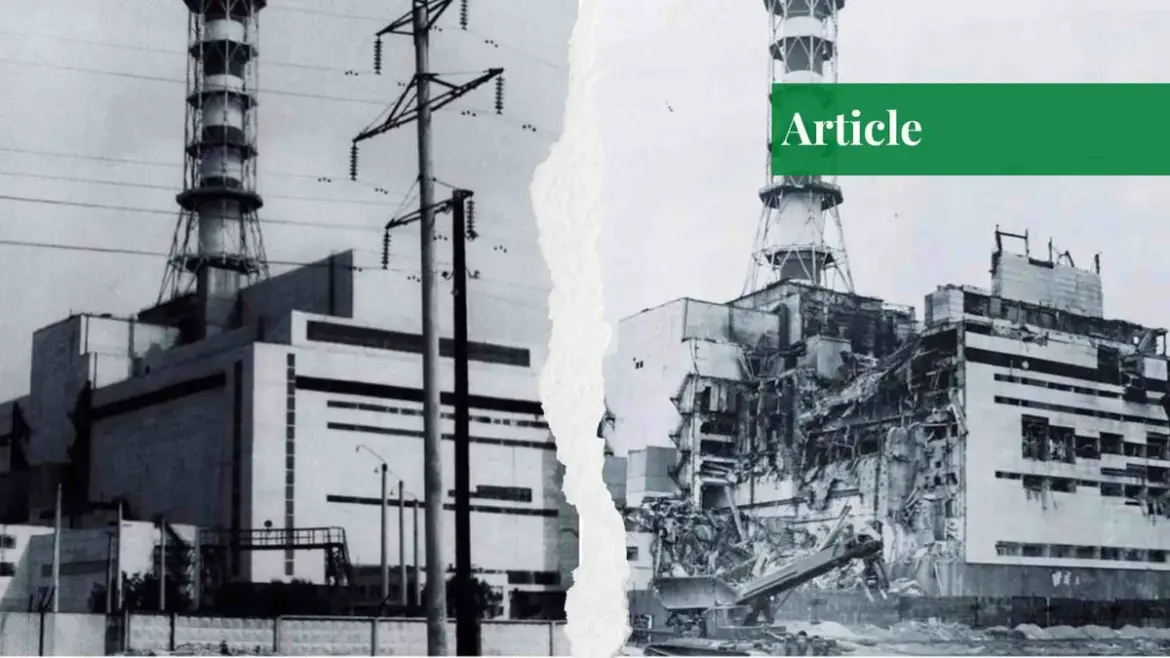
Chernobyl: The Lasting Impact of a Nuclear Catastrophe
The Chernobyl disaster, which occurred in 1986, is considered one of the worst nuclear disasters in history. The ramifications of this catastrophic event continue to resonate, particularly in the life of Oksana Masters, who was born with several birth defects linked to radiation exposure from her birth mother’s proximity to Chernobyl. Masters was born with six toes, webbed hands, and missing several organs, including one kidney.
Adopted by a professor at the University at Buffalo in New York, Masters faced significant health challenges early in life. By the age of 10, she became a double amputee after surgery to remove her impaired left leg. Despite these obstacles, she has emerged as a prominent athlete, winning her first Paralympic medal, a bronze, in adaptive rowing in 2012 and later securing gold medals in cross-country skiing at the 2018 Winter Paralympics in PyeongChang, South Korea.
Reflecting on her experiences, Masters stated, “They linked it to Chernobyl because I was really not that far from there, and the fact that radiation levels continued to rise years after the explosion.” She further emphasized her perspective on her circumstances, saying, “I don’t want to say I was a product of it [the Chernobyl disaster] but, out of something horrific, it’s about how you can see the potential and possibilities – like becoming an athlete – instead of dwelling on it.” Her story illustrates the complex interplay between personal resilience and the broader implications of a nuclear disaster.
The Chernobyl disaster not only affected individuals like Masters but also had profound implications for nuclear policy worldwide. In comparison, the Fukushima disaster, which occurred on March 11, 2011, was triggered by a 9.0 magnitude earthquake and tsunami, leading to the meltdown and explosion of three reactors at the Fukushima Daiichi nuclear power plant. The total cost of the Fukushima accident reached $119 billion, encompassing dismantlement and compensation efforts.
The Japanese government took significant steps following the Fukushima disaster, nationalizing Tokyo Electric Power Company (TEPCO) in 2012 to address reparations and safety concerns. This move highlighted the ongoing challenges and lessons learned from nuclear incidents. As Tatsujiro Suzuki, a prominent energy expert, noted, “Japan has to learn from the lessons of Fukushima and gradually reduce its dependency on this energy.”
As the world reflects on the legacy of Chernobyl and Fukushima, the nuclear exclusion zone around Fukushima, covering an area of 444 square miles, serves as a stark reminder of the potential dangers associated with nuclear energy. Before the Fukushima disaster, Japan had 54 nuclear reactors, which supplied approximately 30% of the country’s energy. The events at both Chernobyl and Fukushima have sparked ongoing debates about the safety and sustainability of nuclear power.
While the immediate impacts of the Chernobyl disaster are well-documented, the long-term effects on health and the environment continue to be studied. Observers remain vigilant regarding the implications of nuclear energy and the lessons that can be drawn from past disasters. Details remain unconfirmed about the full extent of these impacts, but the stories of individuals like Oksana Masters serve as poignant reminders of the human cost of such tragedies.