Introduction
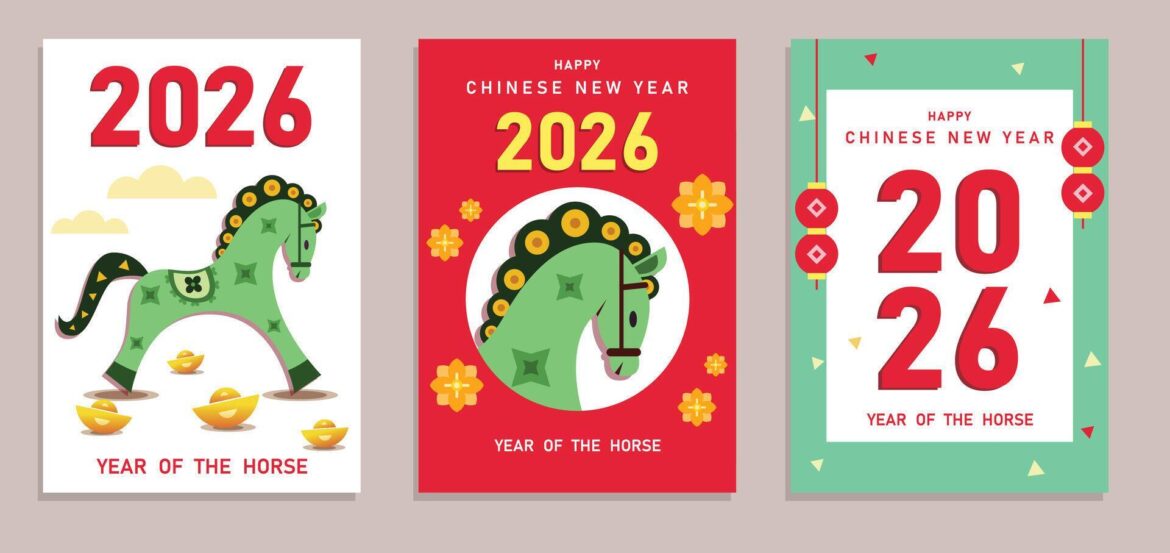
Chinese New Year, also known as the Lunar New Year, is one of the most significant celebrations in Asian cultures, marking the beginning of the new year on the lunar calendar. In 2026, Chinese New Year will fall on February 17, ushering in the Year of the Horse, known for its attributes of energy, passion, and confidence. The relevance of this festival extends beyond mere celebrations; it holds deep cultural and familial significance, fostering unity and sharing among communities.
Traditions and Customs
Chinese New Year encompasses a variety of customs and traditions that have been passed down through generations. Families typically engage in extensive preparations, which include cleaning the home to sweep away bad fortune and welcome in good luck, decorating with red lanterns, and preparing festive meals. Reunion dinners, often held on the eve of the New Year, serve as an opportunity for families to gather and share a sumptuous meal, reflecting togetherness and familial bonds.
This year, special emphasis will likely be placed on traditional performances such as lion dances, dragon dances, and fireworks displays, all intended to ward off evil spirits and welcome prosperity for the upcoming year. Chinese New Year markets will spring up in cities around the world, filled with street food, crafts, and decorations, making it an exciting time for the community.
Global Celebrations
As the Chinese diaspora is widespread, Chinese New Year celebrations are not limited to China alone; they are prominent in various countries including Vietnam, Singapore, Malaysia, and even in cities with large Chinese populations such as London, San Francisco, and Sydney. In 2026, many cities will host parades and cultural exhibitions to celebrate the festival, attracting visitors from different backgrounds who seek to experience the festivities.
Significance for Readers
For readers, the upcoming Chinese New Year offers an opportunity to explore and embrace different cultural practices and traditions. Understanding the meaning behind the celebrations fosters appreciation and respect for cultural diversity. Furthermore, as societies become increasingly interconnected, participating in or learning about such global festivities invites a sense of community and shared experiences.
Conclusion
Chinese New Year 2026 will not only mark the transition into the Year of the Horse but also serve as a reminder of the importance of familial connections, cultural heritage, and community spirit. As communities prepare to celebrate this vibrant festival, it’s an invitation for everyone to join in on the celebrations, no matter their background, fostering unity and joy as we welcome another prosperous year ahead.