As the world continues to grapple with the COVID-19 pandemic, a new variant known as the Cicada variant has emerged, drawing attention for its significant number of mutations. This variant, classified as BA.3.2 and part of the Omicron family, was first spotted in South Africa in November 2024.
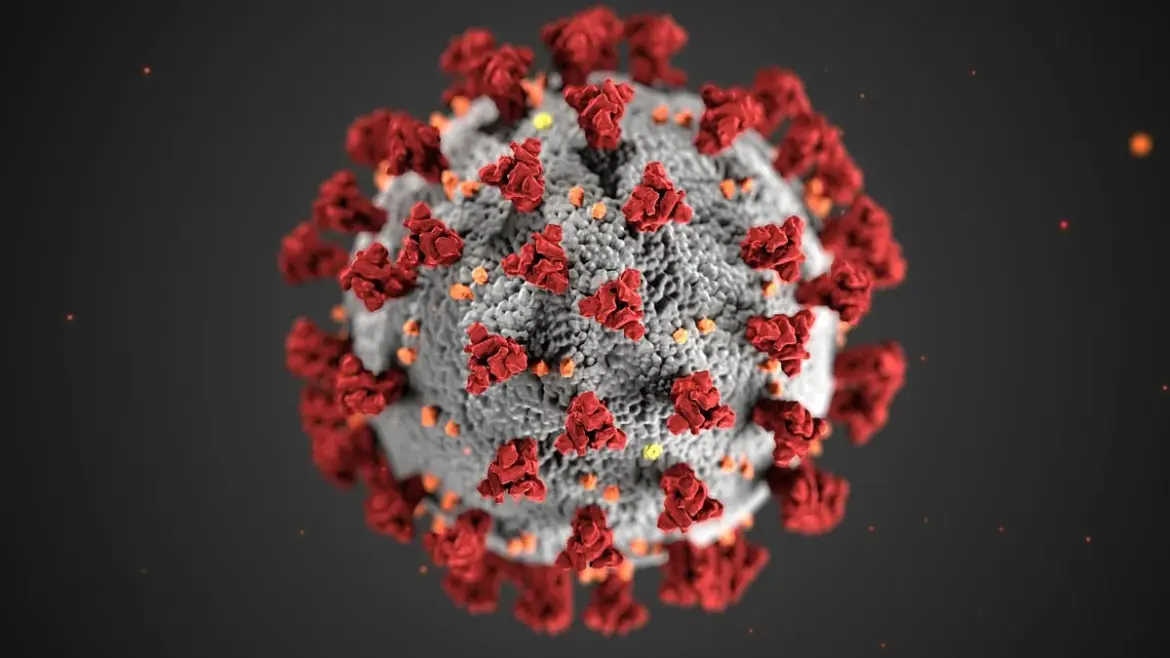
By early 2025, the Cicada variant began to spread to various countries, including India, where health officials are closely monitoring its impact. The variant carries approximately 75 mutations, with over 50 of these located in the spike protein, which is critical for the virus’s ability to infect human cells.
Symptoms associated with the Cicada variant include cough, extreme fatigue, runny nose, headache, sore throat, mild fever, muscle and joint pain, loss of taste or smell, night sweats, and rash. These symptoms are similar to those of previous variants, raising questions about the variant’s severity.
Currently, there is no confirmed evidence that the Cicada variant causes more severe illness than earlier strains. However, real-world data on the severity of illness caused by this variant is still limited, leaving health experts cautious.
In the United States, the first confirmed case of the Cicada variant was reported in June 2025, with three patients confirmed by January 2026, all of whom recovered. This indicates that while the variant is spreading, it may not necessarily lead to increased hospitalizations.
Dr. Robert Hopkins Jr. has noted, “It is possible we will see Cicada become the dominant strain in the U.S., but that is by no means certain.” This statement underscores the uncertainty surrounding the variant’s potential to outpace others.
The Centers for Disease Control and Prevention (CDC) has emphasized the importance of monitoring the spread of BA.3.2, stating that it provides valuable information about the potential for this new SARS-CoV-2 lineage to evade immunity from previous infections or vaccinations.
As of now, the Cicada variant has been detected in 22 countries, prompting global health authorities to remain vigilant. The situation is fluid, and health officials in India and elsewhere are preparing for various scenarios as they assess the variant’s implications.
The emergence of the Cicada variant highlights the ongoing challenges posed by COVID-19 and the need for continued surveillance and research. As the world adapts to new variants, understanding their characteristics and effects will be crucial for public health responses.
Details remain unconfirmed.