Reaction from the field
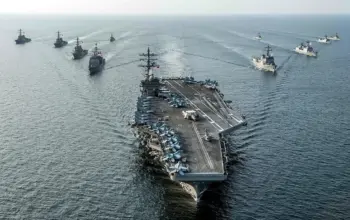
The ongoing energy crisis in Cuba has reached a critical point, with the island nation facing unprecedented challenges due to a U.S. blockade on fuel supplies. As of March 2026, Cuba has not received any fuel in three months, leading to a staggering reliance on dwindling resources and resulting in three significant grid collapses this month alone. The situation has escalated to a point where the Cuban government is struggling to maintain basic services, and public discontent is rising.
The Trump administration’s blockade, which began in December 2025, has severely restricted Cuba’s access to fuel, a resource on which the country is 83% dependent for power generation. This blockade has been characterized by former President Trump as a measure to bring about change in Cuba, with Trump stating, “Cuba is ‘seeing the end'” of its current regime. The implications of this blockade are dire, as the island’s energy needs require around 100,000 barrels of imported fuel per day, a demand that has gone unmet.
Despite the blockade, some fuel has made its way to Cuba’s private sector, with U.S. suppliers shipping approximately 30,000 barrels in 2026. However, this amount falls drastically short of the country’s requirements. The U.S. Bureau of Industry and Security has issued guidance allowing exports of U.S. gas and petroleum products to eligible Cuban private-sector entities, but the reality remains that most of the imported fuel is diesel, with only about 1% consisting of gasoline. This limited supply has not alleviated the energy crisis, as the country continues to face widespread blackouts.
Marco Rubio, a prominent U.S. senator, has emphasized the intention behind the blockade, stating that it is “entirely designed to put the private sector and individual private Cubans – not affiliated with the government, not affiliated with the military – in a privileged position.” However, he has also warned that any diversion of fuel to the regime or military will result in the cancellation of licenses for private sector entities, creating a precarious situation for those attempting to navigate the restrictions.
The impact of the blockade is felt not only in terms of energy shortages but also in the broader context of Cuba’s economy and society. The lack of fuel has disrupted transportation, healthcare, and other essential services, leading to a humanitarian crisis that has drawn international attention. Miguel Diaz-Canel, the Cuban president, has lamented that the island had not received any fuel in three months, underscoring the severity of the situation.
In 2026, 61 container ships carrying goods, including fuel, arrived in Cuba, but the blockade continues to hinder the flow of essential resources. The limited fuel supply has led to increased prices and scarcity, exacerbating the struggles of ordinary Cubans. The situation remains fluid, with the potential for further developments as the international community watches closely.
As the crisis unfolds, uncertainties loom over the future of Cuba’s energy landscape. The ongoing geopolitical tensions and the U.S. administration’s stance on Cuba will play a crucial role in determining whether the island can secure the necessary resources to stabilize its energy grid and alleviate the suffering of its citizens. Details remain unconfirmed regarding any potential changes in U.S. policy or further actions that may impact the blockade.