What is the current state of Cuba’s economy and its implications?
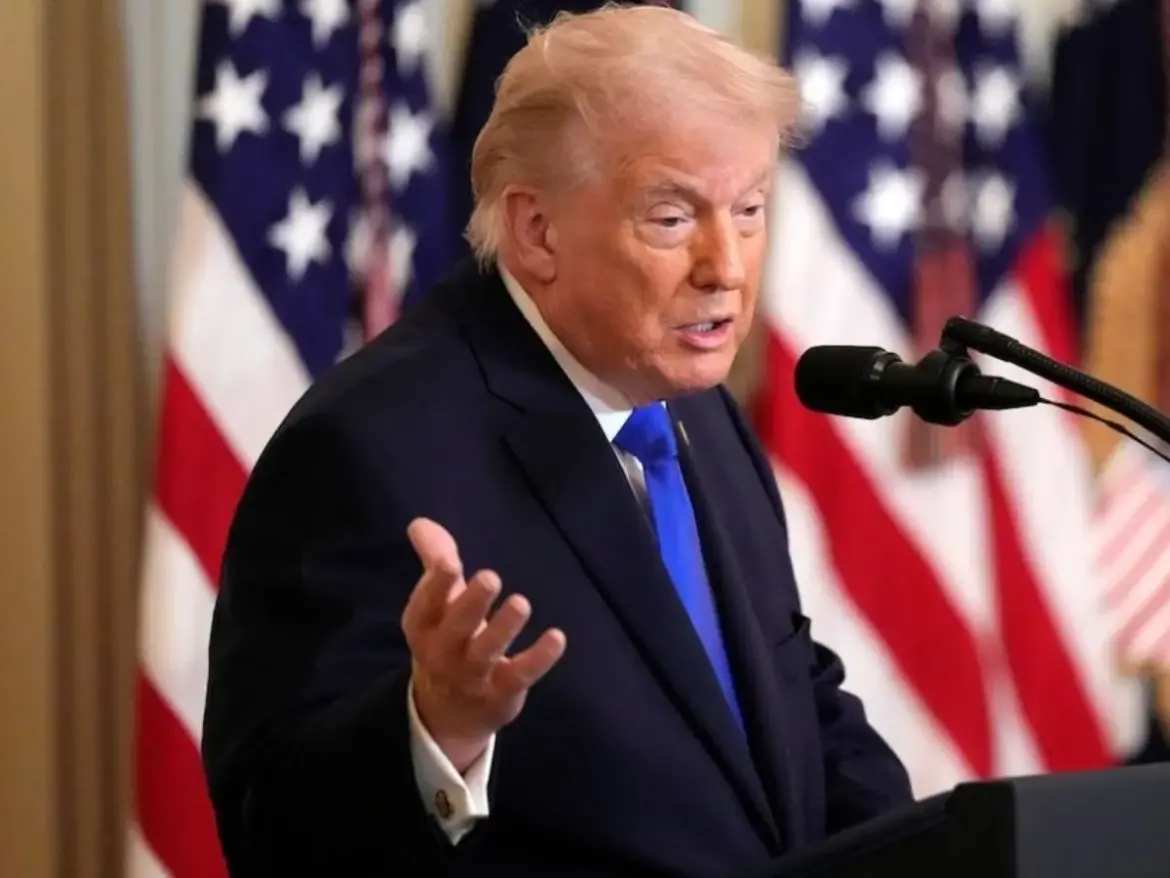
The question of how Cuba will navigate its ongoing economic crisis is pressing, especially as US political figures signal a renewed focus on the island. Recent statements from Donald Trump suggest that the US may shift its attention to Cuba after resolving the conflict with Iran, indicating a potential change in diplomatic relations and economic policies.
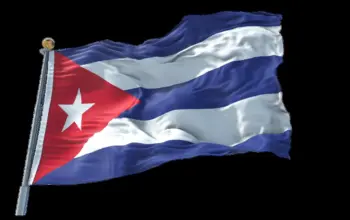
The Cuban economy is currently facing severe challenges, with a contraction of 15 percent in GDP over the past five years. This downturn has been exacerbated by fuel shortages and a heavy reliance on Venezuelan oil, which has become increasingly difficult to secure. As of February 8, Cuban authorities announced that the island’s jet fuel supplies had run dry, leading to significant disruptions in transportation and commerce.
How are fuel shortages impacting daily life in Cuba?
Fuel shortages have led to a dramatic increase in private taxi fares, with petrol now selling for $8 per liter. This surge in prices reflects a broader economic strain, as the government has limited the sale of fuel to just 20 liters per vehicle for those able to purchase it in US dollars. The black market for petrol has seen a staggering 400 percent increase in prices, further complicating the situation for everyday Cubans.
In response to the crisis, the Cuban government has implemented contingency plans, including ordering students to leave universities. This decision underscores the severity of the situation, as the government grapples with how to manage dwindling resources while maintaining social order. Alejandro Candelaria, a local resident, remarked, “Living under these conditions doesn’t benefit anyone,” highlighting the widespread discontent among the population.
What role does the US play in Cuba’s current challenges?
The US has imposed severe restrictions on the Cuban economy, affecting trade, finance, and energy supplies. These sanctions have played a significant role in the current economic landscape, limiting Cuba’s ability to recover from its ongoing crises. The US Department of the Treasury recently announced that it would allow the resale of some Venezuelan oil to Cuba for commercial and humanitarian use, a move that could provide some relief but also raises questions about the long-term implications of such actions.
Trump’s comments on Cuba, including praise for Marco Rubio’s efforts regarding the island, suggest that the US administration is preparing to engage more deeply with Cuba’s issues. The political landscape is shifting, and as the US focuses on resolving the conflict with Iran, the future of US-Cuba relations remains uncertain.
What does the future hold for Cuba?
As the situation unfolds, it remains to be seen how the Cuban government will respond to these mounting pressures and what role the US will play in shaping the island’s future. With the potential for renewed diplomatic engagement, the dynamics of US-Cuba relations could shift significantly. However, details remain unconfirmed regarding the specific policies that may emerge from this renewed focus.
In summary, Cuba’s economic crisis is deepening, driven by fuel shortages and the impact of US sanctions. As political figures in the US consider the island’s future, the implications for the Cuban people and their government are profound and far-reaching.