Reaction from the field
The recent auction of Dawood Ibrahim’s properties in Ratnagiri marks a significant milestone in India’s ongoing battle against organized crime and terrorism. The auction, which took place on March 5, 2026, was the culmination of several failed attempts to liquidate assets linked to the notorious gangster, who has been a fugitive since the 1993 Mumbai blasts. This event not only underscores the efforts of Indian authorities to dismantle Ibrahim’s criminal empire but also raises questions about the implications of his legacy.
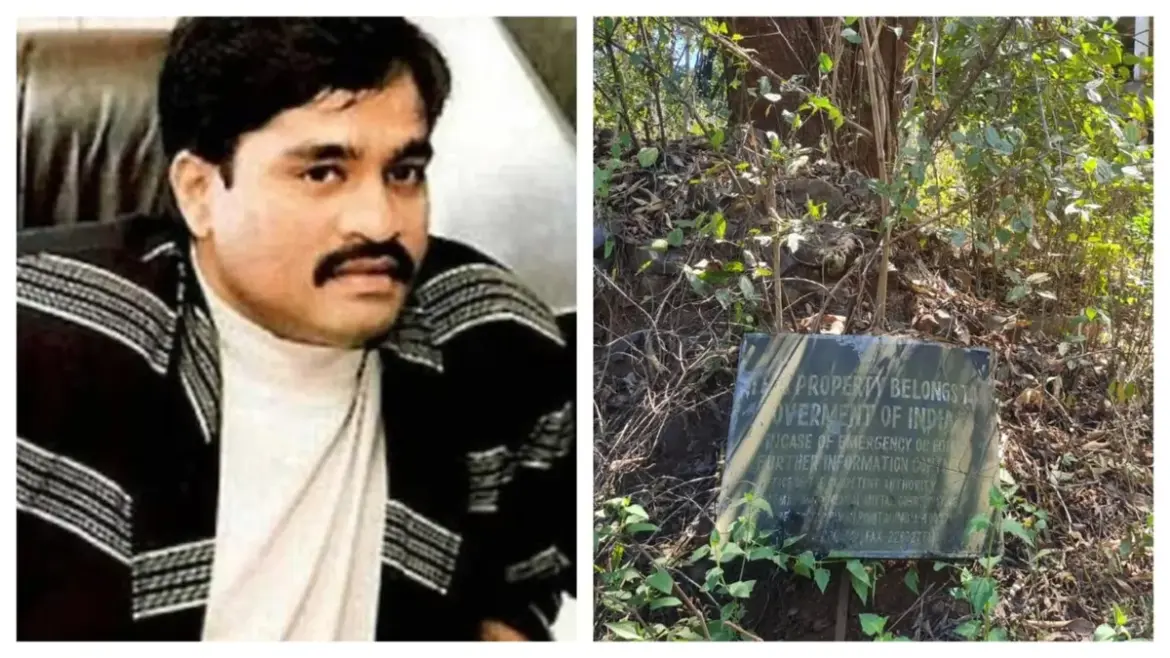
The properties auctioned were four agricultural plots located in Mumbake village, registered in the name of Ibrahim’s mother, Amina Bi. These assets were seized under the Smugglers and Foreign Exchange Manipulators (Forfeiture of Property) Act (SAFEMA), a legislative tool aimed at combating financial crimes. The auction attracted two buyers, with one securing a single plot and another acquiring three plots, although their identities remain undisclosed.
The reserve price for one of the plots was set at 9 lakh, while the final sale price reached 10 lakh, indicating a growing interest in properties associated with high-profile criminal figures. The successful sale is being viewed as a key step in the government’s broader effort to liquidate properties linked to criminal networks, a move that could potentially disrupt the financial underpinnings of such organizations.
Dawood Ibrahim’s notoriety extends far beyond his real estate holdings. He orchestrated the 1993 Mumbai serial blasts, which resulted in the deaths of over 250 individuals, a tragedy that continues to haunt the city. His criminal activities have led to his designation as a Specially Designated Global Terrorist by the United States since 2003, and he is known to have connections with Al-Qaeda, running a narco-terror empire that has had far-reaching consequences.
Despite numerous reports regarding his health and whereabouts, the status of Dawood Ibrahim remains shrouded in uncertainty. His death has been rumored multiple times, yet no official confirmation has been provided, leaving many questions unanswered. The UN Security Council has listed multiple addresses for him in Karachi, further complicating the international efforts to apprehend him.
The recent release of the film “Dhurandhar 2,” which implies that Dawood Ibrahim is the character ‘Bade Sahab,’ has reignited public interest in his story. The film’s portrayal of Ibrahim could influence perceptions of his legacy, illustrating the complex relationship between crime, media, and public consciousness. As the narrative surrounding Ibrahim continues to evolve, it remains to be seen how these developments will impact ongoing investigations and efforts to bring him to justice.
As the auction results unfold, the implications for Ibrahim’s criminal network and the broader fight against organized crime in India are significant. The identities of the buyers in the auction have not yet been disclosed, and details remain unconfirmed. Furthermore, the status of Dawood Ibrahim’s health and whereabouts continues to be a matter of speculation, with his death reported but not confirmed. The tension between the past and present of Ibrahim’s legacy will likely continue to shape discussions around terrorism and organized crime in India for years to come.