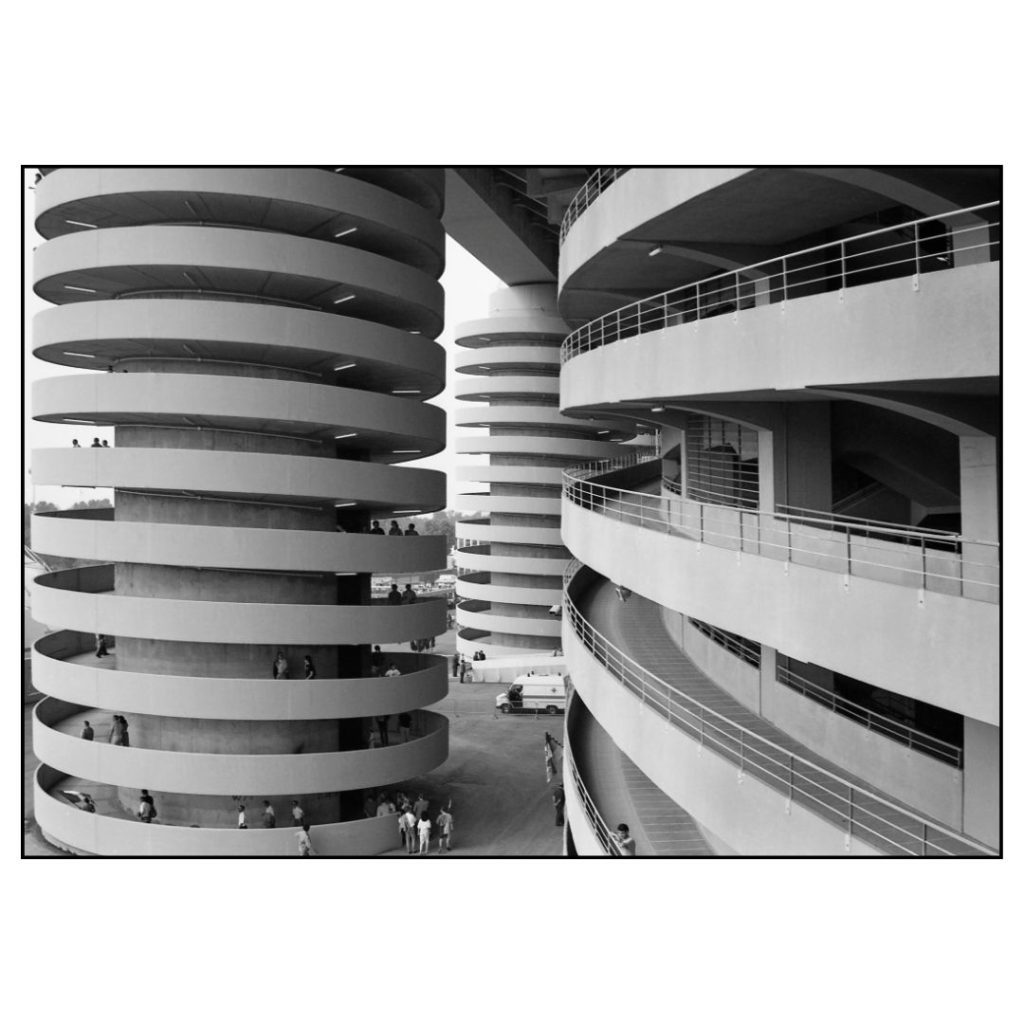
Introduction to San Siro
San Siro, officially known as Stadio Giuseppe Meazza, is a legendary football stadium located in Milan, Italy. Opened in 1926, it is not only one of the largest stadiums in Europe but also a symbol of Italian football heritage. It primarily serves as the home ground for two of Italy’s biggest football clubs, AC Milan and Inter Milan. The stadium has a seating capacity of over 75,000, making it a vital venue for both domestic and international matches.
Historical Significance
Over the decades, San Siro has hosted numerous unforgettable moments in football history. From legendary matches such as the 1965 European Cup final, where Inter Milan triumphed, to the memorable performances during the 1990 FIFA World Cup, the stadium has witnessed the rise of football greats like Paolo Maldini and Lionel Messi. Additionally, San Siro’s remarkable architecture and design attract countless visitors, making it a must-see destination beyond just sporting events.
Recent Developments
With the evolution of football and changing fan expectations, discussions have surged regarding the renovation or replacement of San Siro. In 2021, AC Milan and Inter Milan proposed a project to build a new stadium that would honour the historical significance of San Siro while providing modern amenities. Surprisingly, in June 2023, the mayor of Milan announced that renovations and restoration efforts to preserve the current structure will commence instead. The decision has garnered mixed responses from fans, with some supporting the preservation of the iconic stadium and others longing for a state-of-the-art facility.
The Future of San Siro
The future of San Siro continues to be a subject of fervent debate within the football community. As renovation plans move forward, stakeholders aim to strike a balance between maintaining the stadium’s historical legacy and meeting modern standards. The importance of San Siro extends beyond football; it functions as a cultural landmark and an integration point showcasing Milan’s vibrant history. As consideration for its architectural and cultural relevance continues, the impact on the city and global football will be significant.
Conclusion
In conclusion, San Siro remains a cornerstone of football and a treasure trove of memories for fans and players alike. Its potential renovation signifies the city’s commitment to preserving its rich football heritage while ensuring that it thrives in the contemporary era. The developments around San Siro will not only affect local football culture but will also resonate throughout the global football community, reinforcing the enduring legacy of this remarkable stadium.