The closure of the Strait of Hormuz is a significant geopolitical event affecting global oil supplies. This strategic waterway is crucial for the transportation of oil, and its closure has immediate repercussions on the global market. The situation has escalated tensions in the Middle East, leading to uncertainty in oil prices and broader economic implications.
Breaking Development
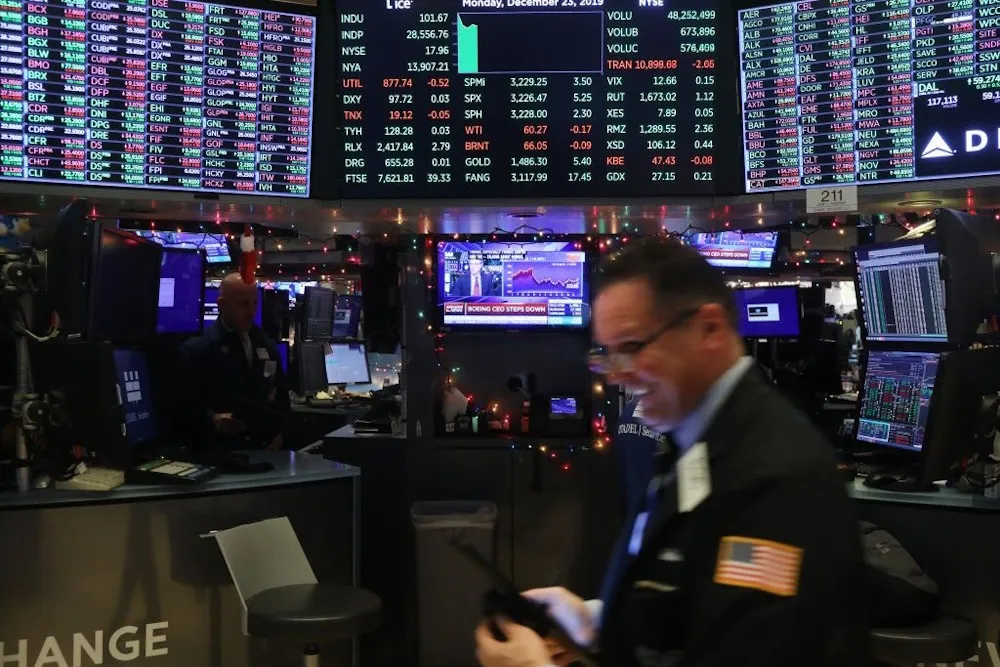
In early trading, Dow futures plummeted over 1,000 points, reflecting the market’s response to these geopolitical tensions. Specifically, futures tied to the Dow Jones industrial average crashed by 1,011 points, or 2.13%. The S&P 500 futures were also down 2.01%, while Nasdaq futures lost 2.31%. The volatility in the market is underscored by the CBOE Volatility Index (VIX), which soared to 29.49, its highest level since April 2022.
Impact on Oil Prices
The geopolitical tensions have led to a significant surge in oil prices. Brent crude futures surged nearly 18% to $109, while West Texas Intermediate (WTI) futures jumped 26% to surpass $107. U.S. oil futures shot up 24.6% to $113.30 a barrel. The increase in oil prices is largely attributed to the closure of the Strait of Hormuz and the collapse of Iraq’s oil output by 60% due to the ongoing conflict.
Economic Indicators
Adding to the market’s woes, the latest jobs report revealed that the unemployment rate in the U.S. increased to 4.4%. This rise in unemployment, coupled with the volatility in oil prices, has raised concerns about the overall health of the U.S. economy. The Dow closed at 47,501 points on the previous Friday, down almost one percent for the day, indicating a trend of declining investor confidence.
Reactions from Key Parties
Market analysts are expressing concern about the uncertainty surrounding the situation. Rick Rieder commented, “Markets are clearly jittery as the impact, and duration, of the war in the Mideast are very uncertain, with a potentially wide range of outcomes for economies and important market influences.” In contrast, former President Donald Trump stated, “Short term oil prices, which will drop rapidly when the destruction of the Iran nuclear threat is over, is a very small price to pay for U.S.A., and World, Safety and Peace.” This highlights the differing perspectives on the implications of the current geopolitical landscape.
Looking Ahead
Observers are closely monitoring the situation as the exact duration and impact of the ongoing conflict between the U.S. and Iran remain unclear. Details remain unconfirmed, but the potential for further market volatility is high as investors react to developments in the region. The interplay between geopolitical events and economic indicators will likely continue to shape market movements in the coming days.