Reaction from the field
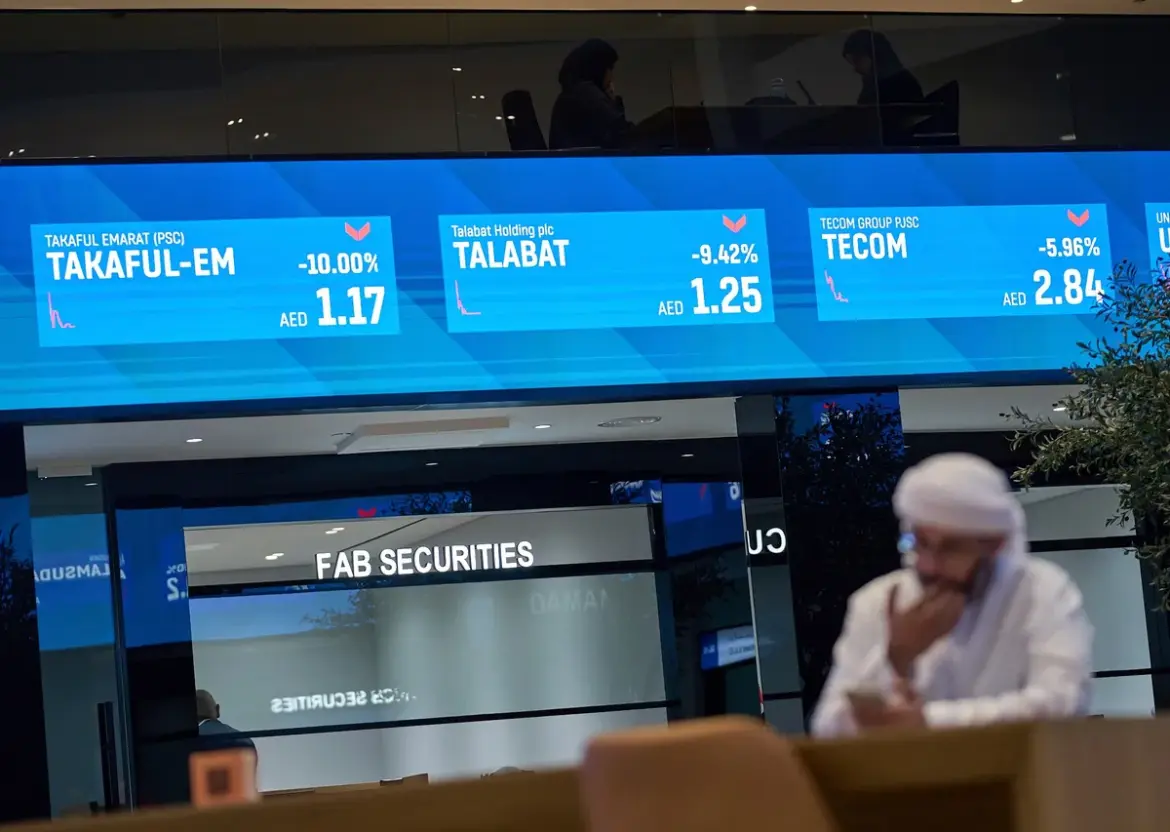
The Dubai Iran War, which escalated dramatically in March 2026, has had profound economic repercussions, particularly for the United Arab Emirates (UAE). Since the onset of the US-Israel conflict with Iran, the UAE’s stock markets in Dubai and Abu Dhabi have collectively lost approximately $120 billion in value. This staggering figure underscores the immediate financial impact of the conflict on one of the region’s most vital economic hubs.
As of late March 2026, Dubai’s benchmark index has experienced a sharp decline, plunging about 16 percent since February 28. The Dubai Financial Market (DFM) General Index has seen a loss of approximately $45 billion in market capitalization, while the Abu Dhabi Exchange (ADX) has shed around $75 billion. These figures highlight the volatility and investor uncertainty that have permeated the financial landscape amid escalating tensions.
The conflict has not only affected stock markets but has also disrupted energy supplies, a critical component of the UAE’s economy. A recent drone attack on the Al-Salmi tanker, which was carrying two million barrels of oil from Kuwait and Saudi Arabia, exemplifies the growing risks in the region. Although no oil leakage or injuries were reported from the incident, the attack has raised alarms about the safety of maritime operations in the Gulf, further straining investor confidence.
Analysts suggest that while the current situation represents a significant short-term setback, it may not pose a fundamental challenge to the UAE’s long-term economic plans. Haytham Aoun, a financial expert, remarked, “It is clearly a short-term setback to investor sentiment and market confidence, but not necessarily a fundamental challenge to the UAE’s long-term economic plan.” This perspective offers a glimmer of hope amidst the turmoil, suggesting that the UAE’s economic resilience may ultimately prevail.
However, the broader implications of the Dubai Iran War extend beyond financial markets. The conflict has resulted in thousands of casualties and has heightened regional tensions, drawing in neighboring countries such as Saudi Arabia and Kuwait. The situation remains fluid, with the potential for further escalations as military actions continue to unfold.
As the war progresses, the price of Brent crude oil has surged, reflecting the instability in the region. In March alone, prices increased by 59 percent, indicating the market’s reaction to the ongoing conflict and its potential impact on global energy supplies. This spike in oil prices could have far-reaching consequences, not just for the UAE but for economies worldwide that rely on stable energy prices.
Details remain unconfirmed regarding the long-term impact of the war on UAE’s financial markets. As the situation develops, stakeholders are closely monitoring the evolving dynamics, particularly the potential for further military actions and their implications for regional stability.
In summary, the Dubai Iran War has triggered significant economic losses and heightened tensions across the Middle East. As the conflict continues, the repercussions for the UAE’s economy and the broader geopolitical landscape remain uncertain, leaving investors and policymakers alike grappling with the potential fallout.