Introduction
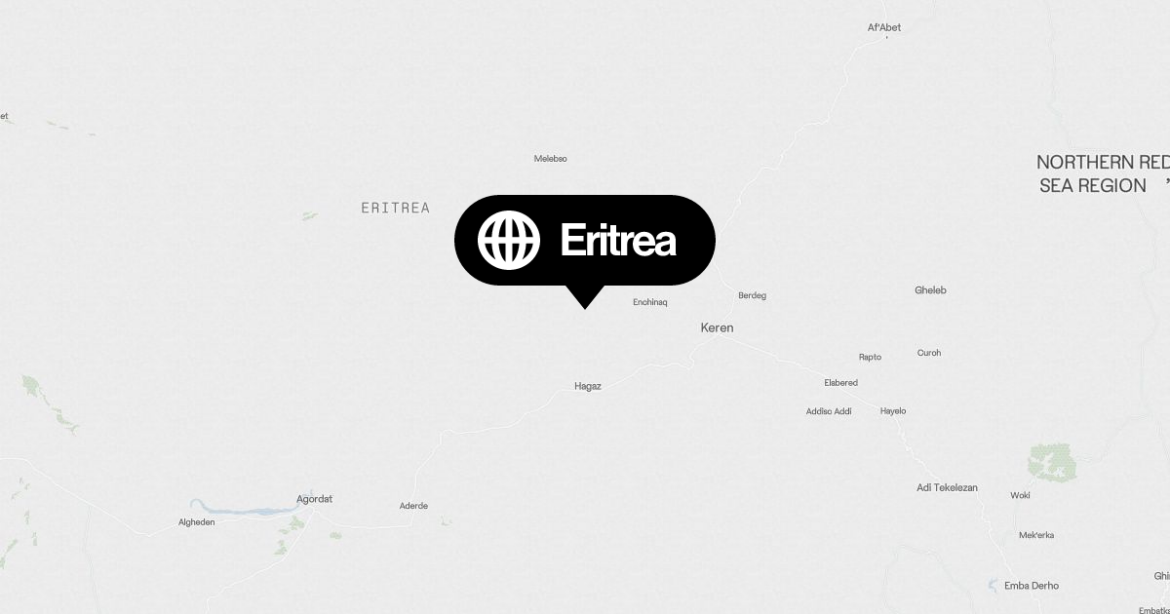
Eritrea, a small nation situated in the Horn of Africa, is often in the international spotlight due to its complex political environment and challenging human rights record. With a history of conflict, including a long war for independence from Ethiopia that ended in 1991, Eritrea remains a significant case study in the interplay of geopolitics, regional stability, and social issues. Understanding Eritrea is essential not only for insight into its own citizens’ lives but also for comprehending broader regional dynamics in East Africa.
Political Climate
The political situation in Eritrea is heavily influenced by President Isaias Afwerki, who has been in power since the country’s independence. His leadership has been characterised by a lack of democratic reforms, with no elections held since 1993. The government is often accused of suppressing free speech and maintaining tight control over its citizens. Recent global attention brought by the Eritrean diaspora and human rights organisations continues to pressure the regime for change.
Human Rights Concerns
Human rights issues in Eritrea are significant. Reports from organisations such as Amnesty International and Human Rights Watch document arbitrary detention, forced conscription, and severe restrictions on freedom of expression. These conditions have led many Eritreans to flee the country, resulting in one of the highest rates of asylum seekers in Europe relative to its population. In 2023, the UN Special Rapporteur on the situation of human rights in Eritrea noted a continued deterioration in the human rights context, urging the international community to take action.
Economic Factors
Eritrea’s economy remains fragile. Large shares of the population rely on subsistence agriculture, while the mining sector, particularly precious minerals, holds potential for growth. However, the lack of infrastructure, compounded by government policy, has stunted economic development. The recent lifting of some US sanctions aimed at the mining sector has provided a glimmer of hope, allowing for better foreign investment opportunities. Nonetheless, internal strife and external pressures pose substantial risks to economic expansion.
Looking Forward
As Eritrea navigates its complex socio-political and economic landscape, the outlook remains uncertain. There is a pressing need for diplomatic efforts, both regionally and globally, to encourage necessary reforms and aid humanitarian efforts. The steps taken today will likely shape the future of Eritrea and its people for decades to come. Observers suggest that increased engagement by international bodies could provide pathways for change, fostering a more democratic and prosperous society.
Conclusion
Eritrea’s ongoing challenges and complexities highlight the importance of international attention and support. For Eritreans, the hope for improved human rights and economic opportunities continues to drive the quest for freedom and dignity, echoing throughout the nation’s tumultuous history. For readers and global citizens, understanding Eritrea is crucial in advocating for better governance and human rights, and addressing the needs of its people.