Introduction
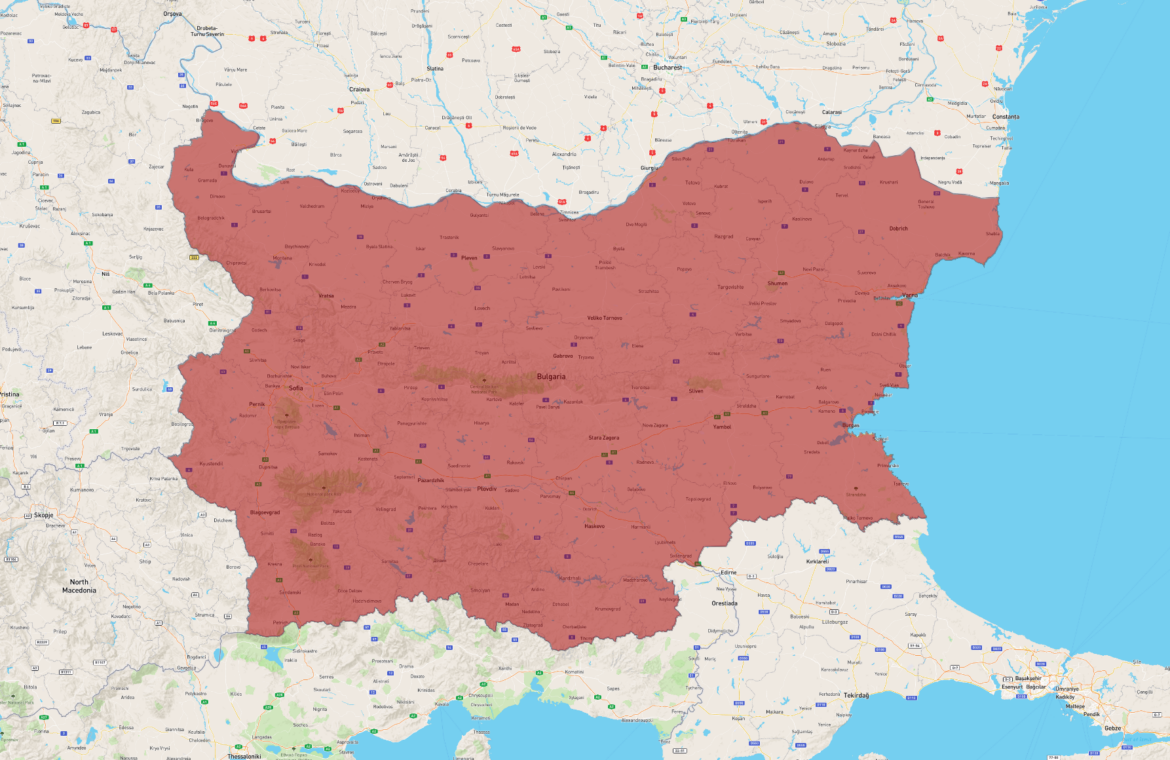
Bulgaria, nestled in Southeast Europe, is a country known for its rich history, diverse culture, and breathtaking landscapes. As one of the oldest European countries, Bulgaria has a wealth of traditions and customs that attract tourists and researchers alike. This article delves into the current state of Bulgaria, its cultural significance, and what makes it a noteworthy destination in the modern age.
Historical Significance
Bulgaria boasts a complex history that stretches back over 1,300 years. The formation of the First Bulgarian Empire in the 7th century marked a significant moment not just for the local populace but for all of Europe, as it contributed to the cultural and religious development in the region. Today, UNESCO recognises multiple Bulgrian sites, including the Thracian Tombs and the Rila Monastery, which attest to the nation’s historical importance.
Modern-Day Bulgaria
In recent years, Bulgaria has seen a significant transformation. As a member of the European Union since 2007, the country has been progressing rapidly in terms of economic development and public services. The IT industry, in particular, has flourished, making Sofia a burgeoning tech hub. According to recent statistics, Bulgaria’s GDP growth was estimated at 4% as of 2022, indicating a positive trajectory in its economic landscape.
Culture and Traditions
Bulgaria’s culture is a unique blend of Slavic, Ottoman, and ancient Thracian influences. Dance, music, and vibrant festivals characterize its rich traditions. The most famous celebration is the Martenitsa holiday on March 1st, where people exchange red and white yarn to signify health and prosperity. Moreover, traditional Bulgarian folk music has gained international recognition, with many artists gaining popularity beyond the borders.
Tourism and Natural Beauty
Tourism plays a crucial role in Bulgaria’s economy, with the picturesque Black Sea coastline, ski resorts in the Rila and Pirin mountains, and historical cities like Plovdiv and Veliko Tarnovo drawing millions of visitors annually. According to the Ministry of Tourism, Bulgaria welcomed over 9 million international tourists in 2022, indicating a strong recovery from the pandemic. Major attractions include the ancient city of Nessebar, the Seven Rila Lakes, and the Thracian Tomb of Kazanlak.
Conclusion
In conclusion, Bulgaria stands as a remarkable destination with a rich tapestry of history and modern vibrancy. As the country continues to develop and promote its cultural heritage and natural beauty, it is undoubtedly on the path to becoming a crucial player on the European tourism scene. For those interested in exploring a country that harmoniously blends the old with the new, Bulgaria offers an intriguing glimpse into both its past and its bright future.