Introduction
Forest Green Rovers, based in Gloucestershire, United Kingdom, is not just a football club; it has become a beacon of sustainability in sports. Founded in 1889, the club has made headlines in recent years for its commitment to environmentally friendly practices and reducing its carbon footprint, distinguishing itself in a league dominated by traditional practices.
The Journey towards Sustainability
In 2010, the club was taken over by Dale Vince, a green energy entrepreneur and founder of Ecotricity. Under Vince’s leadership, Forest Green Rovers made significant strides towards sustainability, becoming the first football club in the world to be certified as a ‘carbon-neutral’ organisation. This feat was achieved through various measures, including using renewable energy sources, introducing organic pitch management, and promoting plant-based diets among fans and players.
Innovative Practices
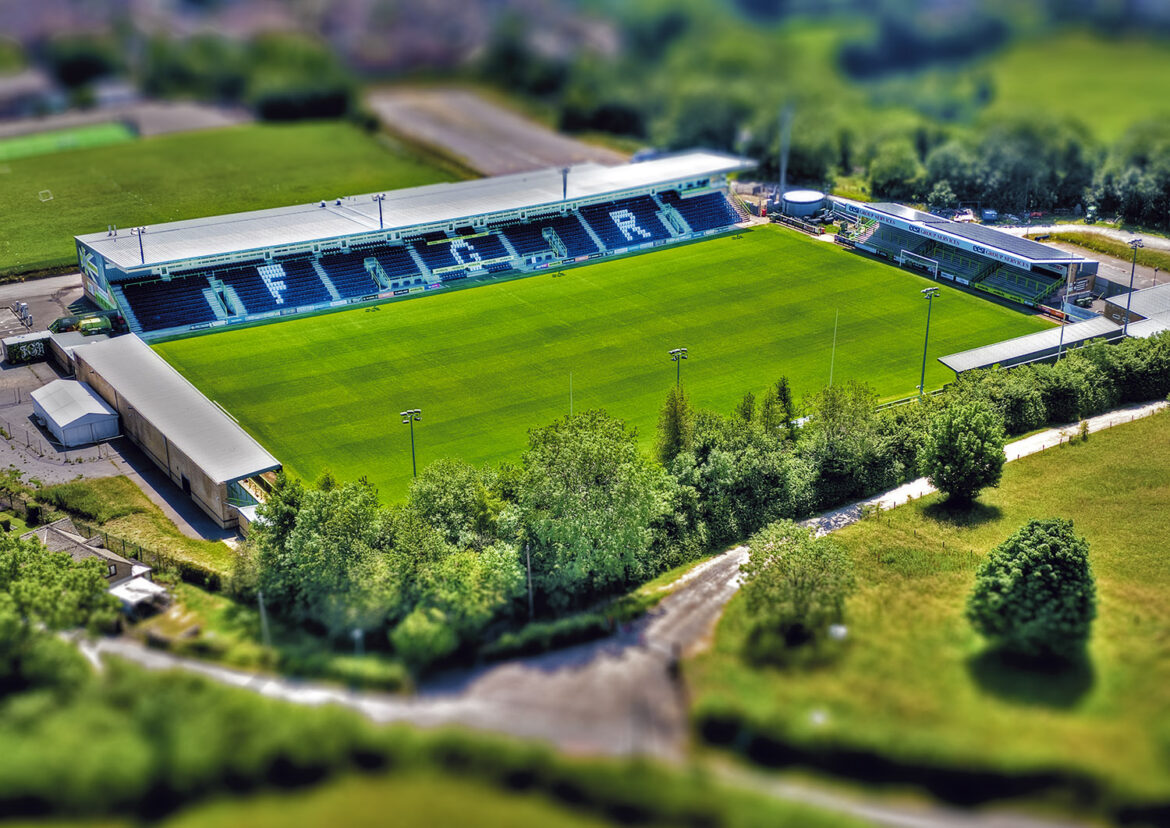
The club’s commitment to sustainability is evident in its operations. The New Lawn stadium, renovated to include solar panels and rainwater harvesting, serves as a testament to its eco-friendly vision. Additionally, Forest Green Rovers was the first club to have an entirely vegan menu, successfully integrating sustainability into the fan experience.
Achievements and Recognition
Forest Green Rovers’ innovative practices have not only garnered attention locally, but also globally. In 2018, they were awarded the title of the world’s greenest football club by FIFA. Furthermore, their efforts have inspired other clubs to adopt more sustainable practices, showing that eco-friendliness can coexist with competitive sports.
Significance for Fans and the Community
For fans, being a supporter of Forest Green Rovers means being part of a movement that prioritises the planet. The club’s engagement opportunities, including community initiatives and educational programmes, encourage fans to participate actively in sustainability efforts, fostering a sense of community and shared responsibility.
Conclusion
As the world increasingly grapples with environmental challenges, Forest Green Rovers stands out as a model of how sports can promote sustainability. Looking ahead, the club aims to further reduce its carbon footprint while encouraging other teams to embrace green initiatives. With its pioneering approach, Forest Green Rovers represents not only a football club but a significant movement towards environmental responsibility in sports, inspiring fans and other teams worldwide.