Introduction to Monaco
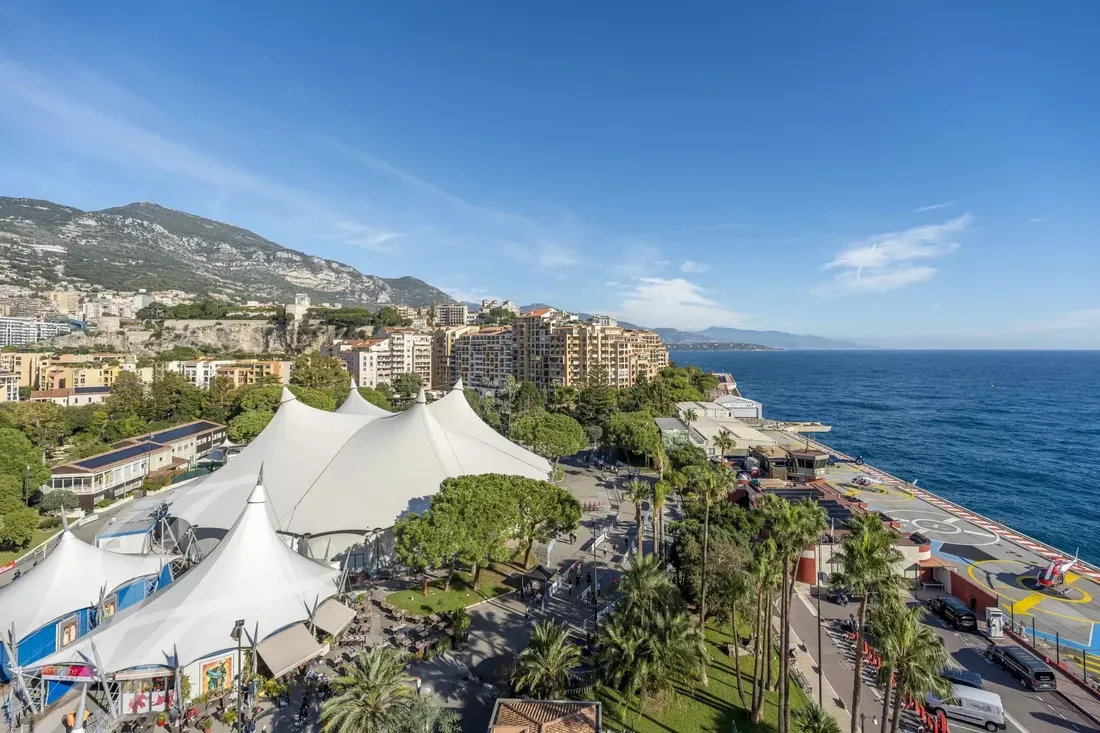
Monaco, the second smallest country in the world, is a notable city-state renowned for its luxurious lifestyle, casinos, and as a tax haven. Its strategic location along the French Riviera makes it a significant cultural and economic hub in Europe. The importance of Monaco extends beyond its size; it attracts over 15 million tourists annually, drawn by its opulent events, stunning architecture, and coastal beauty.
A Brief History
Historically, Monaco has been a significant player in European politics, having shifted hands among various ruling powers throughout the centuries. In 1297, the Grimaldi family seized control of the area, and they have ruled since, solidifying Monaco’s independence and shaping its unique identity. The principality gained recognition in 1861 when France officially acknowledged its sovereignty.
Modern Attractions and Events
Today, Monaco is synonymous with luxury and entertainment. The Monte Carlo Casino, established in 1863, remains a key attraction, alongside the Monaco Grand Prix—one of the most prestigious automobile races in the world. Events like the Monaco Yacht Show showcase the country’s wealth and are a key draw for high-net-worth individuals. Additionally, the annual Monte-Carlo Television Festival has positioned Monaco as a hub for media and entertainment.
The Economy of Monaco
Monaco’s economy is uniquely prosperous and is heavily reliant on tourism, hospitality, and services. In recent years, it has also adopted a strategy to attract tech and digital businesses, enhancing its status as a desirable location for startups and entrepreneurs. The lack of income tax has further positioned the country as an attractive destination for wealthy individuals and businesses.
Challenges and Future Outlook
Despite its allure, Monaco faces challenges, including high costs of living and maintaining sustainable growth in a small geographical area. Environmental initiatives are now underway to address ecological concerns, ensuring that tourism does not compromise the natural beauty of this historic region. The government continues to innovate, promoting events that appeal to a younger audience, reflecting a broader trend towards modernisation while respecting its heritage.
Conclusion
Monaco remains a crucial player in European culture and finance, blending tradition with modernity in a way that captivates visitors and residents alike. As it continues to adapt and evolve, the principality’s status as a spectacular destination looks likely to endure, appealing to future generations seeking both luxury and culture.