Introduction
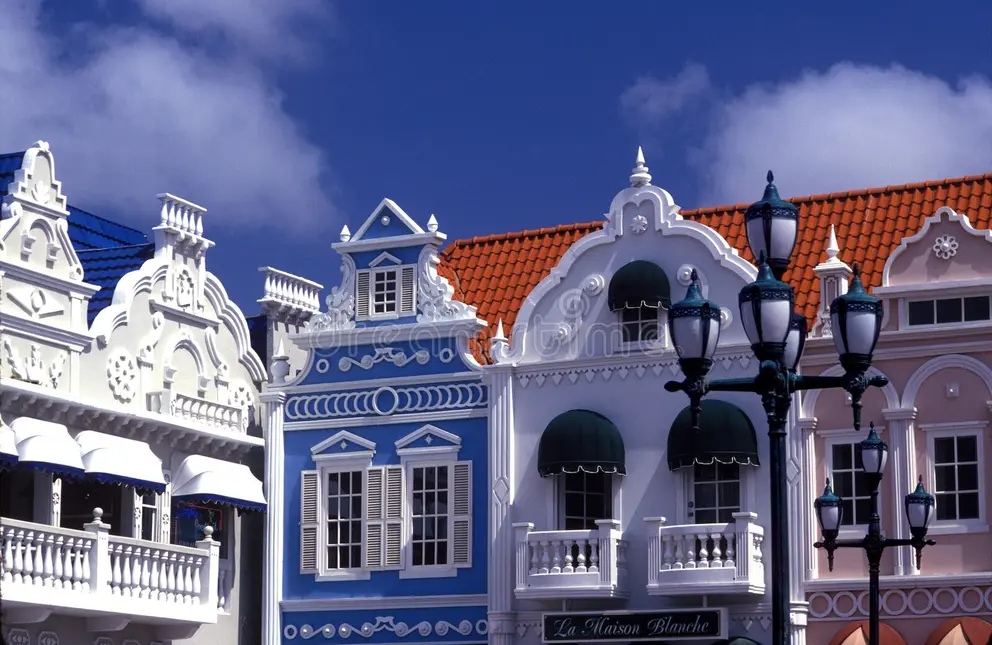
Aruba, a gem in the southern Caribbean Sea, has gained fame for its stunning beaches, warm climate, and vibrant culture. Situated just north of Venezuela, this small island has become a top travel destination for tourists seeking relaxation and adventure alike. With a unique blend of Dutch colonial influence, diverse wildlife, and natural wonders, Aruba’s charm lies in its ability to cater to all types of travellers, making it an important locale in the global tourism market.
The Beauty of Aruba
Aruba boasts some of the most beautiful beaches in the world, including Eagle Beach and Palm Beach, both of which are regularly featured in travel magazines and lists of must-visit locations. The beaches are known for their soft white sand and clear turquoise waters, perfect for sunbathing, swimming, and a range of water sports such as windsurfing and snorkelling.
The island’s natural wonders, such as Arikok National Park, add another layer to its appeal. Covering nearly 20% of the island, the park includes rugged landscapes, unique cacti, and ancient rock art that tell the story of the island’s indigenous people. Hiking trails offer visitors breathtaking views and a chance to experience Aruba’s unspoiled nature.
Cultural Richness and Activities
Beyond its natural beauty, Aruba is rich in culture. The island’s history is reflected in its vibrant festivals, local cuisine, and traditional music. Annual events, like the Carnival, showcase Aruba’s lively spirit through colourful parades and local performances. Furthermore, the culinary scene is diverse, featuring dishes influenced by Dutch, Caribbean, and Latin American cuisines, making dining out on the island an experience to remember.
Tourism Trends and Economic Impact
According to recent tourism reports, Aruba has seen a resurgence in tourist numbers post-pandemic, with a 25% increase in international arrivals compared to the previous year. The government has invested in marketing campaigns that focus on eco-tourism and sustainable practices, aiming to attract a more environmentally conscious demographic. This not only boosts the economy but also helps preserve the island’s natural beauty for future generations.
Conclusion
In conclusion, Aruba remains a leading travel destination in the Caribbean, appealing to a wide variety of tourists with its beautiful landscapes, rich culture, and welcoming atmosphere. As travel continues to rebound globally, Aruba’s investment in sustainable tourism is likely to enhance its reputation, ensuring that both the economy thrives and its natural resources are preserved. With its unique offerings, Aruba stands out not just as a vacation spot but as a sustainable paradise waiting to be explored.