Introduction
The ‘Greenland’ movie, directed by Ric Roman Waugh and released in December 2020, has captured the attention of audiences around the world with its gripping narrative and intense portrayal of a global disaster. This film, starring Gerard Butler, has been pivotal in re-establishing the disaster genre in modern cinema amidst the COVID-19 pandemic. Its relevance lies in its portrayal of human resilience and the struggle for survival in the face of overwhelming odds.
Plot Overview
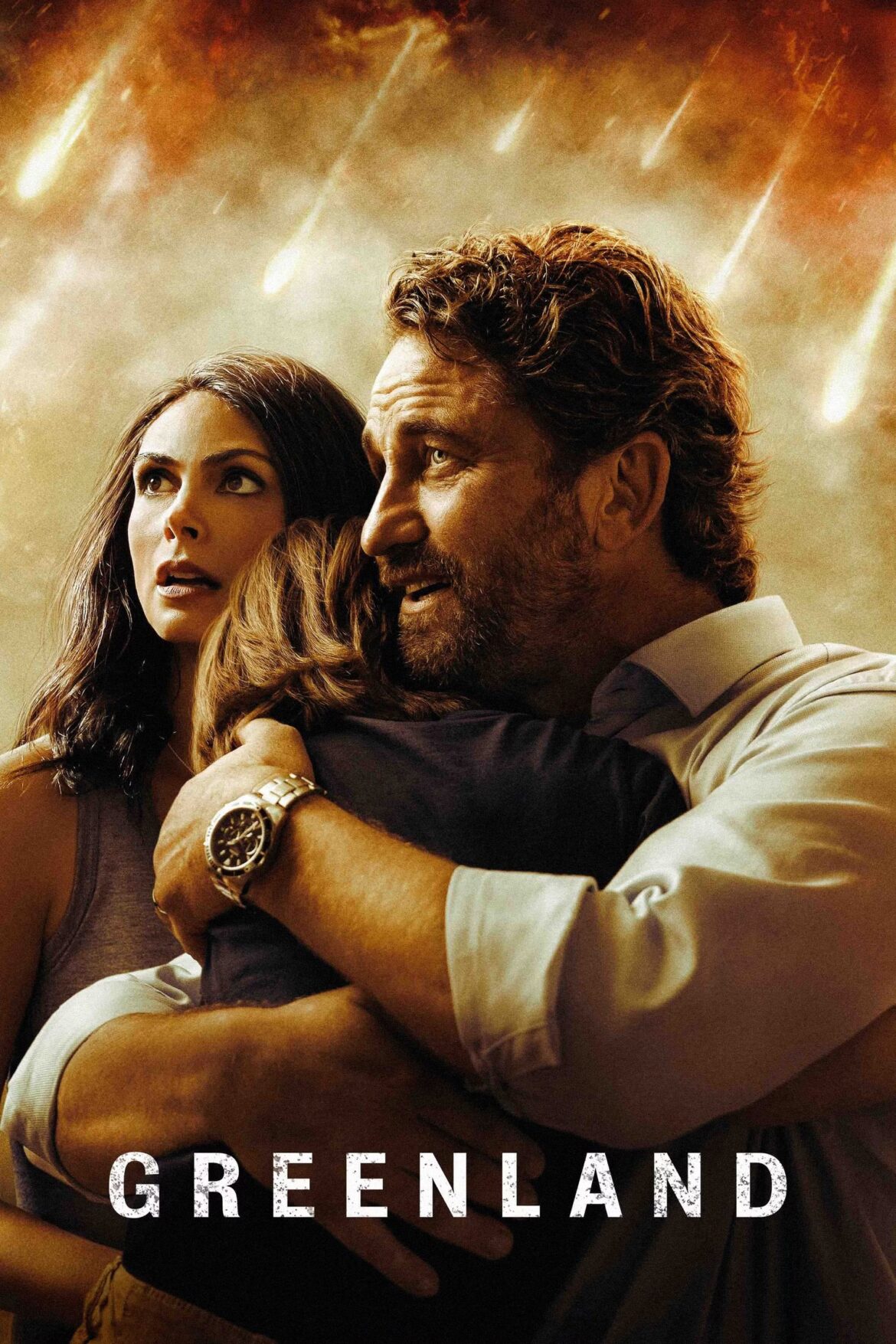
‘Greenland’ follows the story of John Garrity, played by Butler, a family man trying to lead his estranged wife, Allison (Morena Baccarin), and their young son, Nathan (Roger Dale Floyd), to safety as the Earth is threatened by a catastrophic comet. The film unfolds as they navigate through chaos, government evacuations, and the eerie societal breakdown that comes with impending doom. The title, referencing the seemingly safe haven that is Greenland, highlights the potential for survival amidst devastation.
Main Themes and Cinematic Elements
Several themes are woven throughout ‘Greenland,’ including family unity, sacrifice, and the indomitable human spirit. As the Garrity family faces various obstacles, including loss and moral dilemmas, audiences are reminded of the importance of human connections in times of crisis. The cinematography adds to the film’s impact, with stunning visuals that juxtapose the beauty of Earth against the chaos of disaster. The use of practical effects lends authenticity to the depiction of destruction, enhancing the audience’s emotional investment in the characters’ journeys.
Critical Reception and Cultural Significance
Upon its release, ‘Greenland’ received a mixed to positive response from critics, who praised the performances and the film’s pacing, while some pointed out its familiar tropes within the disaster genre. Despite this, it resonated strongly with viewers, particularly during a time marked by uncertainty and social distancing, as it offered a thrilling yet poignant escape from reality. The film’s success at the box office, especially in VOD markets, illustrated a growing audience craving disaster narratives that mirror contemporary fears.
Conclusion and Future Implications
‘Greenland’ illustrates the power of storytelling in addressing existential threats, tapping into a collective consciousness that resonates with many viewers post-2020. As filmmakers continue to explore disaster themes, one can expect to see an evolution in how such narratives unfold—possibly leaning towards more diverse perspectives and deeper character studies. For audiences, ‘Greenland’ serves as a reminder of both the fragility of life and the strength of familial bonds during tumultuous times. The lasting impact of this film may influence future cinematic representations of disaster, merging thrilling entertainment with meaningful commentary on the human condition.