Introduction to Languedoc
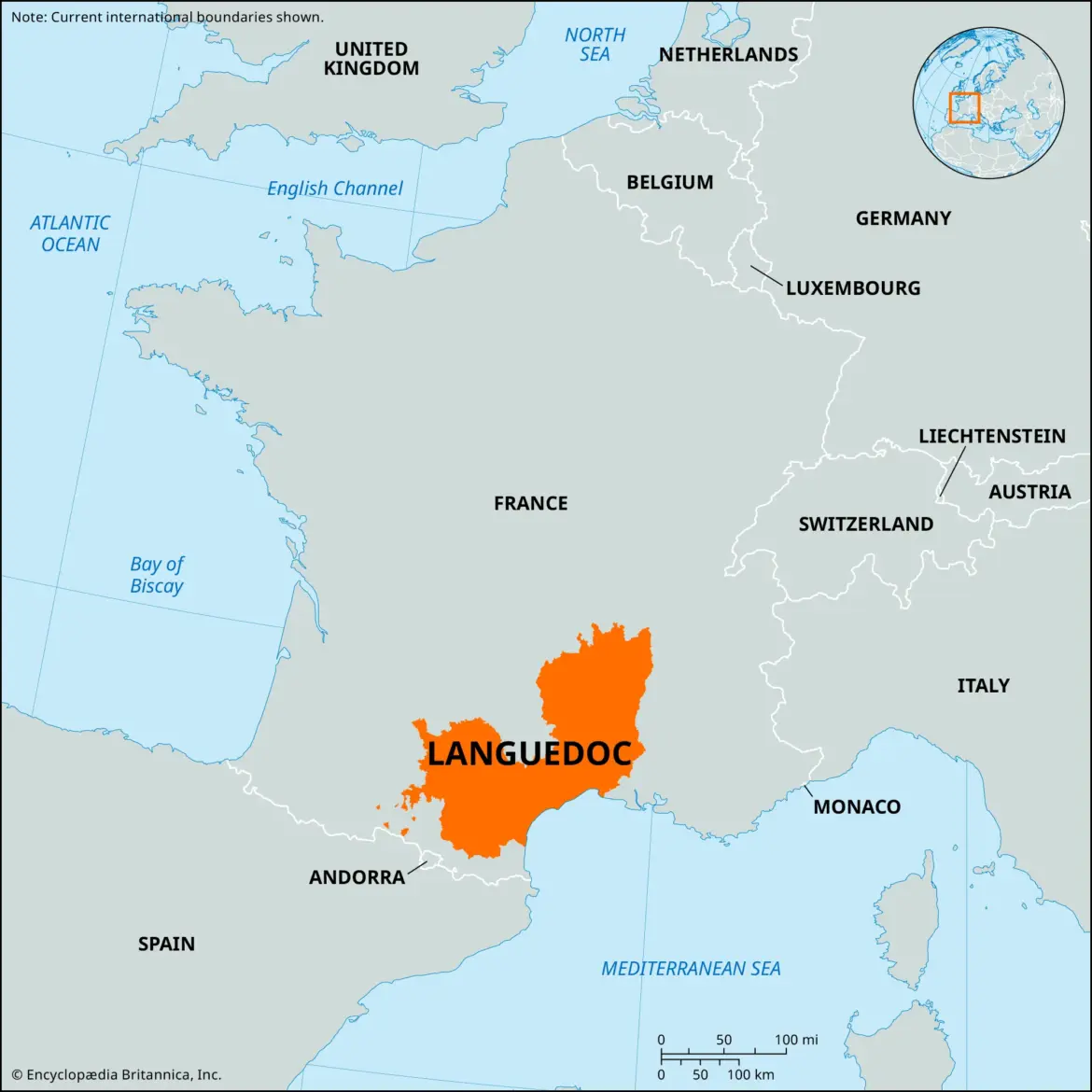
Languedoc, a historically rich region in the south of France, is renowned for its stunning landscapes, vibrant culture, and exceptional wine production. This area, bordered by the Mediterranean Sea to the south and the Cevennes mountains to the north, plays a vital role in France’s national identity, being a blend of rich history and modern charm. With an increasing focus on tourism, understanding Languedoc holds significance for both visitors and locals intent on preserving its unique heritage.
Key Features of Languedoc
The Languedoc region is distinguished by its diverse geography that ranges from coastal beaches to mountainous terrains. A notable highlight is the city of Montpellier, known for its medieval streets and dynamic university life. The ancient Roman city of Nîmes offers historic ruins, including the well-preserved amphitheatre that attracts thousands of tourists annually. Moreover, the Canal du Midi, a UNESCO World Heritage site, runs through Languedoc and showcases engineering prowess from the 17th century, serving as an important trade route and leisure destination.
Wine Production in Languedoc
One cannot discuss the Languedoc without mentioning its wine. The region is the largest wine-producing area in France, famous for its rich and diverse vineyards stretching across picturesque landscapes. The appellations of Languedoc, such as Minervois and Corbières, are known for their high-quality wines, ranging from robust reds to refreshing whites. Recent years have seen a surge in organic and biodynamic vineyards, appealing to environmentally conscious consumers. With regular wine festivals and tastings, Languedoc is carving a niche in the global wine market.
Cultural Significance
Culture thrives in Languedoc, marked by a profound history of art, cuisine, and festivals. The region celebrates its heritage through various events, notably the Festival of Avignon, which brings theatre and performances to the streets every summer. The local gastronomy is equally compelling, highlighting traditional dishes such as cassoulet and fresh seafood influenced by the Mediterranean diet. The cultural blend reflects the region’s rich, multicultural past, making Languedoc an attractive destination for those looking to experience the heart of French social life.
Conclusion
In conclusion, Languedoc combines natural beauty, a storied past, and vibrant wine production into one compelling package. As travel begins returning to normal following the pandemic, forecasts indicate a growing interest in Languedoc among tourists eager for authentic experiences. Understanding this region’s importance is vital for preserving its heritage while showcasing its potential as a travel destination. Whether for its stunning landscapes, rich history, or excellent wines, Languedoc promises a unique adventure that enriches the traveller’s experience.