Introduction
Mozambique, located on the southeastern coast of Africa, is a nation that boasts a rich tapestry of cultural diversity, geographical beauty, and historical significance. Known for its stunning coastlines, vibrant markets, and a blend of indigenous traditions and colonial influences, Mozambique has become an increasingly attractive destination for tourists and investors alike. Understanding its cultural, economic, and environmental landscapes is essential for appreciating the potential the nation holds in the 21st century.
Cultural Diversity
Mozambique is home to over 30 different ethnic groups, each contributing to the country’s extensive cultural heritage. The largest group, the Makua, resides primarily in the northern regions, while the Tsonga and Sena are concentrated in the south and central areas, respectively. Portuguese colonial influence remains prevalent, not only in the official language but also in architecture and cuisine. Traditional music and dance, such as the Marrabenta and the Timbila, play an instrumental role in the daily lives of Mozambicans, reflecting their historical roots and adaptations through the years.
Economic Developments
The economy of Mozambique has experienced significant growth in recent years, primarily due to its rich natural resources and strategic geographic location. It is one of the world’s largest producers of natural gas and has enormous coal reserves that draw foreign investment. The government has focused on infrastructure development to attract further investment, particularly in the agriculture and renewable energy sectors. Despite these advancements, poverty continues to be a pressing issue, with approximately 60% of the population living on less than $1.90 a day, highlighting the urgent need for sustainable development initiatives.
Geographical Significance
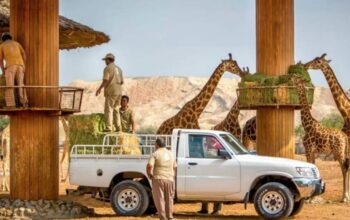
Mozambique’s geographical features contribute to its diverse ecosystem. The Indian Ocean coastline stretches for nearly 2,500 kilometres, making it a paradise for marine biodiversity. The provinces of Cabo Delgado and Niassa are known for their game reserves and unique wildlife, while the Zambezi River is vital for both transport and agriculture. These natural assets present opportunities for ecotourism and conservation efforts, aimed at preserving the country’s biodiversity amidst growing environmental threats.
Conclusion
In summary, Mozambique is a nation of immense potential marked by its rich cultural tapestry, economic growth, and geographical diversity. As it navigates the challenges of poverty and environmental concerns, the international community and local stakeholders must work together to ensure sustainable development that respects its heritage and environment. Mozambique’s journey towards a prosperous future is not only vital for its citizens but also for fostering global understanding and cooperation.