Introduction
Wizz Air, a leading low-cost airline based in Hungary, has been an instrumental player in reshaping air travel across Europe. Established in 2003, the airline has rapidly expanded its operations, providing accessible travel options to millions of passengers. The relevance of Wizz Air in the current aviation landscape is significant, particularly as the industry rebounds from the pandemic, showcasing a robust recovery and growing demand for affordable air travel.
Recent Developments
In the past year, Wizz Air has made headlines with several strategic initiatives aimed at expanding its footprint in the European airline market. In October 2023, the airline announced the addition of 10 new routes from its bases in London Luton and Budapest, further enhancing connectivity between regional centres and major cities. This move reflects Wizz Air’s commitment to offering greater travel options and serves to cater to increasing consumer demand for cost-effective travel solutions.
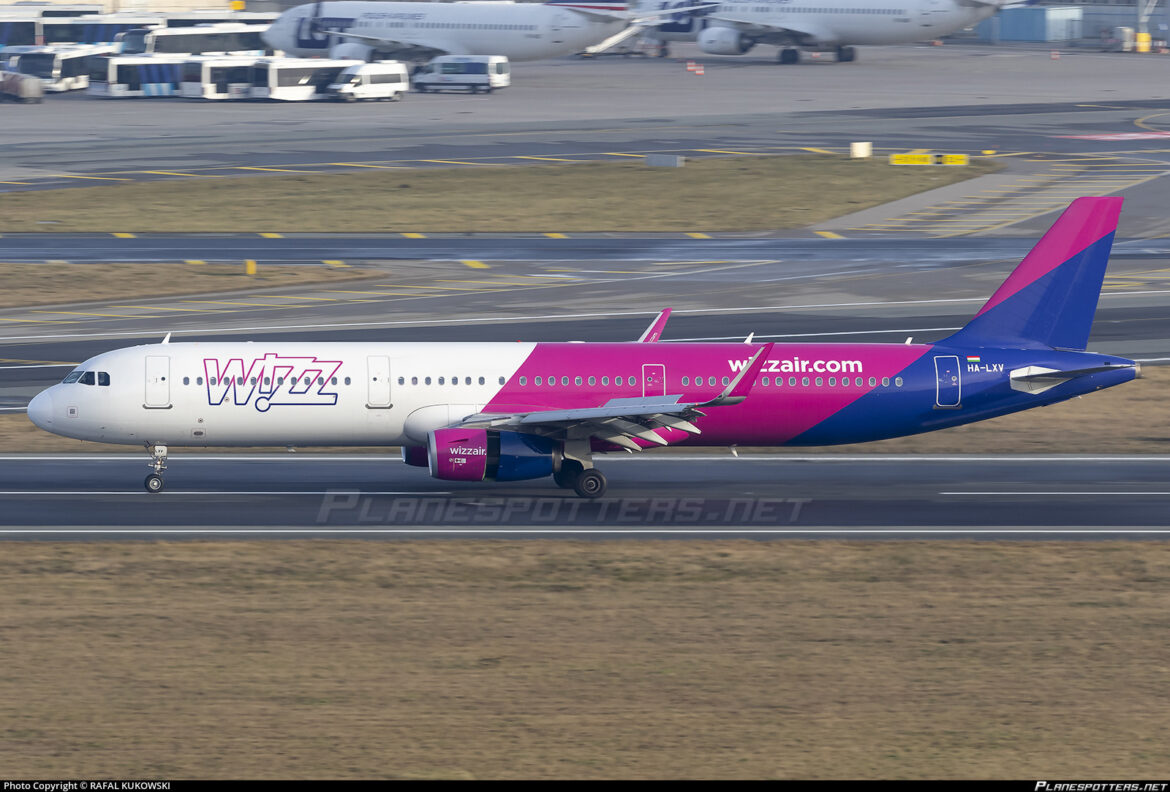
The airline’s fleet expansion is also noteworthy, with the introduction of new Airbus A321neo aircraft. These planes are not only more fuel-efficient but also increase passenger comfort, allowing Wizz Air to enhance its service quality while adhering to its low-cost model. The current fleet renewal initiative is anticipated to contribute to a reduction in operating costs and improved sustainability, aligning with the wider green initiatives being adopted across the aviation sector.
Market Trends and Consumer Impact
Wizz Air’s recent successes coincide with a broader trend within the airline industry, where low-cost carriers are capturing an increasing share of the market. According to industry reports, Wizz Air has seen a year-on-year passenger growth rate of approximately 23% as of September 2023, outperforming many of its competitors. This growth is indicative of consumers gravitating towards budget-friendly options, especially as travel costs rise globally.
The airline’s focus on maintaining low fares while expanding its service network positions it competitively as travel demand continues to recover post-pandemic. Furthermore, Wizz Air has introduced a flexible booking policy that allows customers to change their travel plans with fewer penalties—a crucial feature as unpredictability in travel remains a concern for consumers.
Conclusion
As Wizz Air moves forward, its strategic expansions, fleet upgrades, and consumer-centric policies will play a vital role in shaping its future in the competitive airline industry. With a focus on affordability and convenience, Wizz Air is not only poised for continued growth but is also reinforcing the significant role of low-cost airlines in enhancing global travel accessibility. For travellers seeking cost-effective flights, Wizz Air is likely to remain a preferred choice, facilitating memories and adventures across Europe and beyond.