Reaction from the field
The legacy of Fidel Castro looms large over Cuba, shaping not only its political landscape but also its socio-economic fabric. The most significant consequence of his rule has been the enduring impact on Cuba’s governance and international relations, particularly as the nation grapples with a humanitarian crisis exacerbated by economic challenges and external pressures.
Fidel Castro’s leadership, which began with the triumph of the revolution in 1959, set the stage for a one-party socialist state. His brother, Raúl Castro, who succeeded him in 2008, initiated a series of economic reforms aimed at revitalizing the stagnant economy. These reforms included the removal of wage restraints and the allowance of private enterprise, which were critical in addressing the dire economic conditions that had developed over decades. However, the impact of these changes has been mixed, with a reported 11 percent decline in GDP in 2020 and the laying off of 500,000 government employees as part of the reforms.
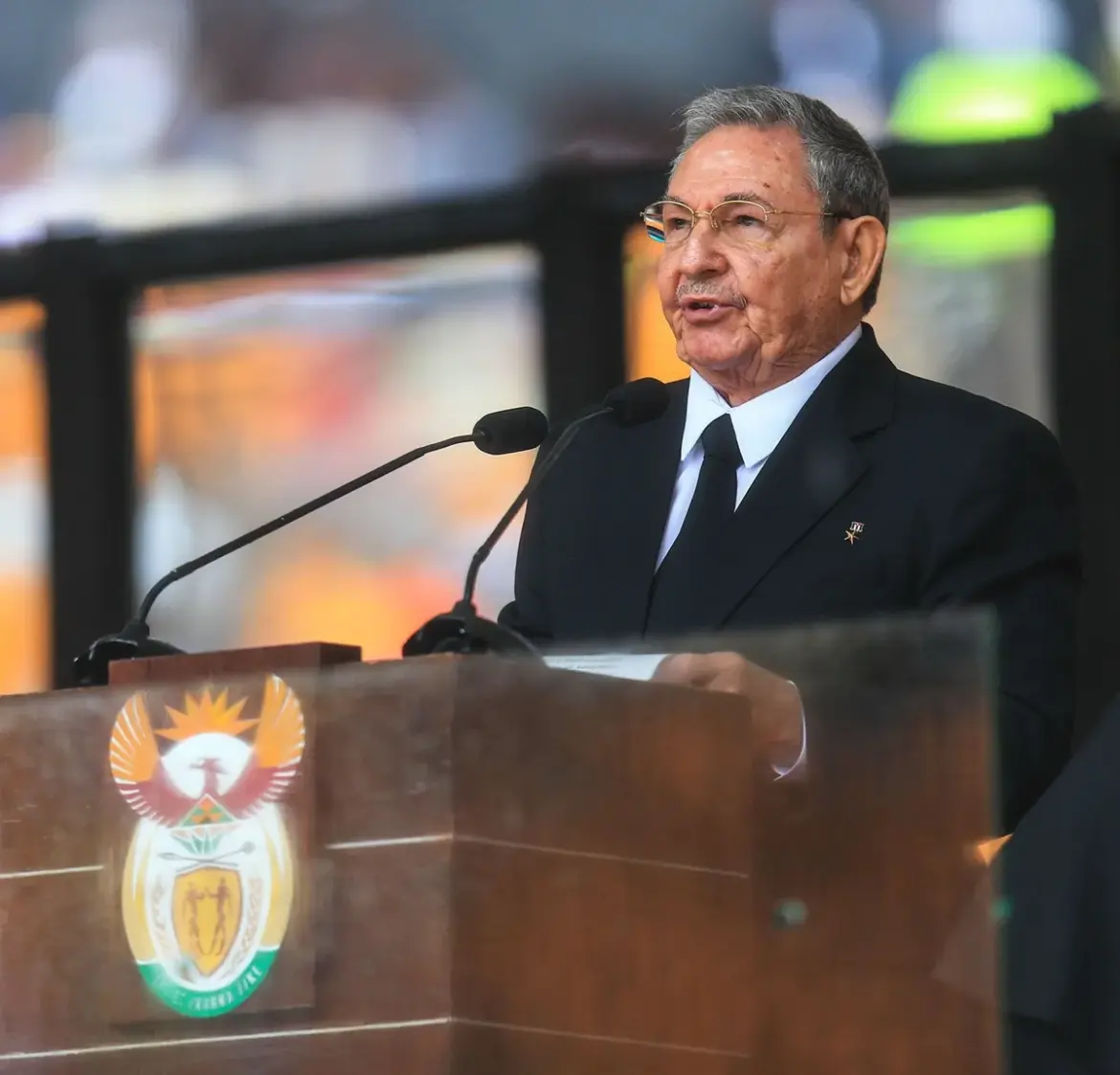
Raúl Castro’s leadership marked a significant transition in Cuba’s political landscape, particularly following Fidel Castro’s health issues and eventual retirement. Under Raúl, Cuba saw historic diplomatic overtures, notably the reopening of embassies and the re-establishment of relations with the United States during Barack Obama’s presidency. This thaw in relations, however, faced significant setbacks under Donald Trump’s administration, which reinstated economic sanctions and led to an oil blockade that contributed to nationwide blackouts.
As Cuba struggles with prolonged power outages and economic issues, the United Nations has warned of a looming humanitarian crisis. The health situation in Cuba is particularly concerning, with the World Health Organization noting that the delivery of health services is in peril. Tedros Adhanom Ghebreyesus, the WHO Director-General, highlighted the urgent need for international assistance, stating, “The health situation in Cuba was deeply concerning as the delivery of health services is in peril.”
Raúl Castro announced his retirement from the Communist Party in April 2021, marking a significant moment in Cuba’s political evolution. His departure from the political scene raises questions about the future direction of the country, especially as Miguel Díaz-Canel, who succeeded him, emphasizes the need for dialogue and common agendas to address the pressing issues facing the nation. Díaz-Canel stated, “First, we must build a channel for dialogue. Then, we must build common agendas of interests for the parties.”
Despite the reforms and attempts at dialogue, Cuba’s economic situation remains precarious. The country requires an estimated 94 million dollars to address the energy crisis and hurricane damage, reflecting the urgent need for external support. Furthermore, the majority of the Cuban population, approximately 70 percent, was born after the revolution, indicating a generational shift in perspectives and expectations regarding governance and economic opportunities.
As Cuba navigates these challenges, the legacy of Fidel Castro continues to influence its political discourse and societal dynamics. The uncertainties surrounding the future of Cuba’s leadership and its relationship with the international community remain palpable. Details remain unconfirmed regarding the potential for further reforms or shifts in policy direction as the nation seeks to stabilize its economy and improve living conditions for its citizens.