Rising Oil Prices Prompt G7 Discussion
On March 9, 2026, oil prices surged more than 25%, reaching their highest levels since mid-2022. This increase is primarily attributed to the ongoing conflict in the Middle East, which began on February 28, 2026, following U.S. and Israeli strikes on Iran.
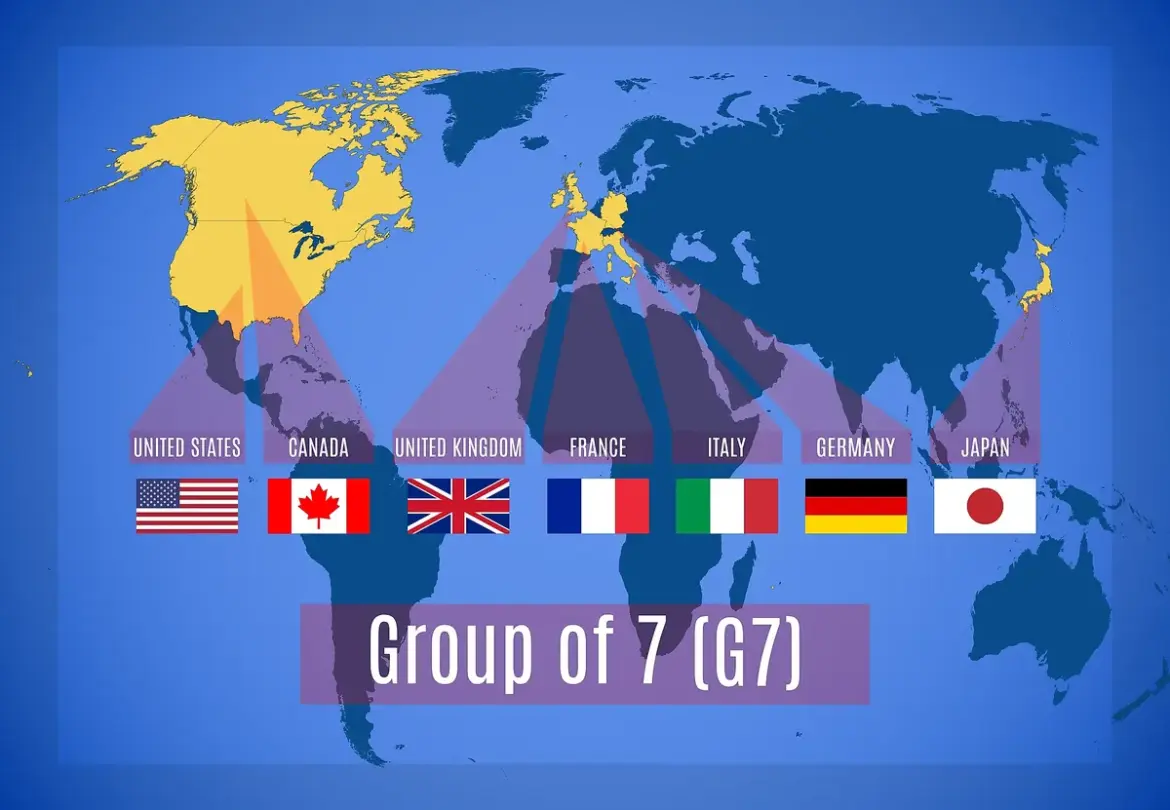
In response to these developments, the G7 Finance Ministers convened to discuss a potential joint release of oil from emergency reserves. Three G7 countries, including the U.S., have expressed support for this coordinated action, highlighting the urgency of addressing the escalating oil prices.
As of the latest reports, Brent crude prices peaked at $116.71 per barrel before easing slightly to $110, while WTI crude prices reached $116.45 per barrel before declining to $107. The significant rise in oil prices has raised concerns about global economic stability and the impact on consumers.
The International Energy Agency (IEA) member countries collectively hold over 1.24 billion barrels of public emergency reserves. Historically, the IEA has coordinated five collective releases of emergency oil stocks since its establishment, with the most recent instance occurring in 2022 following Russia’s invasion of Ukraine.
During the current discussions, proposals have emerged for a coordinated release of between 300 million and 400 million barrels from these reserves. Such a move could help alleviate some of the pressure on oil prices and stabilize the market.
Details remain unconfirmed regarding the exact amount of oil to be released and the timeline for this action. However, the potential release is seen as a crucial step for the G7 countries to mitigate the economic fallout from the Iran conflict.
The situation remains fluid, with the G7 countries closely monitoring the developments in the Middle East and their implications for global oil markets. The outcome of these discussions could have significant ramifications for both the economies of the G7 nations and the broader international community.
As negotiations continue, the focus will be on balancing the need for immediate relief in oil prices with the long-term strategies for energy security and stability among G7 countries.