Growing Opposition to Infantino’s Leadership
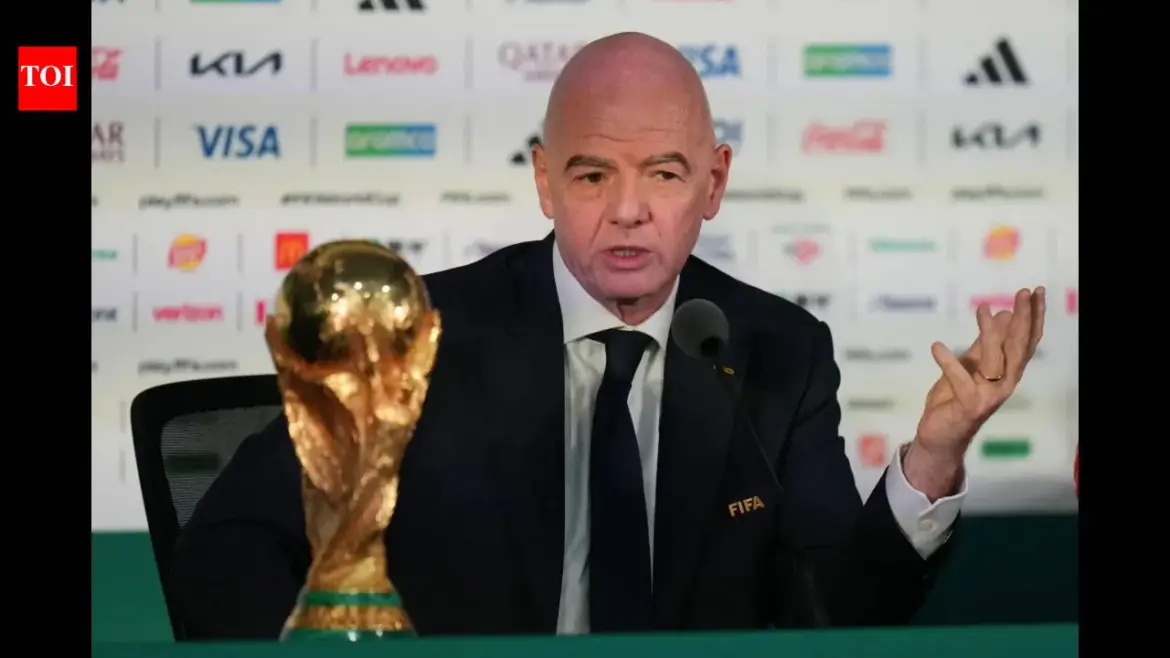
Gianni Infantino, the president of Fifa, is facing increasing opposition following his abandoned proposal to sell stakes in the World Cup and other competitions to private investors. While he was previously considered a strong candidate for re-election in March, the landscape has shifted significantly. A joint letter signed by Uefa, Concacaf, and the Asian Football Confederation (AFC) accused Infantino and Fifa of a “fundamental breach of trust through deception.” This coalition represents 136 member associations.
The three confederations emphasised that their opposition was not about financial matters or previously agreed competition decisions. Instead, they highlighted concerns regarding the integrity of football’s governing structures and the leadership within them. They argued that Fifa’s existing reserves should be distributed responsibly to strengthen investment in member associations, rather than pursuing the sale of World Cup profits to private equity investors.
The confederations also criticised Fifa’s approach to the controversy, stating that it was treated as a communication failure rather than a leadership and governance issue. They claimed the proposal was advanced on a compressed timeline without meaningful consultation, preventing member associations from properly examining its terms.
Confederation Splits and Potential Challengers
Despite the strong opposition, Infantino still retains support from some regions, particularly within Africa (Caf) and South America (Conmebol). These confederations have reportedly benefited from significant investment through the Fifa Forward programme since Infantino took office. However, even within the opposing confederations, there are dissenting members. For example, Bhutan, the Philippines, and the UAE within Asia have backed Infantino, and Mexico has supported him despite Concacaf’s stance.
The Oceania Football Confederation (OFC) has not made a public statement on the matter, and its members are awaiting a statement after an upcoming meeting. The situation in Asia is considered a potential swing region, as many associations have not yet declared their position. Saudi Arabia, which was awarded hosting rights for the 2034 World Cup under Infantino’s presidency, has also not taken a public stance, with its own football leadership elections in August potentially influencing its position.
The possibility of a challenger emerging against Infantino by the November deadline for candidates remains. Concacaf president Victor Montagliani has been mentioned as a potential candidate. If a unity candidate is found to oppose Infantino, the election would become a direct contest, requiring a simple majority of 106 votes to win.
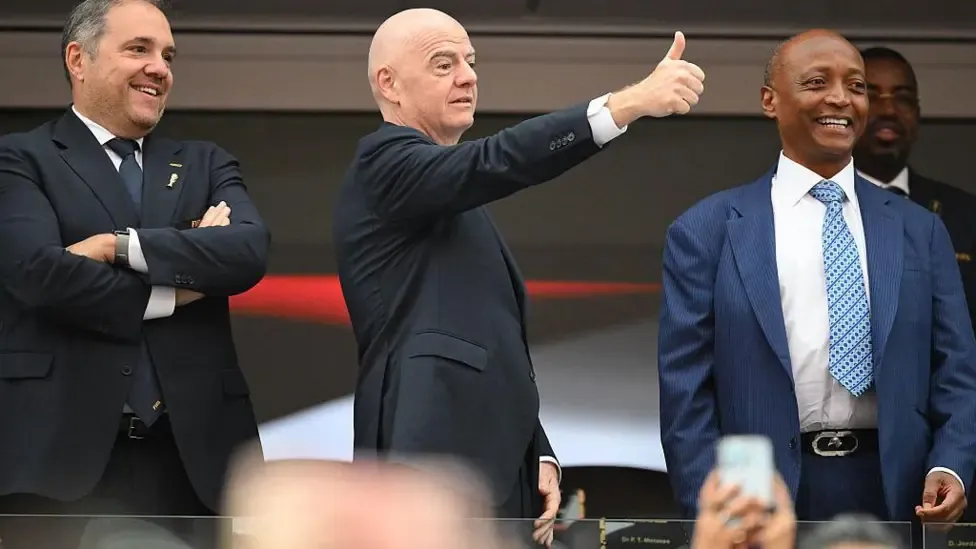
The Path Ahead for Fifa’s Leadership
Infantino has not indicated any intention to step down. However, there is a possibility that his tenure could conclude by the autumn if 19 of the 37 members of the Fifa Council call for an emergency meeting to force his resignation. The council’s composition includes nine members from Uefa, seven from AFC, six from Caf, five from Concacaf, five from Conmebol, and three from Oceania, along with Infantino and Fifa secretary general Mattias Grafstrom.
Given the council’s makeup, this approach is considered unlikely. Consequently, the focus remains on the potential for a candidate to stand against Infantino in the March election. The global picture is fluid due to emerging splits within confederations and the absence of a clear challenger to date.
The three confederations also questioned Fifa’s decision to conduct its own review of the situation, advocating instead for an independent third-party investigation. They pointed to a Fifa meeting in Morocco where, they stated, only one elected official was present and no Fifa Council members or member associations were invited to participate. Fifa, however, has defended Infantino, describing the criticism as a “concerted and ongoing effort” to undermine his leadership.
The statement from Uefa, Concacaf, and AFC concluded with a call for unity and leadership that serves football rather than seeking to control it, emphasising that when trust is broken through deception, the duty of leadership is abandoned.
Fifa’s management board backed Infantino after a meeting in Morocco last Wednesday, where he apologised for the process surrounding the World Cup proposal.
Source: bbc.com