India’s Semifinal Triumph
In a thrilling semifinal match of the 2026 T20 World Cup held in Mumbai, India triumphed over England by just 7 runs. Prior to this match, expectations were high for both teams, with India looking to defend their title as the reigning champions.
India posted an impressive total of 253 runs for 6 wickets, led by a remarkable performance from Sanju Samson, who scored 89 runs off 42 balls. England, however, fought back valiantly, finishing their innings at 246 runs for 7 wickets, but ultimately fell short.
Shifting Dynamics in Oil Imports
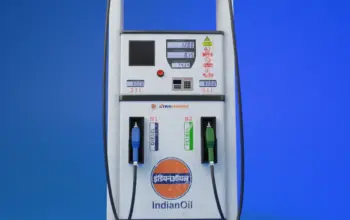
While the cricketing world celebrated India’s victory, significant changes were also unfolding in the geopolitical landscape. The U.S. recently granted India a 30-day reprieve to import Russian oil, a move that comes amid rising tensions and fluctuating global energy prices.
In January 2026, India imported $1.98 billion worth of crude oil from Russia, although Russia’s share in Indian oil imports has decreased to 19.3%. This shift reflects a broader trend, as India’s reliance on U.S. oil has increased, with imports from the U.S. reaching $11.6 billion from April 2025 to January 2026.
Expert Perspectives
Experts have weighed in on the implications of these developments. Scott Bessent remarked, “This stop-gap measure will alleviate pressure caused by Iran’s attempt to take global energy hostage.” Conversely, the Indian National Congress criticized the current government, stating, “The Government of India under Narendra Modi has led the country to a situation where the United States is now deciding where India can buy oil from and where it cannot.”
With over 55% of India’s oil imports passing through the Strait of Hormuz, any rise in oil prices could significantly impact inflation, with estimates suggesting a potential increase of 0.2-0.25 percentage points for every $10 rise in oil prices.
Looking Ahead
As India prepares to face New Zealand in the final of the T20 World Cup, the nation is not only focused on cricket but also navigating complex energy dynamics. With 25 days of crude oil reserves in hand, India is poised to manage its energy needs while aiming for a record third T20 World Cup title.
Details remain unconfirmed regarding the long-term implications of these oil import changes, but the intersection of sports and geopolitics continues to shape India’s narrative on the global stage.