Who is involved
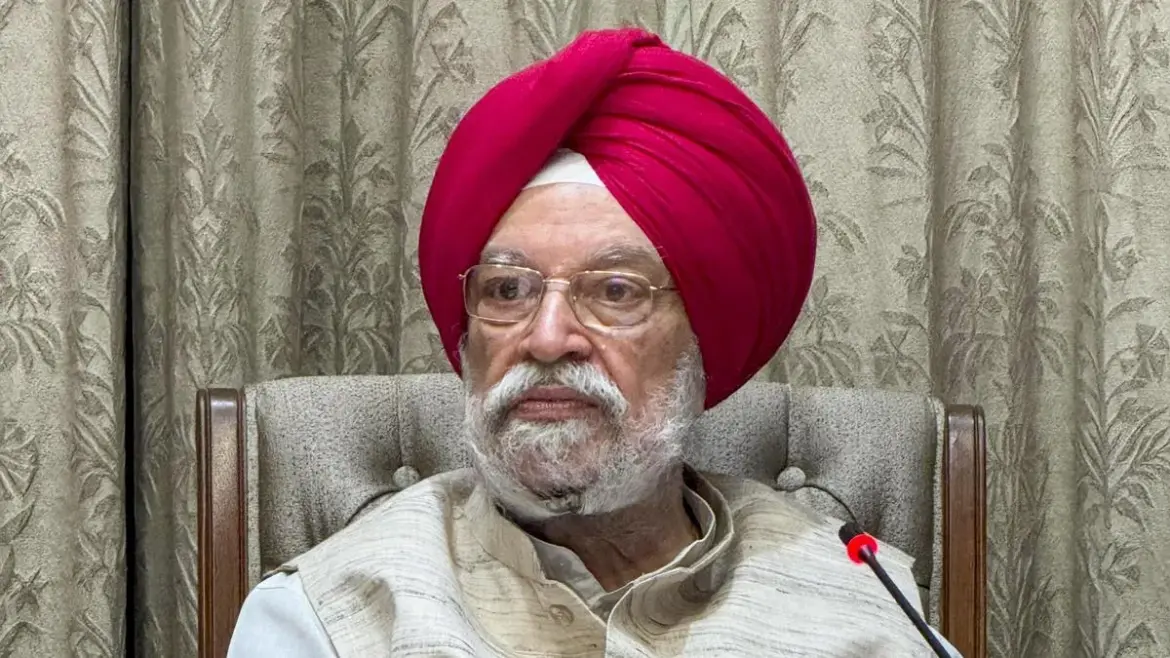
In the wake of global uncertainties and rising tensions, particularly due to the ongoing conflict in West Asia, the Indian government has taken a firm stance against the possibility of a new lockdown. Union Minister Hardeep Singh Puri has explicitly stated that there is no proposal for a lockdown in India, while Finance Minister Nirmala Sitharaman has reassured the public that there will be no repeat of the stringent measures seen during the Covid-19 pandemic. These statements come as a relief to many who remember the nationwide lockdown announced on March 24, 2020, which drastically altered daily life across the country.
The decisive moment in this narrative occurred as rumors began to circulate regarding a potential lockdown, driven largely by public anxiety and memories of the 2020 experience. The spike in online searches for ‘lockdown in India’ indicates a lingering fear among citizens, despite the fact that as of February 2, 2026, there are only seven active Covid-19 infections reported in the country. This stark contrast to the past highlights the ongoing struggle between public perception and government assurances.
The immediate effects of these reassurances are multifaceted. On one hand, government officials have dismissed the rumors as baseless, which may help to stabilize public sentiment and prevent panic buying or other disruptive behaviors. On the other hand, the government is actively monitoring developments in global supply chains and energy flows, particularly due to the critical nature of the Strait of Hormuz, through which nearly 20% of the world’s oil and gas supplies pass. Prime Minister Modi has warned that serious consequences could arise if global disruptions persist, emphasizing the need for vigilance.
Expert voices within the government emphasize the importance of resilience in the face of these challenges. Modi stated, “India is therefore accelerating all the resilience-building measures that have been undertaken over the past years.” This sentiment reflects a broader strategy to ensure that the nation can withstand external shocks without resorting to drastic measures like lockdowns. The government’s proactive approach aims to maintain uninterrupted availability of fuel and energy supplies, which is crucial for economic stability.
As the situation evolves, the Indian government remains committed to transparency and communication with the public. Officials have reiterated their dedication to monitoring the global situation closely, with Hardeep Singh Puri stating, “The global situation remains in flux, and we are closely monitoring developments.” This acknowledgment of the dynamic nature of global events underscores the complexity of governance in a world where external factors can have immediate domestic implications.
The historical context of the nationwide lockdown in 2020 serves as a reminder of the drastic measures that can be taken in times of crisis. However, the current landscape is markedly different, with the government demonstrating a clear intent to avoid repeating past mistakes. The resilience shown by India in the face of global uncertainties is a testament to the lessons learned from previous experiences.
In summary, while the specter of a lockdown looms in the minds of many, the Indian government has taken definitive steps to reassure its citizens. With a focus on resilience and proactive measures, officials are working to navigate the complexities of a world still grappling with the aftereffects of the pandemic and ongoing geopolitical tensions. Details remain unconfirmed regarding future developments, but the current narrative suggests a commitment to stability and continuity in governance.