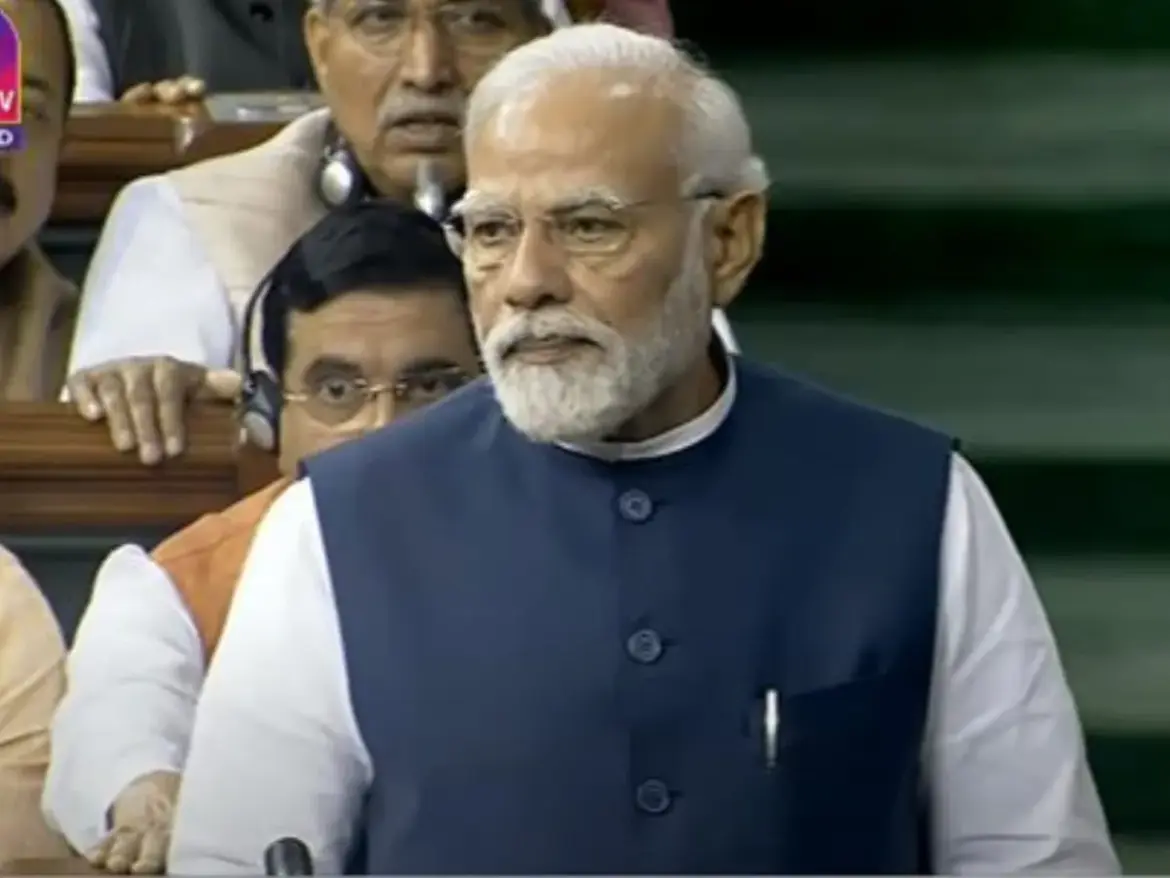
Reaction from the field
In a pivotal moment for India, Prime Minister Narendra Modi’s administration is showcasing its commitment to climate action while simultaneously tightening regulations on non-governmental organizations (NGOs). This dual approach not only highlights India’s growing influence on the global stage but also underscores the government’s resolve to manage foreign funding effectively amidst rising geopolitical tensions, particularly in West Asia.
The stakes are high as Modi emphasized that India’s diplomatic strategies during recent crises in West Asia reflect its strength in building relationships and managing complex situations. This assertion comes at a time when India is striving to position itself as a key player in international affairs, balancing its economic growth with environmental responsibilities.
On the climate front, India has made ambitious commitments to reduce the emissions intensity of its GDP by 47 percent by 2035 from 2005 levels. This pledge is part of a broader strategy that includes achieving 60 percent of its cumulative electric power installed capacity from non-fossil fuel-based energy resources by the same year. Additionally, the government aims to create a carbon sink of 3.5 to 4.0 billion tonnes of CO₂ equivalent through enhanced forest and tree cover, reinforcing its dedication to sustainable development.
The Union Cabinet has also approved India’s Nationally Determined Contribution (NDC) for the period 2031 to 2035, marking a significant step in its climate action framework. This initiative is operationalized through the National Action Plan on Climate Change (NAPCC) and its nine national missions, which serve as a blueprint for India’s environmental policies.
Simultaneously, the government is taking a firmer stance on the regulation of NGOs through the Foreign Contribution (Regulation) Amendment Bill, 2026. This legislation aims to enhance government oversight of NGOs, which currently number around 16,000 and receive approximately ₹22,000 crore ($2.6 billion) in foreign contributions annually. The proposed bill allows the government to take control of the assets of NGOs whose FCRA registration is revoked or not renewed, a move that has raised concerns among civil society groups.
Nityanand Rai, the Minister of State for Home Affairs, stated, “The Modi government will not tolerate any misutilisation of foreign funding and will take strong action against such elements.” This statement reflects the government’s intent to ensure that foreign contributions are utilized appropriately, amidst fears of misuse that could undermine national interests.
As these developments unfold, uncertainties remain regarding the implications of the new NGO regulations on civil society and the effectiveness of India’s climate initiatives in the face of rapid industrialization. Details remain unconfirmed, but the potential for increased scrutiny of NGOs could alter the landscape of civil engagement in India.
Looking ahead, further developments are expected as India navigates its dual commitment to climate action and regulatory oversight. The government’s ability to balance these priorities will be crucial in shaping its international reputation and domestic stability in the coming years.