Significant Impact on LPG Booking System
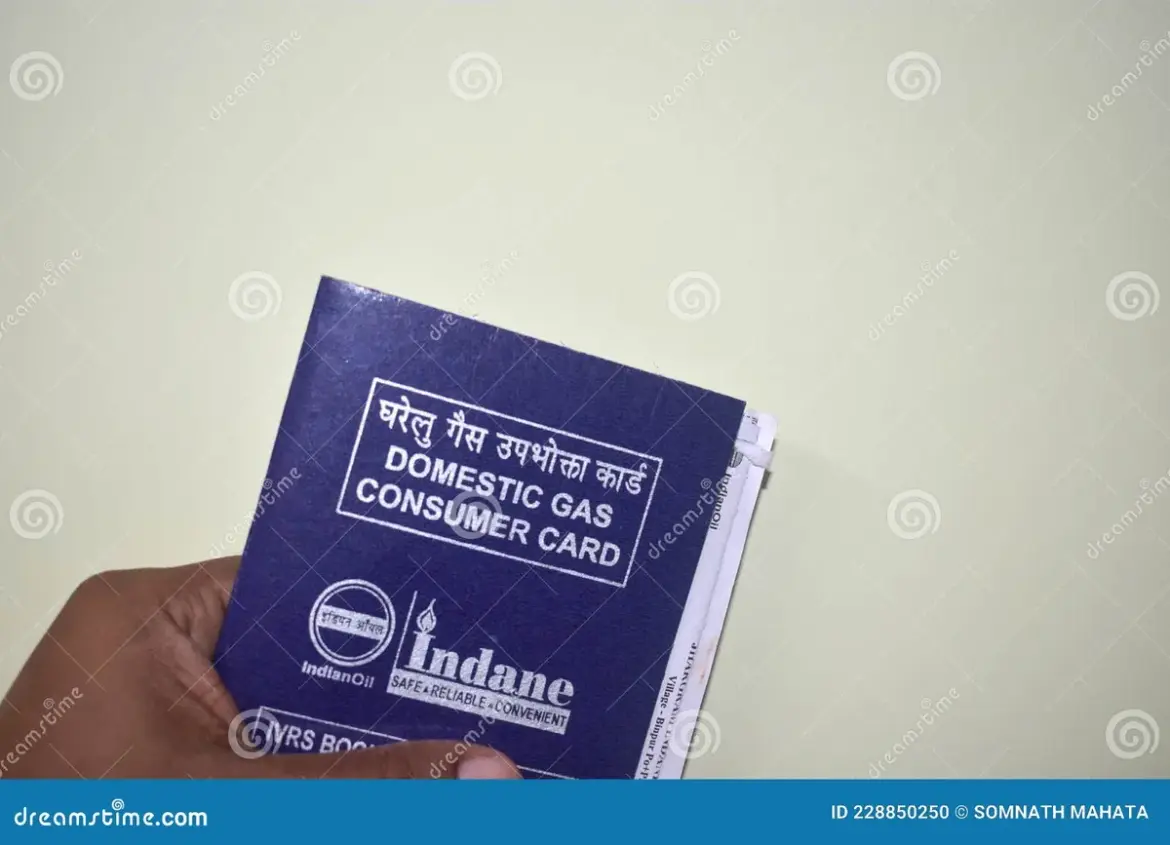
The Indian oil gas booking system has encountered a major crisis as the demand for LPG cylinders has surged dramatically. Indane’s LPG refill booking system has crashed nationwide, primarily due to an overwhelming increase in customer calls.
The volume of calls to Indane’s IVRS and missed call booking numbers has surged to 8-10 times the usual levels. This unprecedented situation has resulted in longer wait times for customers seeking to book their LPG cylinder refills.
Causes of the Crisis
The crisis was triggered by recent government policy changes that led to a spike in LPG gas booking volumes, skyrocketing to 10 times the daily average. In response to the increased demand, the government has raised the minimum waiting period for booking a domestic LPG cylinder refill from 21 days to 25 days.
Currently, the supply of domestic cylinders has been reduced by 50%, while demand has surged by an equal percentage. This imbalance has left many customers frustrated as they face extended wait times for their bookings.
Price Increases and Supply Challenges
In addition to the delays, the price of a standard 14.2 kg LPG gas cylinder in Delhi has risen to ₹913, reflecting an increase of ₹60. The rising costs are compounded by the fact that 60% of India’s LPG needs are met through imports, which are currently delayed due to geopolitical tensions.
Despite prioritizing domestic production, the supply chain remains strained. A distributor in Bengaluru noted that their vendor invoice management system is also down, further complicating the situation.
Consumers have expressed their frustrations, with one individual from Madipakkam stating that the IVR system kept repeating its message, leaving them unable to book their cylinders. An employee at an Indane distribution center reported that people were anxious and crowded the office with their empty cylinders in hopes of obtaining new ones.
As the situation develops, the full extent of the impact on the Indian oil gas booking system remains uncertain. Details remain unconfirmed regarding how long these disruptions will last and what further measures may be implemented to alleviate the crisis.