Introduction
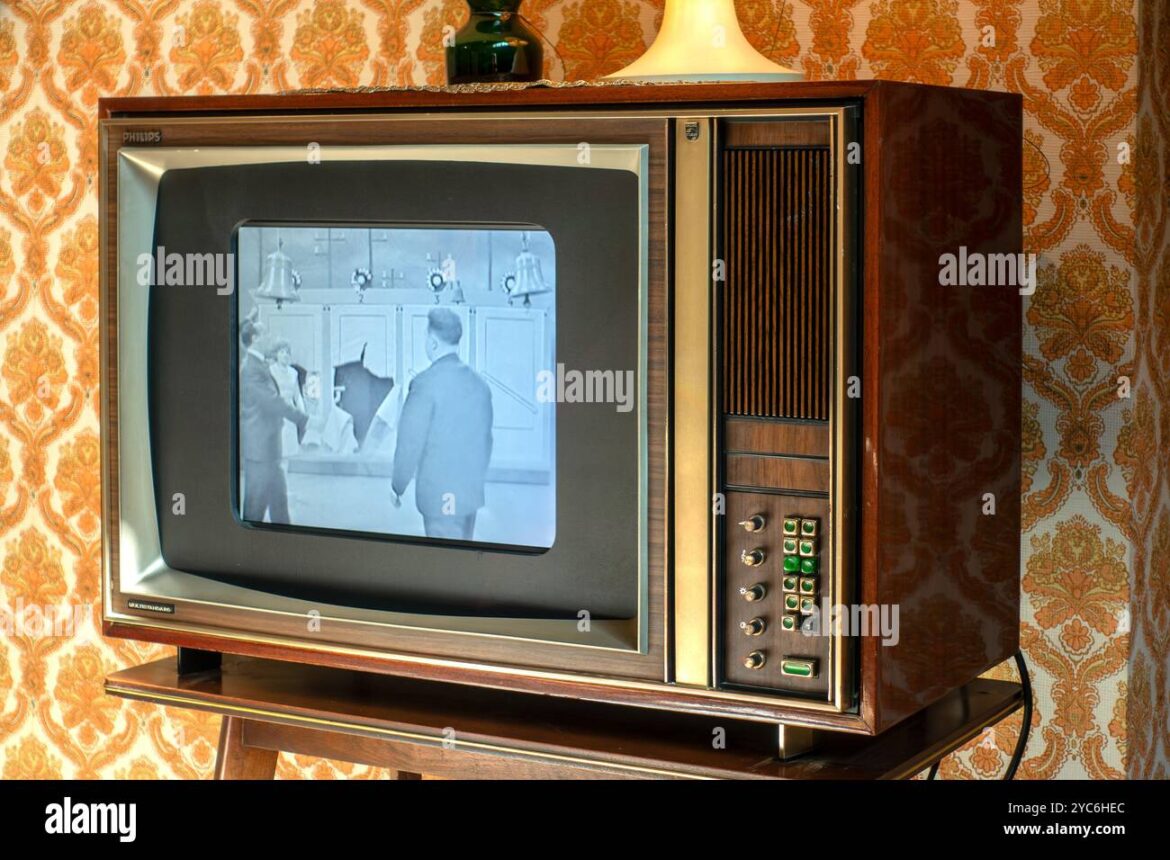
The television has undergone significant transformations since its inception, evolving from bulky sets with limited channels to sleek, smart devices that offer an array of streaming services. As technology advances, television continues to play a central role in entertainment, shaping how we consume content. The relevance of television today hinges on its adaptability to new trends, including streaming, interactive features, and enhanced viewing experiences.
Recent Innovations in Television Technology
One of the most significant shifts in television is the transition to 4K and 8K resolution. These ultra-high-definition formats provide sharper images and more vibrant colours, significantly enhancing viewing quality. According to a report by Statista, the global 4K television market is projected to reach 120 million units by 2025. This rising demand is driven by the increasing availability of 4K content across various streaming platforms, including Netflix and Amazon Prime Video.
Moreover, smart televisions are now equipped with integrated streaming services, voice control, and artificial intelligence, making them more user-friendly. Features such as virtual assistants can control TV settings and recommend shows based on viewing history. According to a recent survey by the Consumer Technology Association, over 60% of US households own a smart television, highlighting a shift towards connected home entertainment systems.
The Streaming Era and Content Accessibility
The rise of streaming services has profoundly impacted traditional television viewing. With platforms like Disney+, Hulu, and HBO Max, viewers now have access to an extensive library of shows and movies, often incorporating original content that competes with conventional broadcasting. As reported by PwC, streaming subscriptions are expected to surpass 1 billion globally by 2023, indicating a marked preference for on-demand content.
Additionally, the ongoing impact of the COVID-19 pandemic has accelerated the shift towards binge-watching patterns, changing how producers create serialized content. As more audiences turn to these platforms, traditional TV networks are challenged to adapt by embracing new strategies, such as hybrid models that incorporate both live broadcasting and streaming options.
Conclusion
As television technology continues to innovate, it remains an integral part of modern entertainment culture. The convergence of streaming and smart tech paints a promising picture for television’s future, ensuring it will remain relevant as viewer preferences evolve. As we look ahead, the ability to blend traditional broadcasting with on-demand content will likely shape the next generation of television, enhancing how we connect with stories and information. For readers and consumers, this shift provides exciting opportunities to experience creativity and media in unprecedented ways.