Introduction
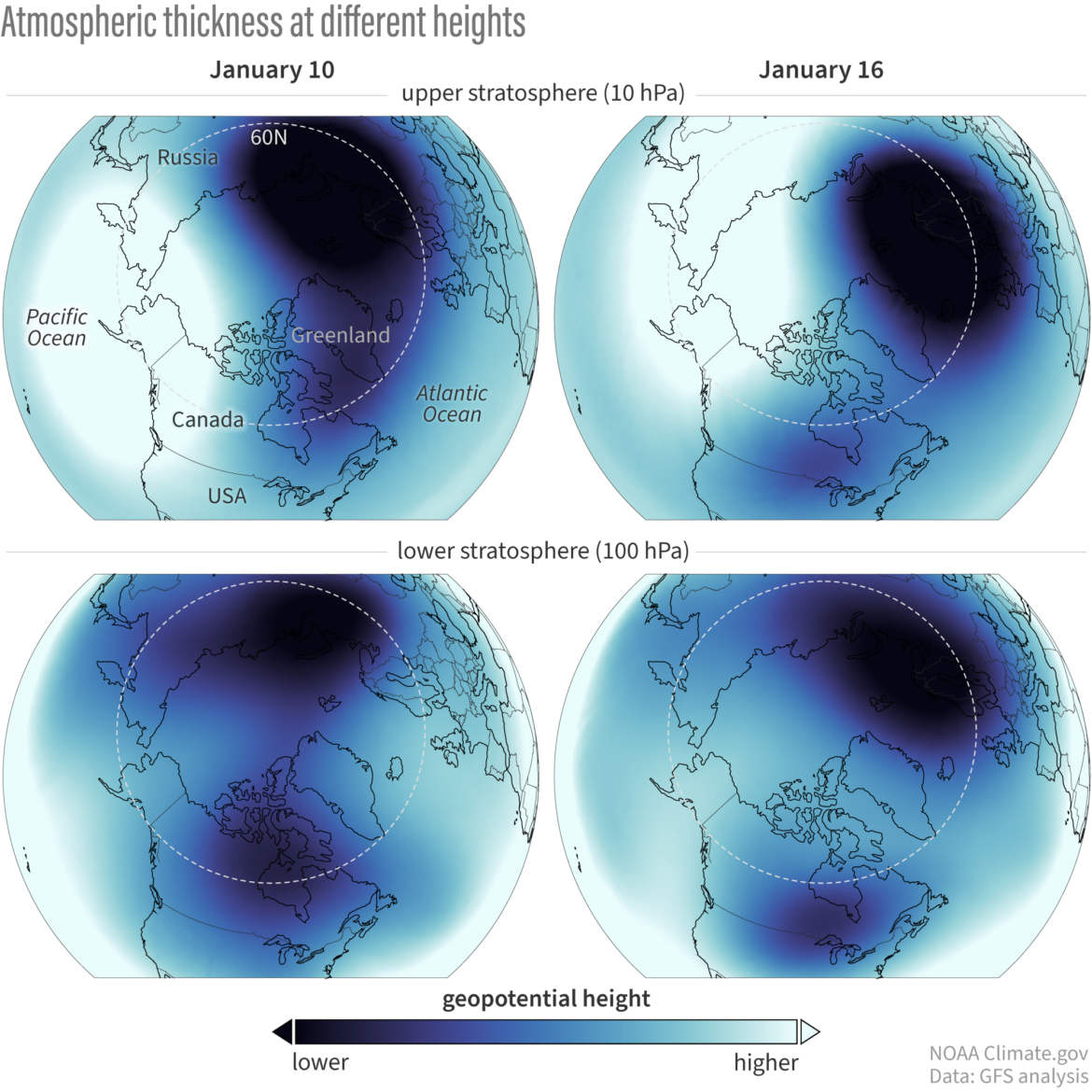
The polar vortex is a large area of low pressure and cold air surrounding the Earth’s poles. Its stability is essential for maintaining typical winter weather patterns in the Northern Hemisphere. Recently, meteorologists have raised concerns about the potential split of the polar vortex, a phenomenon that can lead to extreme weather conditions, including severe cold and significant snowfall across large parts of North America and Europe. Understanding this forecast is crucial for anticipating how frigid conditions may affect millions this winter.
What is a Polar Vortex Split?
A polar vortex split occurs when the stable circulation of the polar vortex is disrupted, causing the cold air to escape from the usual polar regions and plunge southwards. This split can lead to the formation of what meteorologists refer to as ‘Arctic outbreaks,’ which are characterized by drastic temperature drops in mid-latitude regions. With climate variability becoming more pronounced, the frequency and intensity of polar vortex splits have garnered significant attention from climatologists.
Current Forecast and Predictions
As of October 2023, several weather models indicate a potential split in the polar vortex looming late this month. Forecasts suggest that by early November, temperatures may begin to plummet across the northeastern United States as the cold air mass shifts southward. The European Centre for Medium-Range Weather Forecasts (ECMWF) has documented signs of a weakened polar vortex, and some climate experts speculate that the split could be exacerbated by warmer sea surface temperatures in the North Atlantic.
Recent data from the National Oceanic and Atmospheric Administration (NOAA) supports these predictions, showing fluctuations in the jet stream that could further influence winter weather patterns. Regions like the Midwest and the Great Lakes may experience harsher conditions than usual, while areas to the south could see increased precipitation, including possible winter storms.
Conclusion
While the polar vortex split forecast introduces uncertainties, it also serves as a reminder of the intricate relationship between atmospheric dynamics and winter weather. Residents in affected regions are encouraged to stay informed and prepare for potential temperature drops and severe weather events. As we move deeper into the winter months, meteorologists will continue to monitor the polar vortex closely. For readers, understanding these phenomena can provide insights into how climate patterns evolve and their real-world impacts on daily life.