How it unfolded
In early April 2026, the geopolitical landscape surrounding Iran and the Strait of Hormuz became increasingly fraught with tension. Just before the key development on April 5, the situation had been deteriorating for months, with military operations and diplomatic negotiations occurring simultaneously. The Strait of Hormuz, a vital waterway for global oil shipments, became the focal point of a standoff between the United States and Iran.
On April 5, President Donald Trump issued a stark ultimatum to Iran, demanding that they reopen the Strait of Hormuz by a self-imposed Tuesday deadline or face military strikes. His aggressive rhetoric included a warning: “Open the F*****’ Strait, you crazy b*******, or you’ll be living in Hell – JUST WATCH! Praise be to Allah.” This statement underscored the high stakes involved, not only for Iran but for global energy markets and regional stability.
In response, Iranian officials displayed defiance, with a spokesperson stating that they had “lost the keys” to the Strait, indicating a refusal to comply with Trump’s demands. This defiance was compounded by threats from Iran to restrict access to the Bab el-Mandeb Strait if attacked by the U.S. or Israel, further escalating the potential for conflict.
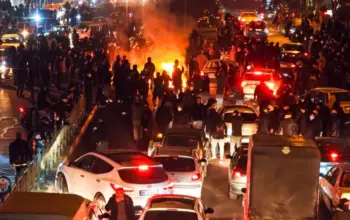
As tensions mounted, Iran’s joint military command warned of increased attacks on regional oil and civilian infrastructure. This warning was not unfounded; airstrikes had already hit Tehran, resulting in explosions in civilian areas, including Qom, where five people were killed. The situation was exacerbated by Iran downing a U.S. F-15E fighter jet, which led to a complex rescue operation involving multiple aircraft.
The Iranian U.N. mission condemned Trump’s threats, labeling them as “clear evidence of intent to commit war crime.” This statement highlighted the international implications of the escalating conflict, as diplomatic efforts continued to unfold, with Oman and other regional powers attempting to mediate the crisis.
As of now, the situation remains dire. Reports indicate that more than 1,900 people have been killed in Iran since the onset of the war, with casualties also rising in neighboring countries. In Lebanon, for instance, 1,400 people have died since the conflict began, and four were killed due to an Israeli strike. The humanitarian toll is staggering, with civilians bearing the brunt of the violence.
Iranian officials have linked the reopening of the Strait to compensation for war damages, indicating that the path to de-escalation may be fraught with challenges. Meanwhile, the U.S. has threatened to target Iran’s power plants and bridges, further complicating the potential for diplomatic resolutions. Details remain unconfirmed regarding the exact number of casualties and the status of ongoing military operations.
This sequence of events matters significantly for all involved. For Iran, the control of the Strait of Hormuz is not just a matter of national pride but a crucial component of its economic survival. For the U.S. and its allies, maintaining open shipping lanes is vital for global trade and energy security. As the world watches, the stakes continue to rise, and the potential for a broader conflict looms ever larger.