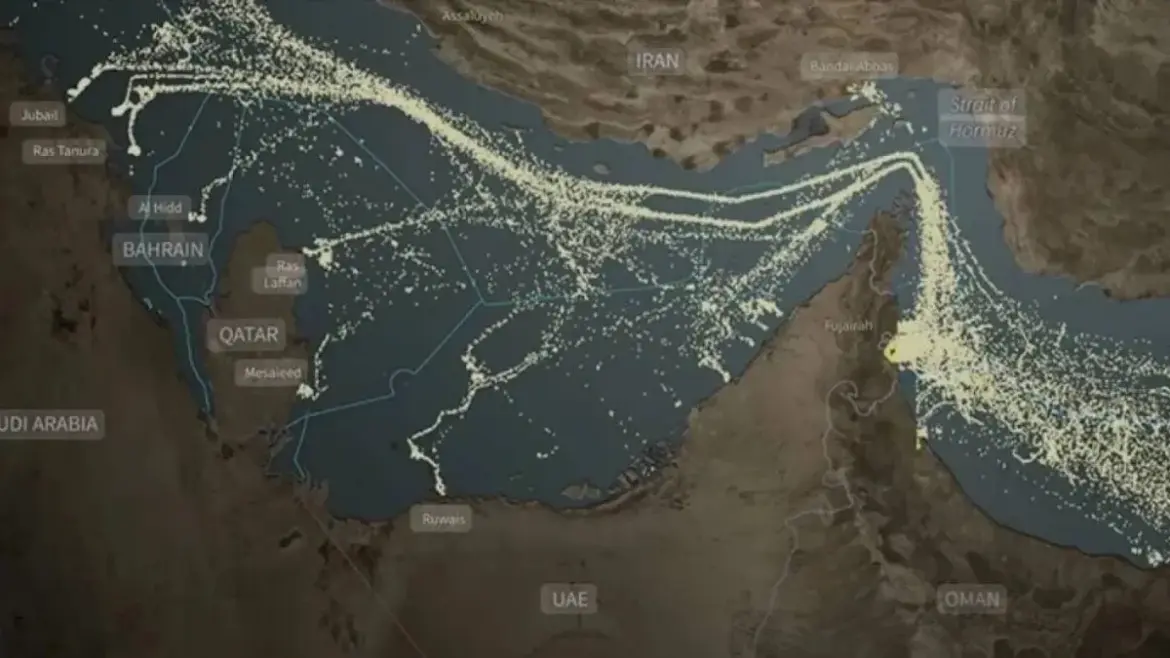
The Strait of Hormuz, a critical maritime passage linking the Persian Gulf with the Arabian Sea, has long been a focal point for global oil and LNG shipments. Historically, it has facilitated a significant portion of the world’s energy supply, making its security paramount for many nations.
Prior Expectations
Before recent developments, there was a general expectation that the Strait would remain open, allowing for the uninterrupted transit of oil tankers. However, tensions in the region have been mounting, raising concerns about potential disruptions.
Decisive Changes
On March 6, 2026, Iran’s Deputy Foreign Minister stated unequivocally that the Strait of Hormuz had not been closed, countering rumors that it might be shut down. He emphasized, “We have not yet closed the Strait of Hormuz. If we are going to close it, we are going to announce it… It has not been closed by us. We have no intention to do it until further notice.” This statement came amid reports of significant disruptions in maritime activity.
Immediate Effects
Despite Iran’s assurances, the conflict has led to approximately 300 oil tankers becoming stranded in the Strait area. The situation has caused crude prices to surge by more than 15 percent since the fighting began, reflecting the market’s anxiety over potential supply shortages. On March 1, only four crude tankers transited the Strait, a stark contrast to the average of 24 daily transits recorded since January.
Expert Perspectives
The Islamic Revolutionary Guard Corps has asserted that during times of conflict, passage through the Strait will be controlled by Iran. This statement underscores the heightened military presence and the potential for further escalation in the region. Seyed Abbas Araghchi, an Iranian official, criticized the United States for its actions, stating, “The US has perpetrated an atrocity at sea… Frigate Dena, a guest of India’s Navy carrying almost 130 sailors, was struck in international waters without warning.”
Future Uncertainties
Details remain unconfirmed regarding the exact timeline for the reopening of the Strait of Hormuz. Additionally, it is uncertain how ongoing negotiations between China and Iran for safe oil and LNG passage will influence shipping through this vital corridor. The situation remains fluid, and stakeholders are closely monitoring developments.