Recent Developments in the Iran-Israel War
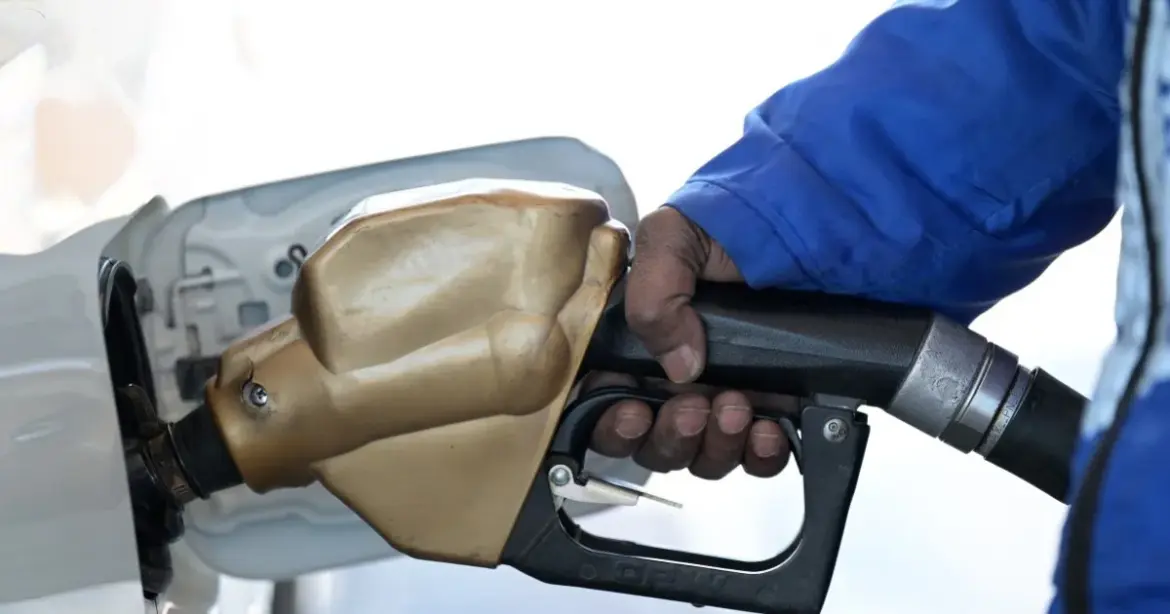
As the Iran-Israel war continues to unfold, significant disruptions in oil supply have been reported, particularly through the crucial Strait of Hormuz. This situation has led to a volatile environment for global gas prices.
On March 10, 2026, crude oil prices experienced a sharp decline, with Brent crude prices plunging 17 percent to below $80 a barrel before rebounding to near $90. This volatility reflects the market’s response to perceived risks associated with the ongoing conflict.
Impact on Gas Prices
In the United States, petroleum prices have risen approximately 17 percent since the start of the war, indicating a direct correlation between the conflict and rising energy costs. The International Energy Agency is now considering the largest release of oil reserves in its history to stabilize the market.
In India, the war has raised fears of a serious liquefied petroleum gas (LPG) crisis. The country, which relies heavily on imports for its LPG needs—90 percent of its consumption—is facing a potential supply gap of 2 million tonnes.
Government Response in India
To address the situation, the Indian government has invoked the Essential Commodities Act to ensure equitable distribution of LPG. The Centre is securing 1 million tonnes of LPG from the United States to mitigate shortages.
Restaurants in major cities like Chennai, Mumbai, and Bengaluru are at risk of shutting down due to LPG shortages, with the National Restaurant Association of India highlighting the discrepancy between government assurances and ground realities. “As per articles [in the media], the government has clarified that there is no ban on the supply of commercial LPG cylinders for the restaurant industry… but the ground situation is different,” the association stated.
Current State and Future Uncertainties
Currently, the market is grappling with the implications of the ongoing conflict. M.K. Stalin, a prominent political figure, emphasized the need for the Union government to ensure that the LPG cylinder shortage does not adversely affect public and commercial sectors in Tamil Nadu.
Details remain unconfirmed regarding the exact duration of the war and its long-term impact on oil prices. The effectiveness of government measures to address the LPG shortage also remains uncertain, leaving many in the industry anxious about the future.
As Chad Norville noted, “What we saw this week was the market briefly treating that risk as real and repricing supply disruption in earnest.” The situation continues to evolve, with stakeholders closely monitoring developments in the region.