Background and Expectations
Before the recent developments, Ali Khamenei, the long-standing Supreme Leader of Iran, had been a central figure in the country’s political landscape. His leadership was characterized by a firm grip on power and a strong influence over the Islamic Revolutionary Guards Corps (IRGC). Expectations were that he would continue to lead Iran through its complex geopolitical challenges, particularly in the face of ongoing tensions with Israel and the West.
A Decisive Moment
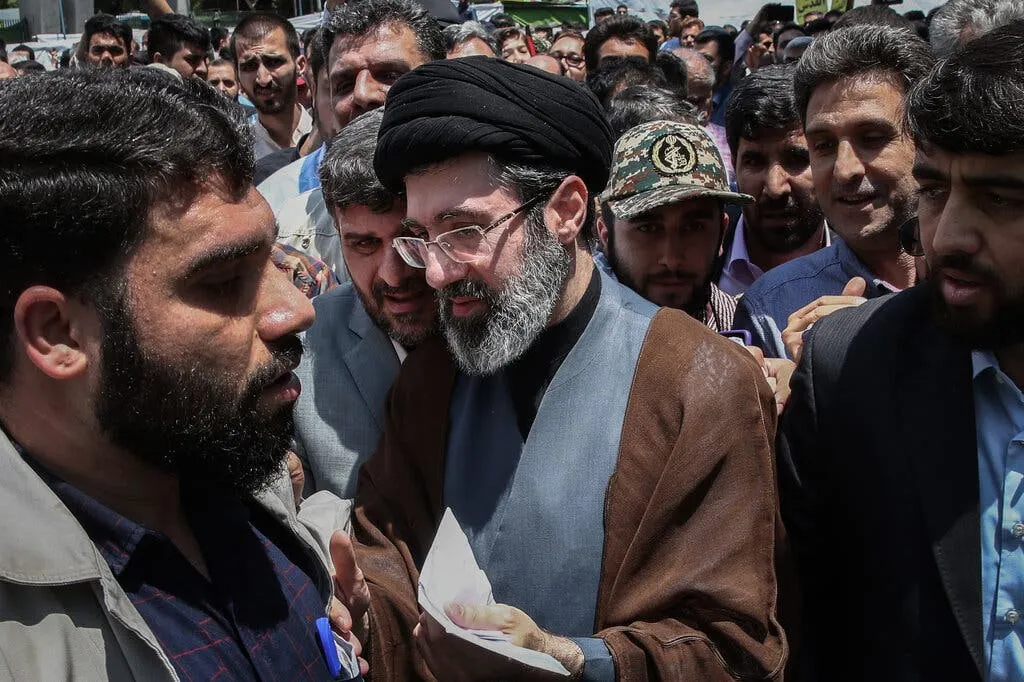
However, the situation took a dramatic turn on February 28, 2026, when an Israeli airstrike targeted the Khamenei family, resulting in the death of Ali Khamenei and other family members, including Mojtaba Khamenei’s mother and wife. In the aftermath of this tragic event, Mojtaba Khamenei was appointed as Iran’s Supreme Leader on March 8, 2026. Reports indicate that he was injured in the airstrike, with Israeli intelligence suggesting he suffered leg injuries. Iranian officials have stated that he is safe but has not been seen in public since his appointment.
Immediate Effects on Leadership
The IRGC and military forces quickly pledged their allegiance to Mojtaba Khamenei following his nomination, indicating a desire for continuity in leadership despite the upheaval. However, the public’s reaction has been mixed, with reports of opposition manifesting in protests, including cries of “Death to Mojtaba!” in Tehran. This public dissent highlights the challenges he faces in consolidating power and gaining acceptance as the new Supreme Leader.
Health Concerns and Speculation
As Mojtaba Khamenei navigates his new role, concerns about his health have arisen, with speculation suggesting he may be in a coma. Yousef Pezeshkian, an Iranian politician, reassured the public by stating, “I heard news that Mr. Mojtaba Khamenei had been injured. I have asked some friends who had connections. They told me that, thank God, he is safe and sound.” Nevertheless, the full extent of his injuries remains unclear, and uncertainties loom over his ability to fulfill the duties of Supreme Leader.
Expert Perspectives
Experts have weighed in on the implications of this leadership change. Emile Hokayem noted, “Killing him early is certainly an Israeli priority. If he survives, he becomes a totem, a testimony to the resilience of the system.” This perspective underscores the potential for Mojtaba Khamenei’s survival to symbolize strength amidst adversity, while also highlighting the precarious nature of his position.
Political Ramifications
The political landscape in Iran is shifting as the new Supreme Leader attempts to establish his authority. The IRGC’s support is crucial, yet the public’s growing discontent poses a significant challenge. As one Iranian journalist remarked, “The important point is the management of the country,” indicating that effective governance will be essential for Mojtaba Khamenei to gain legitimacy.
Looking Ahead
As the situation unfolds, the uncertainties surrounding Mojtaba Khamenei’s health and leadership capabilities will be closely monitored. Details remain unconfirmed regarding how long he will remain out of public view and whether he may need to delegate power to other officials due to his injuries. The coming weeks will be critical in determining the future of Iran’s leadership and the stability of its political environment.