Iranian President Apologizes
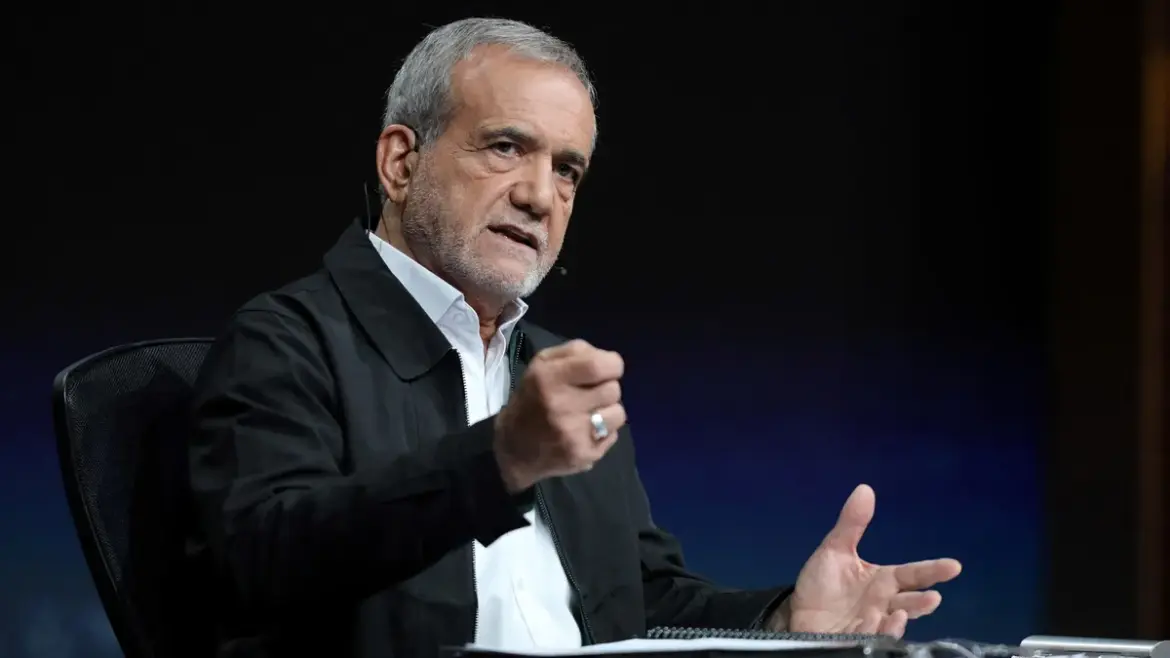
On March 8, 2026, Iranian President Masoud Pezeshkian publicly apologized to neighboring countries for recent military strikes that have heightened tensions in the region. In a statement, Pezeshkian emphasized, “I apologise to the neighbouring countries. We have no intention of invading other countries.” This apology comes amidst a backdrop of escalating conflict, particularly involving US and Israeli military actions against Iranian targets.
Immediate Circumstances
Pezeshkian’s remarks were made following a series of retaliatory strikes that have resulted in significant casualties. Reports indicate that 1,332 Iranian civilians have been killed in US-Israeli air strikes, while the US Central Command confirmed over 3,000 strikes on targets inside Iran within the first week of Operation Epic Fury. The military conflict has now been ongoing for eight days, with casualties reported not only in Iran but also in Lebanon and Israel.
The Iranian leadership is currently navigating a power-sharing structure following the death of Supreme Leader Ayatollah Ali Khamenei. This transitional phase has seen hardline factions within the government exert significant influence over military strategy. Iran’s judiciary chief, Gholam Hossein Mohseni-Ejei, criticized Pezeshkian’s apology, suggesting that the ongoing retaliatory strikes would continue despite the president’s conciliatory tone. Furthermore, Mohammad Bagher Ghalibaf, the speaker of Iran’s Parliament, stated that the presence of US bases in the region prevents peace, reflecting the broader geopolitical tensions at play.
Reactions and Backlash
Pezeshkian’s statement was partially amended following backlash from hardliners who viewed the apology as a sign of weakness. The Iranian Revolutionary Guards have claimed responsibility for striking a US air combat center at Al Dhafra Air Base, indicating that military responses will persist despite diplomatic overtures. Pezeshkian also dismissed former President Donald Trump’s demand for unconditional surrender as a “dream that they should take to their grave,” underscoring the ongoing animosity between Iran and the US.
Casualties and Impact
The conflict has resulted in significant casualties across the region, with reports indicating 290 casualties in Lebanon and 11 in Israel due to the ongoing military actions. Additionally, four foreign nationals have been killed in the UAE since the war began. These figures highlight the extensive human cost of the conflict and the complexities of the regional power dynamics.
As the situation continues to evolve, the Iranian leadership faces the challenge of balancing military responses with diplomatic efforts. The ongoing conflict, influenced by hardline factions and external pressures, raises questions about the future of regional stability. Details remain unconfirmed regarding the potential for further escalations or peace negotiations as the Iranian government navigates this turbulent landscape.