Who is involved
In a thrilling encounter at the Estadio BBVA in Guadalupe, Mexico, Iraq faced Bolivia on March 31, 2026, in a match that would determine Iraq’s qualification for the FIFA World Cup 2026. This was a pivotal moment for Iraq, as they had not qualified for the World Cup since their last appearance in 1986, where they faced a disappointing exit after losing all three group matches. On the other hand, Bolivia last qualified for the World Cup in 1994, making this match crucial for both teams.
The match began with high expectations for Iraq, who had been preparing rigorously under the guidance of their coach, Graham Arnold. The Iraqi team arrived in Mexico a week prior to the match, overcoming travel chaos to ensure they were ready for this decisive moment. The game kicked off with a palpable tension, and it was Iraq’s Ali al-Hamadi who broke the deadlock, scoring the first goal in the 10th minute, igniting hopes for a nation that had longed for World Cup glory.
However, Bolivia was not to be underestimated. They responded with determination and skill, equalizing in the 38th minute through Moises Paniagua, who showcased his talent and resilience. The match was finely balanced, with both teams displaying their strengths and tactical prowess. Yet, it was Iraq’s Aymen Hussein who would seal the fate of the match, scoring the winning goal in the 53rd minute, sending the Iraqi fans into a frenzy.
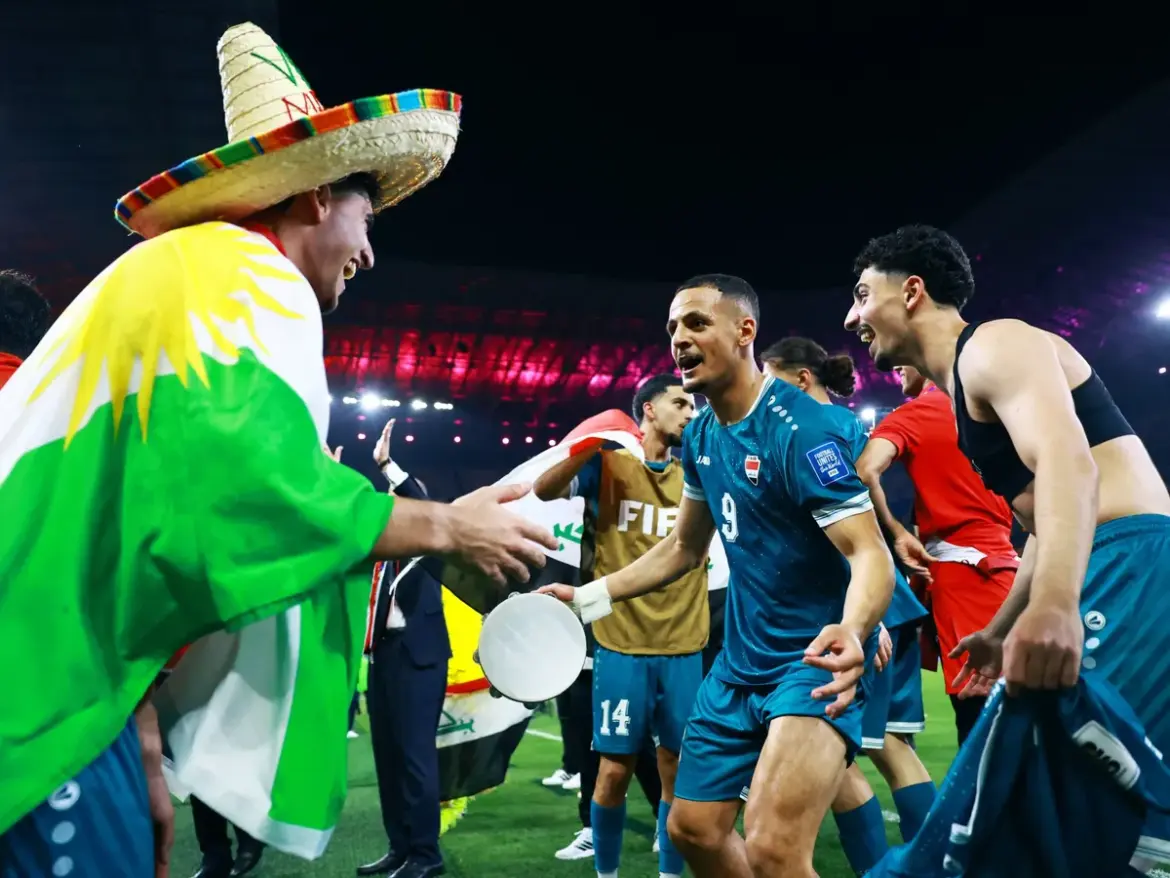
The final score of 2-1 not only secured Iraq’s place in the World Cup but also marked a significant milestone in their football history. With this victory, Iraq became the 48th team to qualify for the tournament, joining an elite group of nations. The win was celebrated by approximately 46 million Iraqis, who took to the streets in jubilation, a moment of pride amidst the ongoing challenges faced in the region.
Graham Arnold, reflecting on the match, praised his players for their tenacity and spirit, stating, “I must congratulate the players who played with real Iraqi mentality, fighting and putting their bodies on the line and that’s why we won the game.” His sentiments echoed the collective relief and joy felt across Iraq, especially given the current geopolitical climate in the Middle East. Arnold also acknowledged Bolivia’s effort, saying, “You’ve got to give full credit to Bolivia, because they played well.” This acknowledgment highlights the sportsmanship that often transcends the competitive nature of such matches.
As Iraq prepares for the World Cup, they will face formidable opponents in Group I, including Norway, France, and Senegal. The journey ahead is fraught with challenges, but the victory against Bolivia has instilled a renewed sense of hope and determination within the Iraqi squad. For many players, this will be an opportunity to showcase their talent on the world stage and to inspire a generation of young footballers in Iraq.
In contrast, Bolivia’s loss signifies a continued struggle for a nation that has not seen World Cup success in decades. The match served as a reminder of the competitive nature of international football, where only a few can claim a spot among the world’s best. As both teams reflect on this encounter, the implications of this match will resonate for years to come, shaping the future of football in both Iraq and Bolivia.
Details remain unconfirmed regarding the broader impacts of this match on the footballing landscape in South America and the Middle East. However, the significance of Iraq’s qualification cannot be understated, as it represents not just a sporting achievement but a moment of unity and pride for a nation that has faced numerous challenges over the years.